
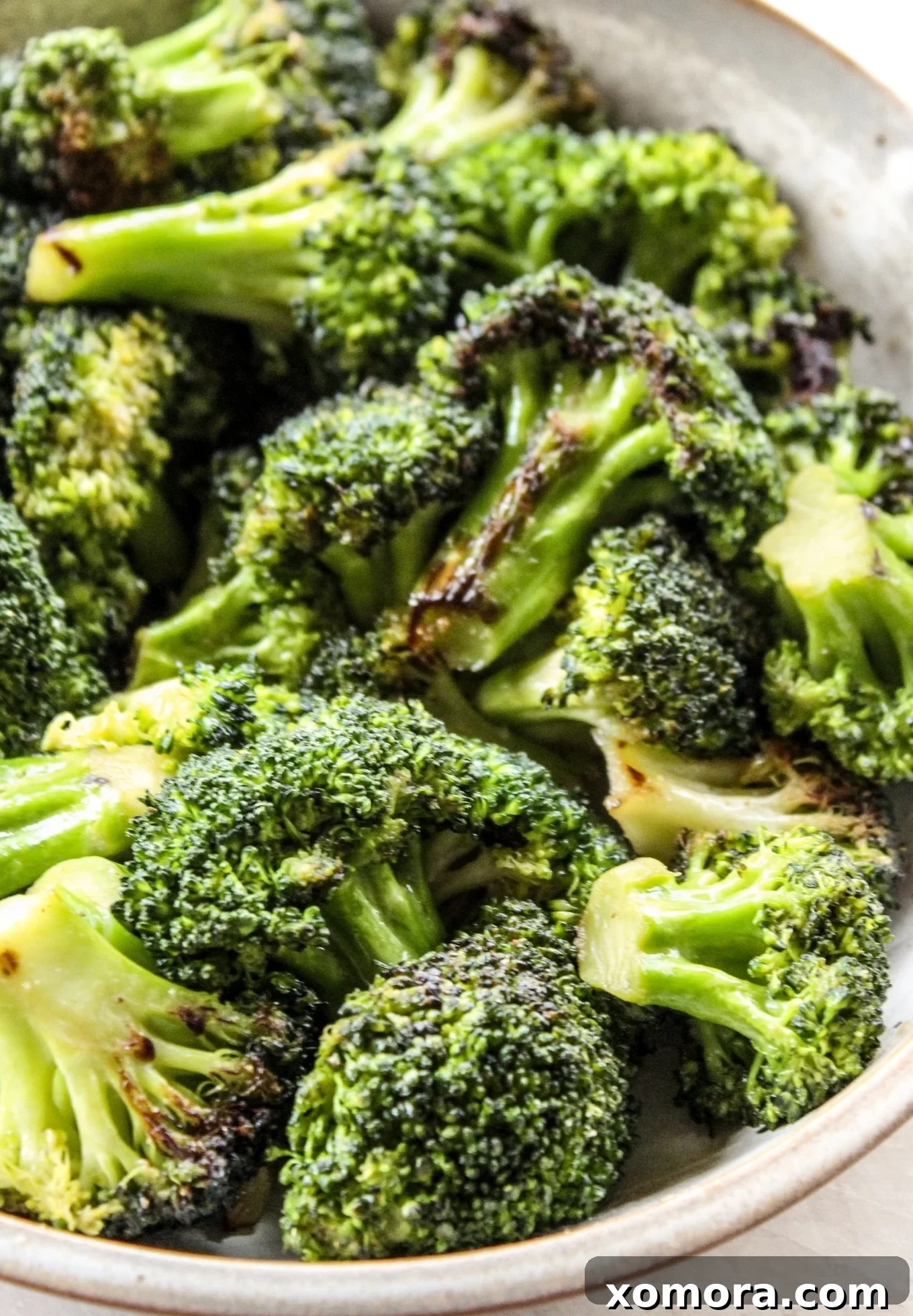
Welcome to your new favorite weeknight side dish! This recipe for Perfectly Sautéed Broccoli delivers tender-crisp florets, kissed with rich olive oil, savory butter, and a bright splash of lemon. It’s an incredibly simple yet profoundly delicious accompaniment that transforms any meal into a more wholesome and satisfying experience. Ready in under 15 minutes, this dish is not just a time-saver but also a nutritional powerhouse, making it a staple in busy kitchens everywhere. Forget bland, overcooked broccoli – prepare to enjoy a vibrant, flavorful vegetable that even the pickiest eaters will adore.
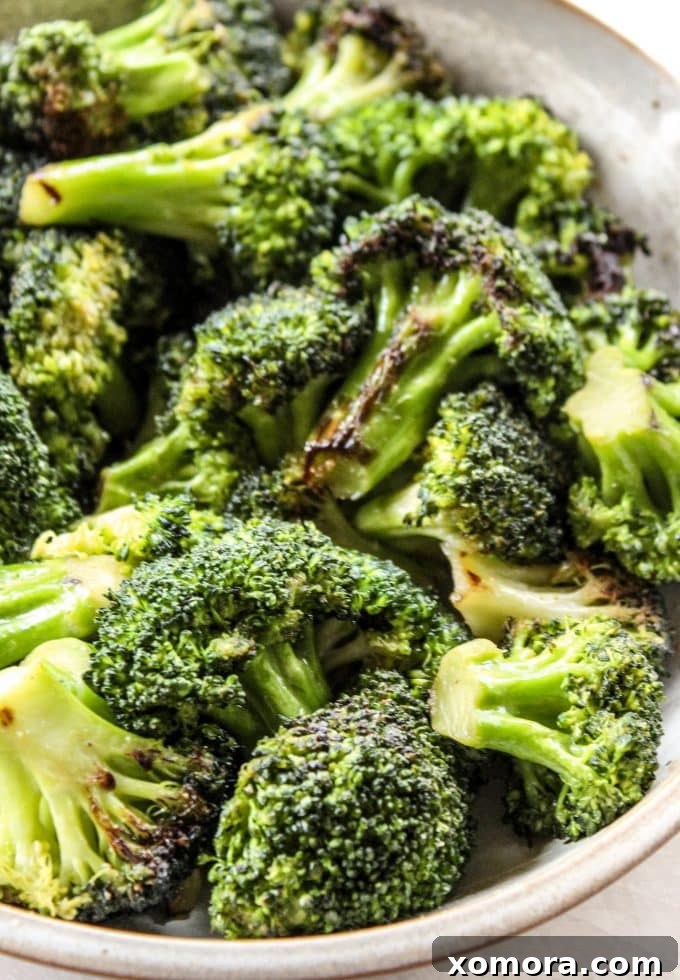
Why Sautéed Broccoli is a Family Favorite and Weeknight Winner
Broccoli holds a special place in many households, including mine. It’s one of those rare vegetables that consistently earns approval from everyone at the dinner table. Even when my kids were just toddlers, they were always excited for their “little trees.” This universal appeal is precisely why it frequently appears in our meal rotation, whether we’re opting for easy roasted broccoli or this lightning-fast sautéed version. Its mild, earthy flavor and satisfying texture make it an ideal choice for healthy eating that doesn’t compromise on taste.
The beauty of sautéed broccoli lies in its incredible versatility and rapid preparation. It’s the ultimate hassle-free side dish, effortlessly complementing almost any main course you can imagine – from grilled chicken and baked fish to pasta dishes, stir-fries, and hearty roasts. Furthermore, it’s a vegetable I almost always have on hand, ensuring a nutritious and tasty addition is never more than a few minutes away. Its robust flavor, vibrant color, and ease of preparation make it a go-to for healthy eating, proving that wholesome food can also be incredibly convenient and delicious.
Beyond its culinary appeal, broccoli is a nutritional powerhouse. Packed with vitamins C and K, fiber, and antioxidants, it contributes significantly to a balanced diet. Incorporating sautéed broccoli into your meals is an easy way to boost your daily nutrient intake without spending hours in the kitchen. It’s a smart choice for anyone looking to add more green, healthy vegetables to their diet in a simple and enjoyable way.
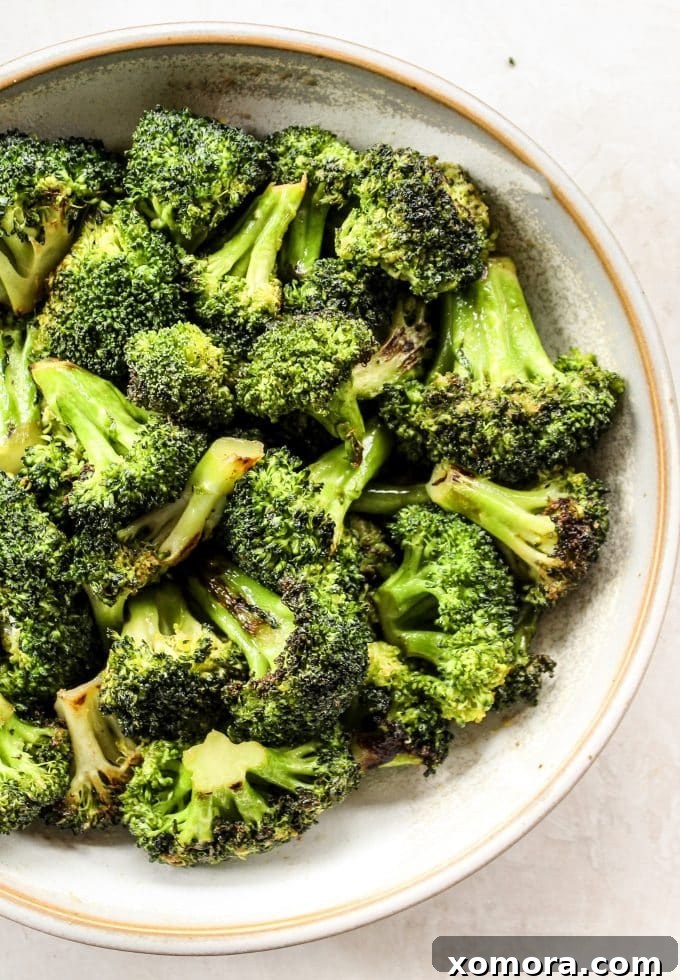
Key Ingredients for Flavorful Sautéed Broccoli
One of the best aspects of this sautéed broccoli recipe is its reliance on simple, wholesome ingredients you likely already have in your pantry. A few high-quality components are all it takes to elevate fresh broccoli into an irresistible side. Here’s a closer look at what you’ll need, along with insights into their role and potential variations:
- Fresh Broccoli: The undisputed star of the show! For the best results, look for vibrant green heads or florets with firm stalks and tightly packed, dark green buds. Avoid any broccoli with yellowing florets, as this indicates it’s past its prime. Aim for about 1 pound, which yields approximately 4 servings.
- Extra Virgin Olive Oil: This healthy fat is essential for the initial sautéing process. It not only helps create that desirable browning and tender-crisp exterior on the broccoli but also imparts a subtle, fruity flavor. You can also use avocado oil for a higher smoke point.
- Butter or Ghee: Adding a touch of butter or ghee in the final stages introduces a luxurious richness and depth of flavor that perfectly complements the fresh broccoli. Ghee, clarified butter, is an excellent option for those who are lactose intolerant or prefer a slightly nuttier, more intense buttery taste.
- Fresh Lemon Juice: A generous squeeze of fresh lemon juice at the end is a game-changer. Its bright acidity cuts through the richness of the butter, awakens all the other flavors, and adds a refreshing zest that completes the dish. Always use fresh lemon juice for the best results; bottled lemon juice often lacks the same vibrant punch.
- Simple Seasonings: We keep it classic and effective with a trio of staples:
- Salt: Essential for enhancing the broccoli’s natural flavors.
- Garlic Powder: Provides a gentle, savory garlic note without the risk of fresh garlic burning during high-heat sautéing.
- Ground Ginger: A unique addition that offers a subtle warmth and aromatic complexity, elevating the flavor profile beyond a basic side dish.
Feel free to experiment with other seasonings like a pinch of black pepper, a dash of red pepper flakes for heat, or even a sprinkle of onion powder for added savory depth.
These ingredients work in harmony to create a symphony of flavors and textures, proving that sometimes, the most simple combinations yield the most impressive results.
Step-by-Step Guide to Achieving Tender-Crisp Sautéed Broccoli
Mastering sautéed broccoli is incredibly straightforward, but a few key steps ensure you get that coveted tender-crisp texture every single time. Here’s how to cook broccoli perfectly, ensuring it’s never mushy or undercooked, but rather vibrant, flavorful, and a delight to eat:
- Prepare Your Skillet and Oil: Begin by heating your extra virgin olive oil in a large skillet or frying pan over medium-high heat. It’s crucial to use a pan large enough to allow the broccoli to spread out in a single layer, preventing steaming and promoting proper browning. Wait until the oil is hot and shimmering – this indicates it’s ready to sear.
- Initial Sauté for Browning and Flavor: Add your prepared fresh broccoli florets to the hot skillet, along with the salt, garlic powder, and ground ginger. Spread the broccoli out as much as possible. Sauté, stirring frequently but not constantly, for 3 to 4 minutes. This initial high-heat sauté is vital for developing a beautiful, slightly browned and caramelized exterior on the florets. These caramelized spots are where much of the delicious flavor is locked in. You’re looking for bright green broccoli with some lightly charred edges.
- Gentle Steam for Tenderness: After the initial sauté, reduce the heat to medium-low. Add the butter or ghee to the skillet, allowing it to melt and coat the broccoli. Immediately cover the skillet tightly with a lid. This crucial step creates a steaming environment that gently cooks the broccoli through without making it mushy. Steam for 2 to 4 minutes, depending on your preferred level of tenderness. For that ideal bright green color and a pleasant crunch – ensuring it’s tender but still has a slight bite – aim for 2-3 minutes. Keep an eye on it to prevent overcooking.
- Finish with Fresh Lemon: Once the broccoli reaches your desired tenderness, remove the skillet from the heat. Carefully remove the lid and squeeze the fresh lemon juice generously over the cooked broccoli. The acidity of the lemon elevates all the flavors, adds a refreshing zest, and brightens the entire dish. Give it a final gentle toss to combine all the ingredients and ensure every floret is coated. Serve immediately to enjoy its peak texture and flavor.
Following these steps will ensure your sautéed broccoli is not just cooked, but cooked to perfection – vibrant, tender, flavorful, and an irresistible addition to any meal.
Fresh Broccoli: Heads vs. Pre-Cut Florets – Making the Right Choice
When shopping for broccoli, you’ll typically encounter two main options: whole heads or pre-cut florets in a bag. Both can be excellent choices depending on your priorities, and my preference often shifts based on what looks freshest and my available time at the grocery store. Here’s a detailed look at how to decide:
- Pre-Cut Florets: These offer undeniable convenience, saving you precious time on preparation. They’re perfect for busy weeknights when every minute counts and you want to get dinner on the table as quickly as possible. However, it’s essential to scrutinize the bag carefully. Always check the expiration date, ensure the florets aren’t cut excessively small (which can lead to overcooking and mushiness), and verify that they aren’t showing signs of yellowing, sliminess, or falling apart. Sometimes, pre-cut options might be closer to their peak freshness date due to processing and packaging.
- Whole Heads of Broccoli: Opting for whole heads often means you get the freshest product available. You have complete control over the size and shape of your florets, allowing for greater uniformity in cooking. While they require a few extra minutes for trimming and cutting, the slightly superior freshness, firmer texture, and often lower cost per pound are frequently worth the minimal extra effort. It also allows you to utilize the stem for other culinary purposes, reducing food waste.
When selecting either option, always prioritize vibrant green color, firm stalks, and tight florets. Avoid any broccoli that looks limp, has yellow patches, or feels soft. Ultimately, the best choice is whichever is most appealing and fresh-looking at your local market, aligning with your cooking schedule and budget. Proper selection ensures a superior end result for your sautéed broccoli.
How to Properly Cut Broccoli into Florets for Even Cooking
If you choose to purchase a whole head of fresh broccoli, cutting it into uniform florets is a straightforward process that ensures even cooking and perfect tender-crisp results. You’ll notice a distinct flowering head, which resembles a small tree, and a long, sturdy stem. While the stem is entirely edible and nutritious, we primarily focus on the florets for this sautéed recipe.
Here’s a simple, step-by-step guide to cutting your broccoli efficiently and safely:
- Prepare Your Workspace: Start by placing the head of broccoli on a clean, stable cutting board. Ensure you have a sharp chef’s knife for clean cuts.
- Separate the Main Head: Using your sharp knife, carefully slice the flowering head away from the top of the main, thick stem. Aim to cut just below where the smaller florets branch off from the main stem. You can discard the larger, woody portion of the stem, or, even better, save it for other delicious uses like adding to stir-fries, soups, or even grating it into salads.
- Break Down the Florets: What you have left is a collection of smaller “trees” connected by smaller, thinner stems. Gently pull or slice between these smaller sections to create individual florets. For larger clusters, you might need to make a few more cuts to separate them.
- Ensure Size Uniformity: The key to evenly cooked sautéed broccoli is uniform floret size. Aim for florets that are roughly 1 to 2 inches in size, no bigger than a bite. If some florets are much larger than others, simply cut them in half or quarters to match the size of the smaller pieces. This ensures that all pieces cook through at the same rate, preventing some from being mushy while others are still raw.
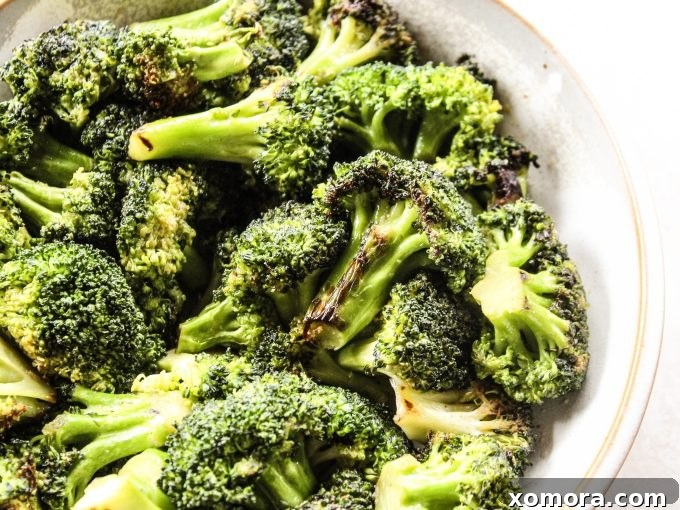
With a little practice, this process becomes quick and effortless, providing you with perfectly sized broccoli for sautéing and countless other recipes.
Using Frozen Broccoli: What You Need to Know for Sautéing
While I am a firm advocate for the convenience and nutritional value of frozen vegetables in many recipes – they are often picked at peak ripeness and flash-frozen – for sautéed broccoli, I strongly recommend using fresh. The reason is primarily textural. Frozen broccoli, due to the freezing process and the formation of ice crystals within its cells, tends to have a higher water content and a softer, more compromised cell structure once thawed. This means it often gets mushy very quickly when sautéed, losing that desirable tender-crisp bite that makes this recipe so delightful and appealing.
If you only have frozen broccoli on hand, and still wish to attempt sautéing it, here are a few tips to maximize your chances, though the results will almost certainly not be identical to using fresh broccoli:
- Thaw Completely and Dry Thoroughly: It’s best to thaw frozen broccoli completely before attempting to sauté. You can do this by placing it in the refrigerator overnight or by running it under cold water. Crucially, once thawed, pat it very, very dry with paper towels to remove as much excess moisture as possible. This step is absolutely essential for preventing a soggy outcome and encouraging any browning.
- Use Higher Heat for Shorter Duration: Sauté the thawed and dried broccoli on a slightly higher heat for a shorter duration than fresh broccoli. The goal is to evaporate any remaining moisture quickly and achieve some charring before the broccoli becomes too soft. However, be cautious not to burn it – stir frequently.
- Consider Other Cooking Methods: Frozen broccoli truly shines when cooked with methods where its softer texture is less of a drawback or can be leveraged. It’s excellent when steamed, roasted (for a different texture, often softer but with some nice charring if adequately dried), or added to soups, stews, and casseroles where its texture integrates well. For stir-fries, add it towards the end of cooking to minimize cooking time.
For the absolute best sautéed broccoli experience with that perfect tender-crisp texture and vibrant flavor, fresh broccoli is undoubtedly the way to go. Save your frozen broccoli for other equally delicious, but texturally different, preparations.
Meal Prep and Storing Sautéed Broccoli for Future Enjoyment
This Sautéed Broccoli is an excellent candidate for meal preppers and anyone looking to streamline their cooking process. You can absolutely prepare it in advance, making your weeknight dinners even quicker and healthier. Here are some detailed tips for making it ahead, storing it, and reheating it effectively:
- Undercook Slightly for Optimal Reheating: If you plan to reheat the broccoli later, I highly recommend undercooking it by about 1-2 minutes during the initial cooking phase. This ensures that when you warm it up, it won’t become overly soft or mushy, retaining some of its desired tender-crisp texture. It should still have a noticeable bite before refrigeration.
- Proper Storage: Once the sautéed broccoli has completely cooled to room temperature (this is important to prevent condensation and bacterial growth), transfer it to an airtight container. It will keep beautifully in the refrigerator for 3-4 days, maintaining good flavor and texture.
- Best Reheating Methods:
- Stovetop (Recommended): This is the best method for reheating as it helps to re-crisp the broccoli slightly. Warm a small amount of olive oil or butter in a skillet over medium heat. Add the refrigerated broccoli and sauté for 2-4 minutes, stirring occasionally, until it is heated through and lightly re-crisped. Add a fresh squeeze of lemon if desired.
- Microwave: If you’re short on time, the microwave can be used, but be aware that the broccoli may become softer. Place the broccoli in a microwave-safe dish and heat in 30-second intervals, stirring in between, until warm. Be very careful not to overcook, which can lead to mushiness.
Preparing this healthy side dish in advance means you’re always just minutes away from a wholesome vegetable portion, even on the busiest of evenings.
Can You Freeze Cooked Sautéed Broccoli?
While you technically *can* freeze cooked sautéed broccoli, it’s important to manage expectations regarding its texture and quality upon thawing. Like many cooked vegetables, it is undeniably best when freshly prepared. The freezing and thawing process can significantly alter the texture of cooked broccoli, making it softer, somewhat watery, and less “tender-crisp” than when it was first made. The vibrant green color might also dull slightly, becoming more muted.
If you do decide to freeze a batch of your sautéed broccoli, perhaps to avoid waste or for very long-term meal planning, here are some tips to help preserve its quality as much as possible:
- Cool Completely: Ensure the broccoli is completely cooled to room temperature before freezing. Freezing warm food can lower the temperature of your freezer and create excess ice crystals.
- Portion and Pack Properly: To make thawing easier and prevent freezer burn, freeze the broccoli in single-serving portions in freezer-safe bags or airtight containers. Press out as much air as possible from bags before sealing. This helps protect against ice crystal formation and maintains flavor.
- Thawing and Reheating Strategy: Thaw frozen cooked broccoli overnight in the refrigerator. When reheating, do so gently on the stovetop to try and evaporate some of the excess moisture and restore a bit of texture. However, be aware that it will likely remain softer than fresh or refrigerated broccoli. Due to this textural change, frozen cooked broccoli is often best used in dishes where its texture isn’t paramount, such as blended soups, purées, casseroles, or incorporated into a frittata or quiche, rather than served as a standalone side dish where crunch is desired.
For optimal enjoyment and that signature tender-crisp quality, aim to consume this delicious sautéed broccoli fresh or within a few days of refrigeration. If freezing is necessary, understand that the texture will be altered, but the flavor will still be enjoyable in the right applications.
Explore More Quick & Healthy Vegetable Sides
If you love how simple and satisfying this Sautéed Broccoli is, you’re in for a treat! Discover more effortless and nutritious vegetable recipes that can easily become part of your regular meal rotation. These dishes are perfect for complementing any main course and bringing fresh, vibrant flavors to your table with minimal fuss:
- Herb Roasted Brussels Sprouts and Broccoli: A fantastic and easy sheet pan combination that minimizes cleanup and maximizes flavor.
- Maple Roasted Veggies: A sweet and savory medley of seasonal vegetables, perfect for fall or as a comforting side any time of year.
- Easy Roasted Broccoli: Another simple, hands-off method for delicious broccoli that results in wonderfully tender and slightly charred florets.
- Garlic Green Beans: A classic and quick side dish, bursting with aromatic garlic flavor and a tender-crisp snap.
- Spicy Roasted Broccoli: For those who enjoy a little kick to their vegetables, this recipe adds a zesty heat that’s utterly addictive.
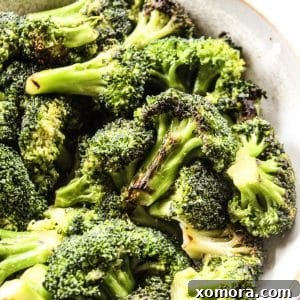
Sautéed Broccoli
Christina
5
7
12
4 servings
Pin Recipe
Ingredients
- 1 1/2 tbsp extra-virgin olive oil
- 1 lb fresh broccoli florets
- 1/2 tsp salt
- 1/2 tsp garlic powder
- 1/4 tsp ground ginger
- 2 tbsp butter or ghee
- 1/2 tbsp fresh lemon juice
Instructions
-
Add olive oil to a large skillet or frying pan over medium-high heat. Once the oil is hot and shimmering, add the fresh broccoli florets, salt, garlic powder, and ground ginger. Sauté, stirring frequently, for 3 to 4 minutes, or until the broccoli starts to develop a slight browning and char in places. This creates a wonderful depth of flavor.
-
Reduce the heat to medium-low. Add the butter or ghee to the skillet. Cover the skillet tightly with a lid and allow the broccoli to steam for 2 to 4 minutes. This steaming process will further tenderize the broccoli. For a bright green color and a pleasant crunch, aim for 2-3 minutes of steaming.
-
Once the broccoli reaches your desired tenderness, remove it from the heat. Squeeze the fresh lemon juice over the broccoli and give it a final toss to combine. Serve immediately as a delicious and healthy side dish.
Nutrition Information
Approximate nutritional values per serving:
- Calories: 153 kcal
- Carbohydrates: 8g
- Protein: 3g
- Fat: 13g
- Saturated Fat: 5g
- Cholesterol: 19mg
- Sodium: 329mg
- Potassium: 367mg
- Fiber: 3g
- Sugar: 2g
- Vitamin A: 707 IU
- Vitamin C: 102mg
- Calcium: 54mg
- Iron: 1mg
Nutrition information is automatically calculated and should be used as an approximation.
Loved this recipe? Leave a comment below and share your thoughts!