
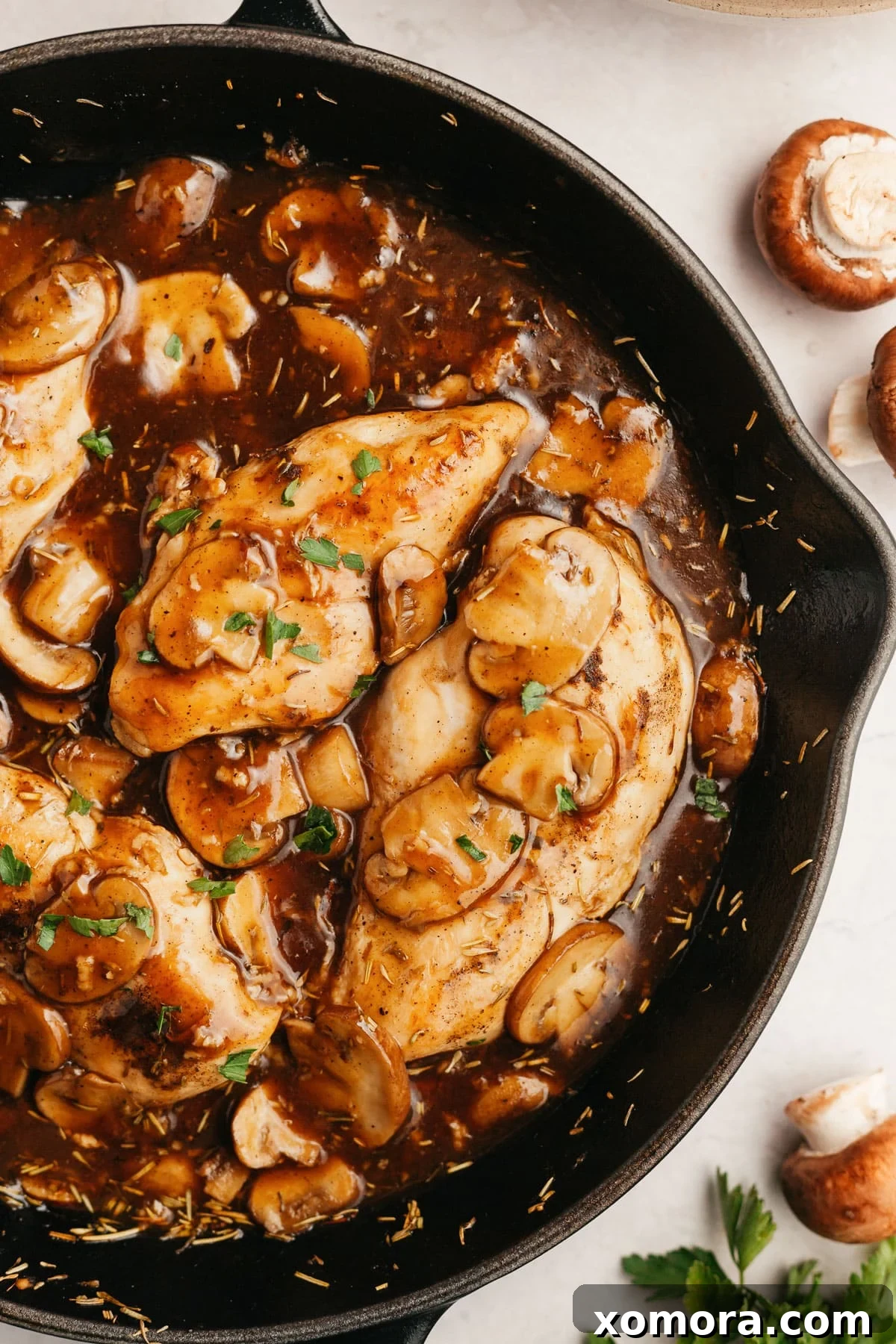
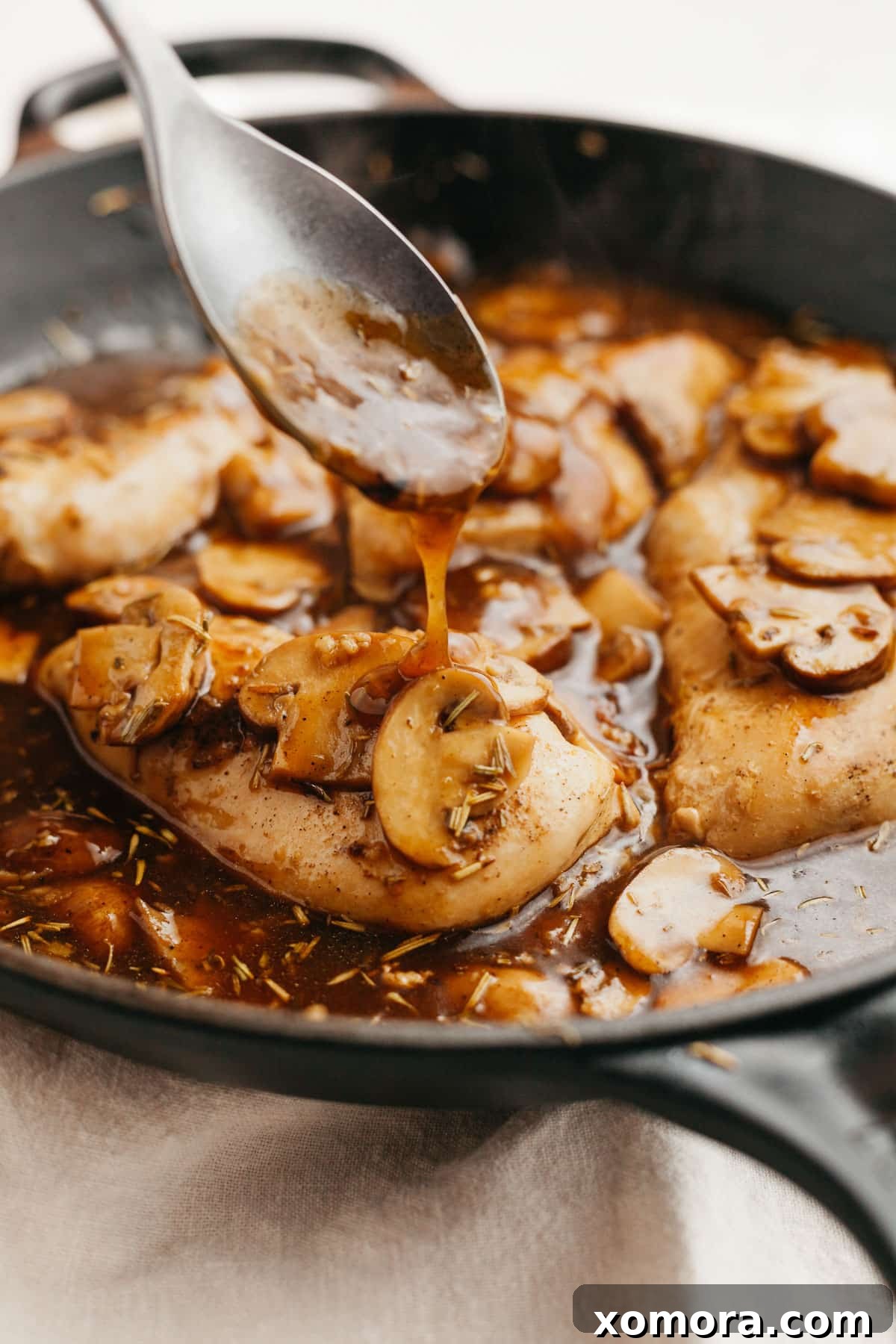
If you love the rich, savory taste of classic Italian cuisine but are looking for a healthier alternative, this **Healthy Chicken Marsala** recipe is for you! Prepare to delight in tender, seasoned chicken breasts bathed in an incredibly flavorful, deeply satisfying mushroom sauce. This dish offers all the complex flavors you adore in a traditional Marsala without the heavy ingredients, making it a perfect weeknight meal that’s both indulgent and wholesome. It’s wonderfully versatile and pairs beautifully with a range of sides, including creamy noodles, fluffy mashed potatoes, crispy roasted potatoes, vibrant roasted broccoli, nutritious cauliflower rice, or classic steamed rice.
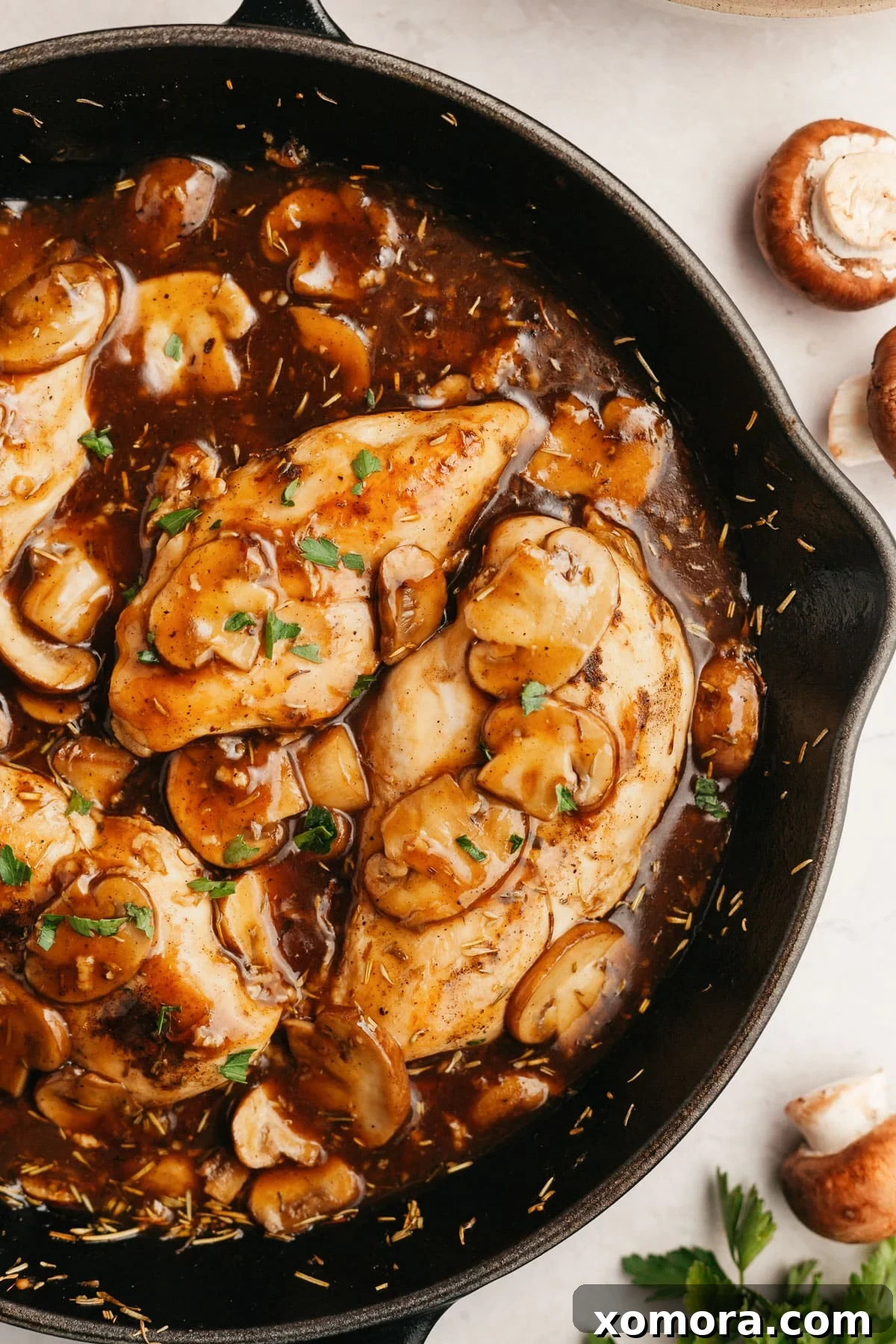
Chicken Marsala has long been a cherished classic, a staple order in Italian restaurants, thanks to its signature rich, brown, umami-packed sauce and the earthy notes of sautéed mushrooms. The deep, wine-infused gravy perfectly complements the succulent chicken, creating a truly memorable dining experience. My own passion for this dish led me on a journey to create a version that captures all its beloved qualities while aligning with a healthier lifestyle. This quest began four years ago as I developed recipes for my cookbook, Clean Paleo One-Pot Meals. While that initial version included a side dish cooked in the same pan, I’ve always wanted to share a standalone recipe for this Healthy Chicken Marsala, allowing the spotlight to shine purely on the magnificent chicken and its luscious sauce. Today, that vision comes to life!
This recipe is designed for both flavor and convenience. It’s incredibly quick to prepare, making it an ideal choice for busy evenings when you crave something special without spending hours in the kitchen. A key health-conscious modification in this recipe is the absence of white flour, both for coating the chicken and for thickening the sauce. Instead, we use wholesome alternatives and rely on healthy fats like olive or avocado oil for sautéing. The gravy achieves its beautiful, silky consistency thanks to arrowroot flour, a natural and less processed thickener that contributes to the dish’s overall lighter profile. The result is a Chicken Marsala that’s bursting with the complex, nuanced flavors you expect from a gourmet meal, yet remains surprisingly wholesome and guilt-free. I am absolutely thrilled to finally share this finished dish with you here on the blog, confident it will become a new favorite in your culinary repertoire!
Essential Ingredients for Your Healthy Chicken Marsala
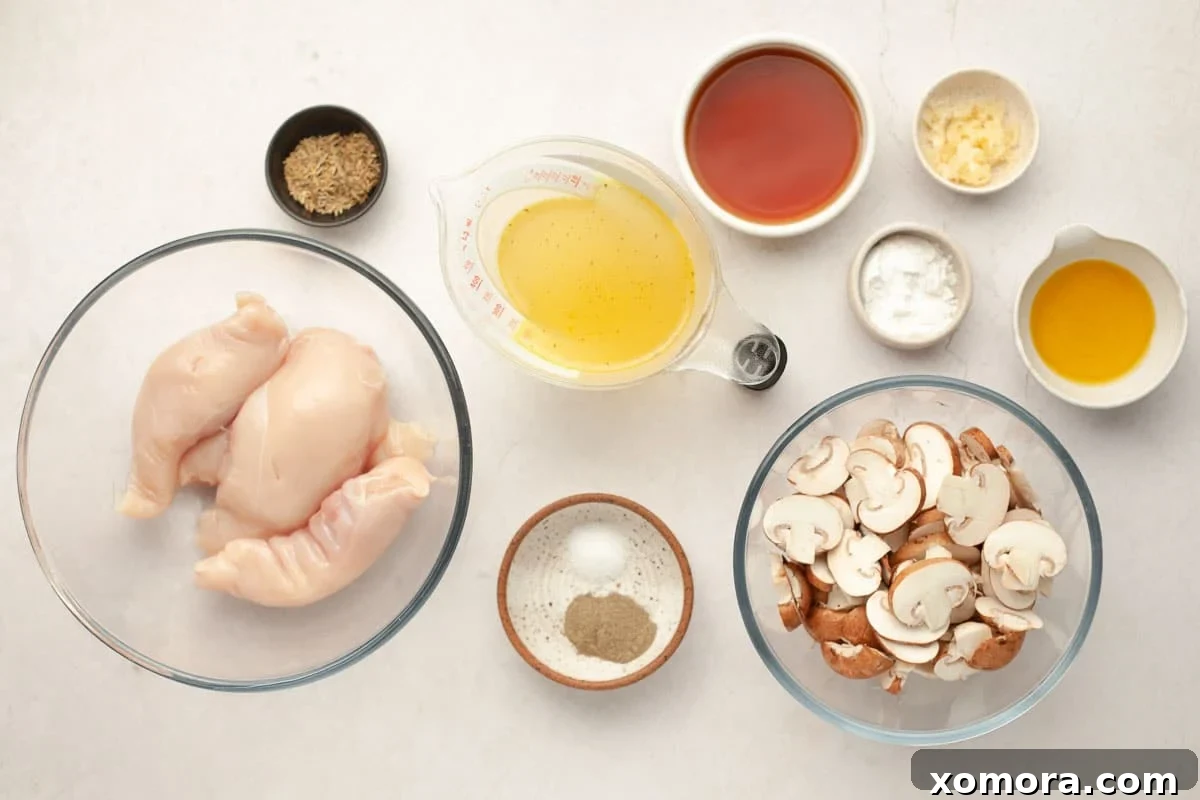
Crafting this mouthwatering dish requires a selection of fresh and pantry staples that contribute to its distinctive flavor and healthier profile. While the full, detailed list of ingredients and step-by-step instructions can be found in the comprehensive recipe card below, here’s a quick overview of the main components you’ll need to gather:
- Chicken Breasts: Boneless, skinless chicken breasts are sliced thin to cook quickly and absorb the rich flavors.
- Healthy Oils: Olive oil or avocado oil for sautéing the chicken and mushrooms.
- Fresh Mushrooms: Sliced mushrooms, such as baby portobello (cremini), are essential for that classic Marsala earthiness.
- Aromatics: Fresh garlic, minced for depth of flavor.
- Rich Liquids: Quality chicken stock forms the base of our luscious sauce.
- Flavor Enhancer: Marsala wine for authenticity or coconut aminos for a wine-free, Whole30-friendly option.
- Natural Thickener: Arrowroot flour to create a perfectly thickened, smooth gravy without traditional refined flours.
- Classic Seasonings: Salt, black pepper, dried thyme, and dried rosemary to elevate the overall taste.
Each of these ingredients plays a crucial role in creating a balanced, flavorful, and healthier version of this beloved Italian classic. Opting for fresh, high-quality ingredients will truly make a difference in the final taste of your Healthy Chicken Marsala.
Coconut Aminos vs. Marsala Wine: Choosing Your Flavor Profile
The choice between Marsala wine and coconut aminos is a pivotal one that influences the final flavor and dietary compliance of your chicken Marsala. Both options deliver fantastic results, allowing you to tailor the dish to your preference and dietary needs.
If you’re aiming for the most authentic and classic chicken Marsala experience, and you happen to have Marsala wine on hand, I wholeheartedly recommend using it. Its distinctive nutty, slightly sweet, and caramelized notes are what truly define the traditional flavor profile of the dish. For those who may not want to purchase a full bottle of Marsala wine for just a small amount, many grocery stores offer smaller “cooking wine” bottles (often found near oils and vinegars) that include red wine or Marsala options. These are a convenient and cost-effective choice for culinary use.
However, if you don’t have Marsala wine, prefer not to cook with alcohol, or are following a specific dietary regimen like Whole30, coconut aminos is an excellent substitute. I’ve extensively tested this recipe with coconut aminos, and I can confirm it imparts a wonderful, subtle sweetness and depth that perfectly complements the other ingredients. Its flavor profile is reminiscent of a slightly sweet soy sauce, yet it’s entirely wine-free and suitable for various dietary restrictions. Since coconut aminos is a regular fixture in my fridge, it’s often my personal go-to option for its convenience and fantastic results. It offers a unique umami richness that makes this healthy version truly stand out.
What Exactly is Coconut Aminos?
Coconut aminos has gained significant popularity in health-conscious kitchens as a versatile and beneficial alternative to traditional soy sauce. But what exactly is it? Essentially, coconut aminos is a savory seasoning sauce made from the fermented sap of coconut palm. Despite its origin, rest assured, it does not taste like coconut! Its flavor profile is often described as a milder, slightly sweeter version of soy sauce, offering a delightful umami punch to dishes without the overwhelming saltiness or common allergens found in soy.
It’s important to note that coconut aminos is distinct from “Liquid Aminos.” While both are soy sauce alternatives, Liquid Aminos is typically derived from soybeans (though often gluten-free), whereas coconut aminos comes from coconut sap, making it a different product altogether.
The appeal of coconut aminos extends beyond its taste and allergen-friendly nature. It boasts an impressive nutritional profile, making it a favorite for various dietary lifestyles. It is naturally **gluten-free**, **vegan**, **Paleo**, **Whole30-compliant**, and **low-glycemic**. Furthermore, it contains a wide array of minerals, including vitamin C, and is rich in 17 amino acids, which are the building blocks of protein. One of its most significant advantages is its considerably lower sodium content compared to soy sauce, often containing 65% to 75% less sodium, depending on the brand you choose. This makes it an excellent option for those monitoring their sodium intake without compromising on flavor.
To delve deeper into this remarkable ingredient and discover more about its uses and benefits in healthy cooking, you can explore comprehensive guides like this article on The Whole Cook.
What is Arrowroot Flour and Why Use It?
Arrowroot flour, sometimes called arrowroot powder or starch, is an exceptional ingredient derived from the rhizomes of the arrowroot plant. It serves as a superior thickening agent in various culinary applications, offering a fantastic and often preferred substitute for common thickeners like cornstarch or regular white flour. Its benefits are numerous, especially for those seeking cleaner, less processed ingredients in their cooking.
One of arrowroot flour’s primary advantages is its natural and minimal processing, making it a healthier choice. It is also completely flavorless, meaning it will thicken your sauces and gravies without imparting any unwanted taste, allowing the true flavors of your dish to shine through. Unlike some other thickeners, arrowroot blends seamlessly into liquids, creating a smooth, glossy, and lump-free consistency.
However, using arrowroot flour correctly is key to harnessing its full thickening power. It differs slightly from other starches in its application. For best results, it should never be added directly to hot liquid, as this can cause it to clump. Instead, I (and many recipes) recommend creating a “slurry” by shaking or whisking equal parts arrowroot flour with cool water until thoroughly combined. This slurry is then stirred into your warm sauce or gravy, typically towards the end of the cooking process. A crucial tip: avoid prolonged heating once arrowroot has been added, as excessive heat can cause it to lose its thickening ability and break down, resulting in a thin sauce. You’ll notice the sauce thickening almost immediately upon addition, making it a quick and efficient way to achieve the perfect consistency.
Can You Use White Flour Instead of Arrowroot Flour to Thicken the Sauce?
While arrowroot flour is my preferred choice for its clean properties and thickening efficiency, you can certainly use all-purpose white flour as an alternative if that’s what you have on hand. The method for incorporating it is similar but requires a slight adjustment in cooking technique.
To use all-purpose flour, you will also need to create a slurry. Combine equal parts all-purpose flour with cold water in a small jar or bowl and shake or whisk until smooth and lump-free. Once your sauce has reached a simmer, gradually stir this flour slurry into the sauce. The main difference lies in the cooking time: all-purpose flour needs to cook for a few minutes to fully thicken and for its raw flour taste to dissipate. So, after adding the slurry, continue to cook the sauce over medium heat, stirring frequently, until it thickens to your desired consistency and any raw flour taste is gone. This usually takes about 5-7 minutes. Please remember this distinction: arrowroot flour thickens instantly and should be added off the heat or at the very end of cooking, whereas all-purpose flour requires a short simmering period to achieve its full thickening potential and best flavor.
How to Store Leftovers
This Healthy Chicken Marsala makes for fantastic leftovers, perfect for quick lunches or another delicious dinner. To store, allow the dish to cool completely to room temperature. Transfer the chicken and its rich mushroom sauce into an airtight container. It can then be safely stored in the refrigerator for up to 3 days. When reheating, gently warm on the stovetop over medium-low heat or in the microwave until heated through, adding a splash of chicken stock or water if the sauce appears too thick.
How to Serve This Deliciousness
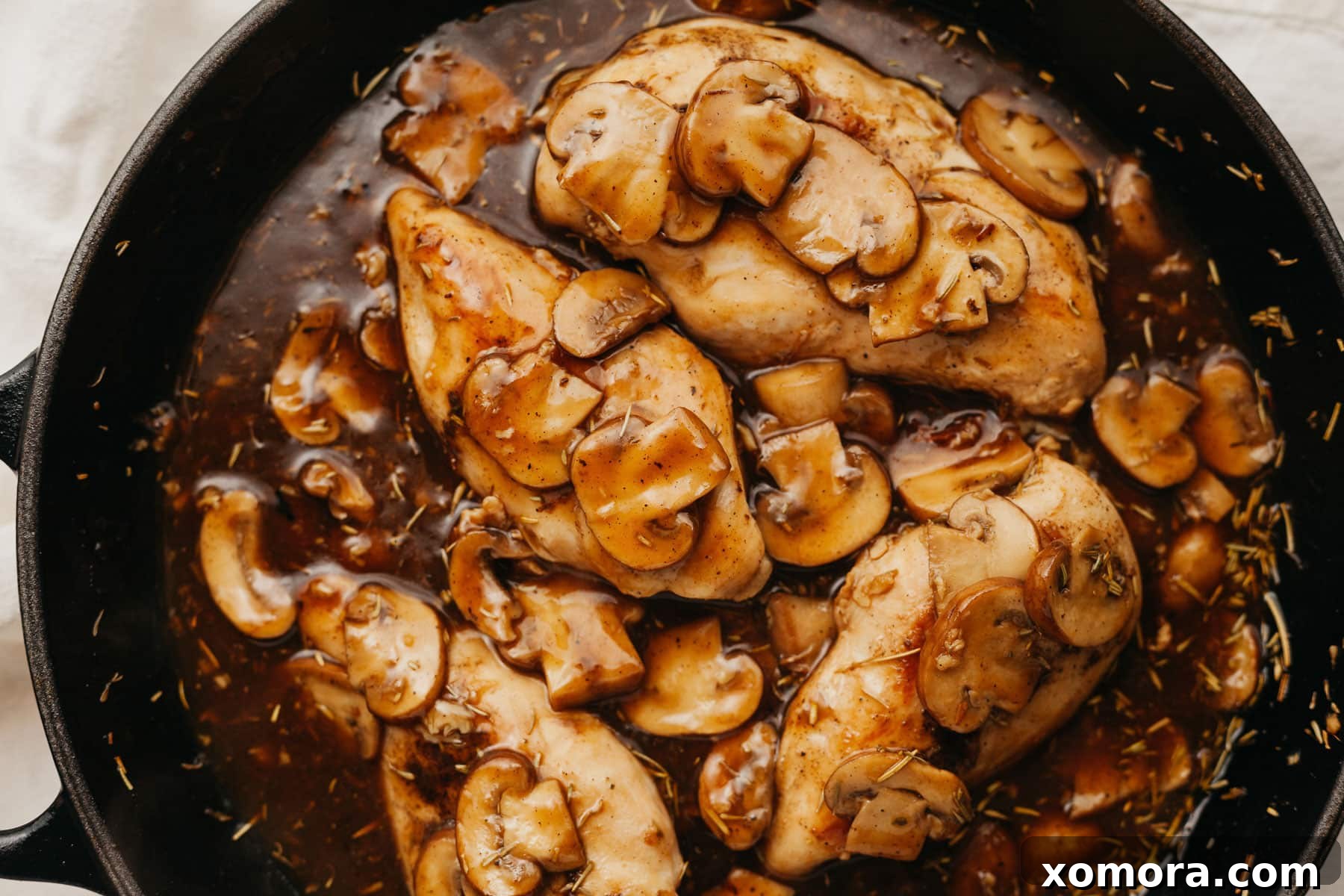
The beauty of this Healthy Chicken Marsala lies not only in its exquisite flavor but also in its versatility when it comes to serving. The star of the show is undoubtedly the rich, savory mushroom sauce, and you’ll want to ensure every last drop is enjoyed! To best savor this deliciousness, I highly recommend serving it over a foundation that can readily absorb and complement the exquisite gravy. Consider these delightful options:
- Noodles: Classic egg noodles or any pasta shape like fettuccine or penne are perfect for soaking up the sauce. For a healthier twist, consider whole wheat or gluten-free pasta.
- Mashed Potatoes: Creamy, fluffy mashed potatoes (or even mashed cauliflower for a low-carb alternative) provide a comforting bed for the chicken and a wonderful counterpoint to the savory sauce.
- Roasted Potatoes: Crispy roasted potatoes offer a delightful textural contrast and robust flavor that stands up well to the richness of the Marsala.
- Roasted Broccoli: For a vibrant and nutritious side, roasted broccoli adds a touch of freshness and a slight bitterness that beautifully cuts through the richness of the sauce.
- Cauliflower Rice: An excellent low-carb, grain-free option, cauliflower rice is light, absorbs the sauce wonderfully, and keeps the meal remarkably healthy.
- Traditional Rice: Simple steamed white or brown rice is always a reliable choice, acting as a neutral canvas to let the chicken Marsala shine.
Don’t hesitate to add a sprinkle of fresh parsley or chives before serving for an extra pop of color and herbaceous freshness. A simple green salad with a light vinaigrette would also be a fantastic complement, offering a refreshing balance to the meal.
More Savory & Healthy Recipes You’ll Love:
If you’re a fan of rich, comforting flavors and healthy cooking, be sure to explore these other delicious recipes from our collection:
Creamy Herb Mushroom Chicken – Another fantastic chicken and mushroom pairing, bursting with aromatic herbs.
Chicken in Mushroom Gravy – A simple yet deeply satisfying dish featuring tender chicken in a luscious gravy.
Savory Skillet Chicken and Veggies – An easy, one-pan meal packed with flavor and nutritious vegetables.
Salisbury Steak in Mushroom Gravy – A classic comfort food reimagined with a homemade, savory mushroom gravy.
Healthy Chicken Marsala
Christina
If you love saucy chicken, you’ll be a big fan of this Healthy Chicken Marsala! Tender, seasoned chicken breasts simmer in a rich, savory mushroom sauce, offering a lighter take on a classic. Serve this versatile dish over noodles, mashed potatoes, roasted potatoes, roasted broccoli, cauliflower rice, or traditional rice for a complete and satisfying meal.
10 mins
20 mins
30 mins
4 servings
Ingredients
- 1 pound chicken breasts, boneless and skinless
- 2 tablespoons olive or avocado oil
- ½ teaspoon salt
- ½ teaspoon black pepper
- 8 ounces sliced mushrooms, I like sliced baby portobello mushrooms.
- 1 tablespoon garlic, minced
- 1 cup chicken stock
- ⅓ cup marsala wine or coconut aminos
- 1 teaspoon dried thyme
- 1 teaspoon dried rosemary
- 1 tablespoon arrowroot flour
- 1 tablespoon cold water
Instructions
-
Slice the chicken breasts horizontally. If you’re starting with two regular-sized chicken breasts, this will typically give you four thinner cutlets, which cook more evenly and quickly.
-
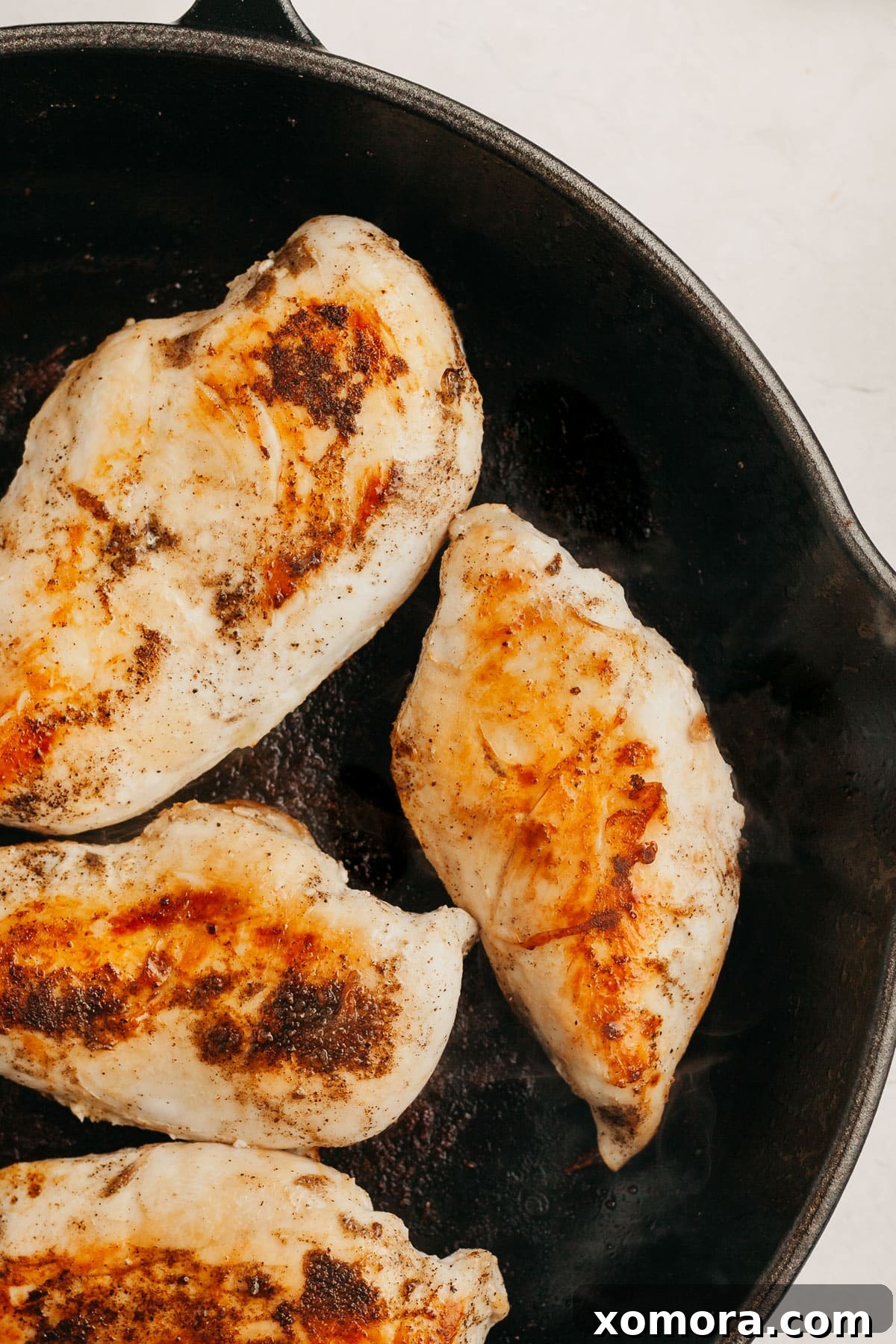
Add 1 tablespoon of olive or avocado oil to a large skillet. Heat the skillet over medium-high heat. Once the oil is hot and shimmering, carefully add the chicken cutlets to the pan. Season the top of the cutlets generously with half of the salt and black pepper. Sauté until each side develops a beautiful golden-brown sear and the chicken is mostly cooked through. This usually takes about 3 minutes per side. Once browned, remove the chicken from the pan and set it aside on a plate.
-
Add the remaining tablespoon of oil to the same skillet. Add the sliced mushrooms to the hot pan. Sauté the mushrooms, stirring occasionally, for 3 to 5 minutes, or until they have softened and released most of their moisture. Next, add the minced garlic to the skillet. Continue to sauté for about one minute, just until the garlic becomes fragrant and lightly golden, being careful not to burn it.
-
Reduce the heat to medium. Pour in the chicken stock, followed by the Marsala wine (or coconut aminos if using). Stir well to combine all the liquids and seasonings. Add the dried thyme and dried rosemary to the sauce, stirring them in thoroughly. Return the browned chicken cutlets to the skillet, nestling them into the sauce. Spoon some of the sauce over the chicken to ensure it’s well coated. Simmer the dish, uncovered, for 3 to 4 minutes, or until the sauce is heated through and the chicken is fully cooked. Taste the sauce and add additional salt and pepper if desired. (Note: If using coconut aminos, you may find the sauce is already salty enough due to the aminos’ natural sodium content; adjust to your preference.)
-
To thicken the sauce to perfection, turn off the heat. In a small, separate container with a tight-fitting lid (like a small jar or a shaker cup), combine the arrowroot flour and cold water. Shake vigorously until a smooth slurry is formed and there are no lumps. Immediately pour this arrowroot slurry into your warm gravy in the skillet and stir continuously for about 30 seconds to ensure it’s thoroughly mixed in. You will observe the sauce beginning to thicken almost immediately to a beautiful, glossy consistency. Serve the Healthy Chicken Marsala and its luscious sauce generously over your chosen side dish, such as pasta, mashed potatoes, or rice.
Notes
Nutrition information provided below is calculated assuming the use of Marsala wine. If you opt to use coconut aminos as a substitute, the calories per serving will decrease by approximately 12 calories, making it an even lighter option.
Nutrition
Serving: 1 cutlet + sauce
- Calories: 269 kcal
- Carbohydrates: 9 g
- Protein: 28 g
- Fat: 11 g
- Saturated Fat: 2 g
- Polyunsaturated Fat: 1 g
- Monounsaturated Fat: 6 g
- Trans Fat: 1 g
- Cholesterol: 74 mg
- Sodium: 513 mg
- Potassium: 695 mg
- Fiber: 1 g
- Sugar: 4 g
- Vitamin A: 48 IU
- Vitamin C: 3 mg
- Calcium: 22 mg
- Iron: 1 mg
Nutrition information is automatically calculated and should only be used as an approximation. Actual values may vary based on specific ingredient brands and preparation methods.
Enjoyed this recipe? Share your thoughts below!
Your feedback helps us create more delicious content. We’d love to hear from you!