
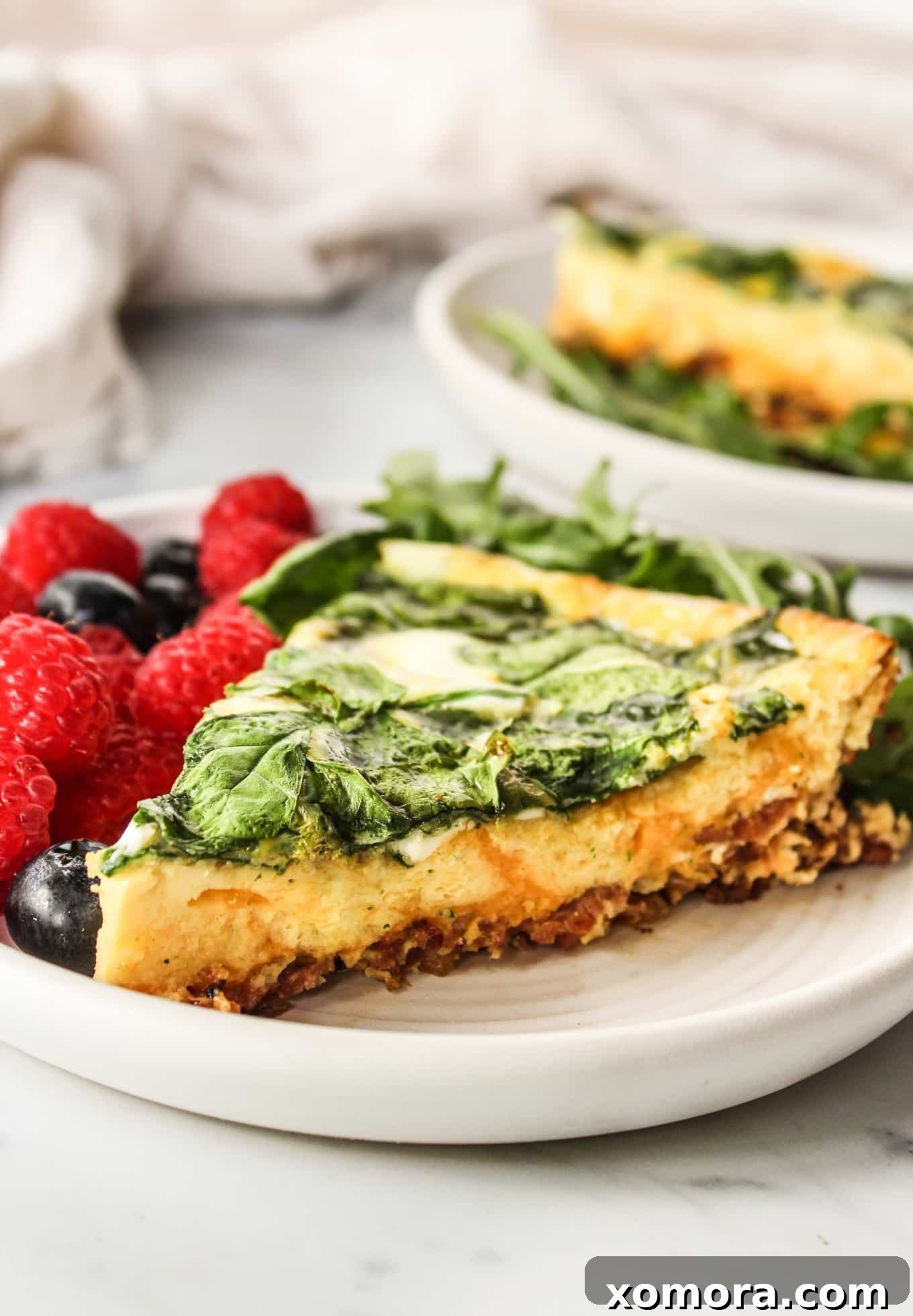
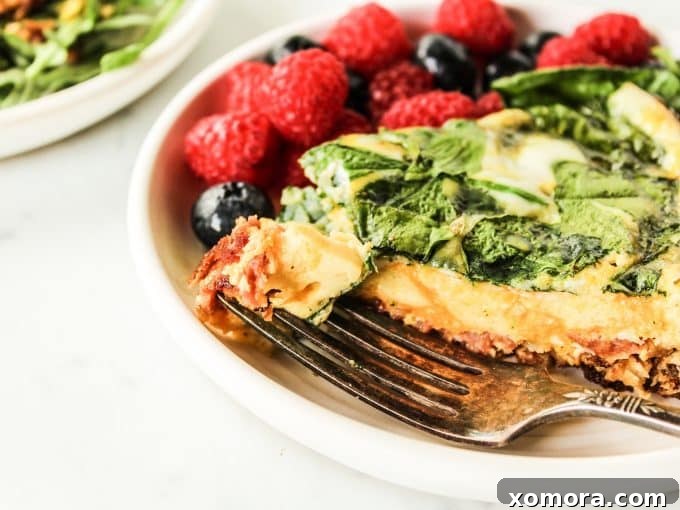
Welcome to the ultimate guide for crafting a delightful Bacon Spinach Frittata! This incredibly fluffy frittata is a symphony of rich flavors, featuring crispy bacon, sharp cheddar, and nutty Parmesan cheese. It promises to look and taste impressive, yet it’s surprisingly simple to prepare, making it a perfect dish for any occasion. Whether you’re hosting a sophisticated brunch, seeking a convenient meal prep option for busy weekdays, or simply want to enjoy a comforting breakfast with your family on a relaxed weekend morning, this recipe delivers on all fronts. Get ready to elevate your breakfast and brunch game with minimal effort and maximum satisfaction.
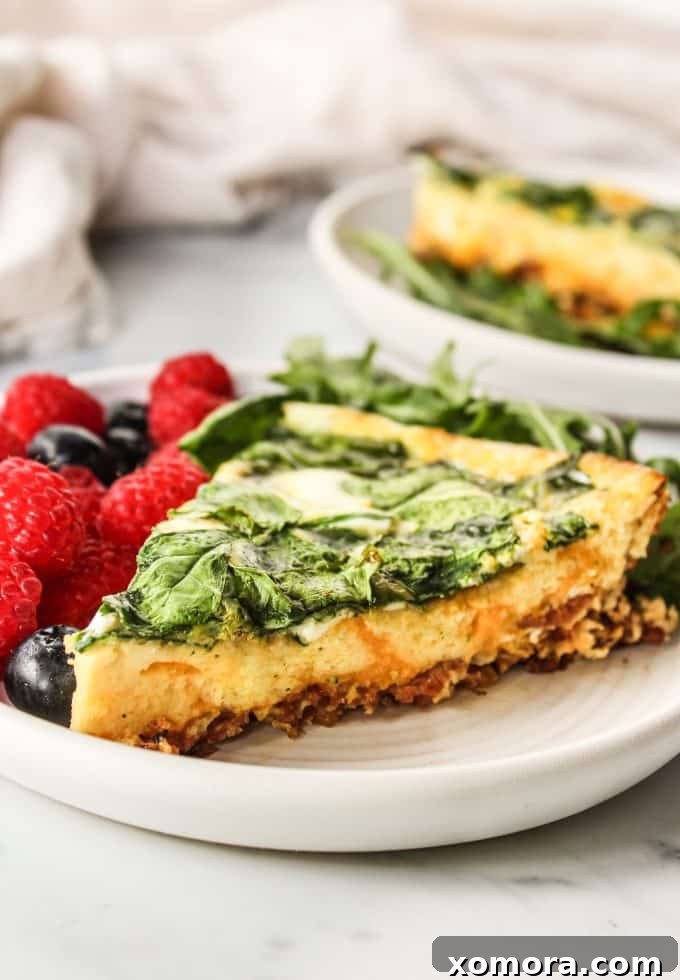
This week, we’re celebrating our enduring love for frittatas with a brand new recipe that’s sure to become a staple: the Bacon Spinach Frittata. Frittatas have long been a go-to for entertaining guests, and for excellent reasons! Their elegant appearance makes them a beautiful centerpiece, and they pair wonderfully with a light salad or a fresh fruit platter, making them ideal for brunches, baby showers, or any gathering where you want to impress without the stress.
But let’s not overlook the everyday versatility of this remarkable dish. Despite its impressive facade, a frittata is truly simple to prepare. This means you don’t need a special occasion to enjoy it! Whip one up for a wholesome family breakfast, or prepare it in advance for a week’s worth of quick and easy meals. The beauty of a frittata lies in its adaptability and the sheer ease with which you can bring a gourmet touch to your table, even on a Tuesday morning.
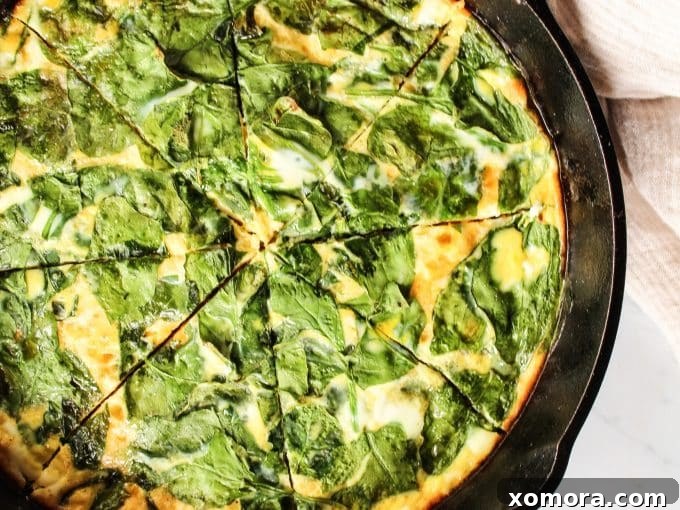
One of the secrets to my perfect frittata is cooking it in a trusty cast iron skillet. This not only ensures even heat distribution and a beautiful crust but also significantly reduces the number of dishes you’ll have to wash. I can seamlessly sauté the bacon and onion, then pour in the egg mixture and transfer the entire skillet directly to the oven. Fewer dishes mean more time to savor your meal or enjoy your day – and who can argue with that?
That’s the inherent advantage of cast iron cookware, isn’t it? Its robust construction allows it to transition effortlessly from stovetop to oven, making it an indispensable tool in any kitchen. You don’t need a top-of-the-line, expensive brand to get fantastic results either. Tried-and-true brands like Lodge are widely available and perform exceptionally well, offering superb value and durability. While many other excellent cast iron brands exist, Lodge often comes to mind when thinking about accessible and high-quality options that will serve you for years to come. Investing in a good cast iron skillet is investing in countless delicious meals and simplified cooking experiences.
Essential Ingredients for Your Bacon Spinach Frittata
Crafting this flavorful frittata requires a selection of fresh, high-quality ingredients that come together harmoniously. Below is a concise list of what you’ll need. For detailed measurements and step-by-step instructions, please refer to the complete recipe section further down.
- Bacon: The star of the show, providing savory depth and a delightful crispy texture. Opt for thick-cut bacon for more substance, or leaner turkey bacon with a touch of oil.
- Onion: Adds a foundational aromatic layer, sweetening as it caramelizes with the bacon. White or yellow onions work perfectly.
- Minced Garlic: An aromatic essential that elevates the savory profile. Freshly minced garlic offers the best flavor, but jarred can be used in a pinch.
- Fresh Spinach: Contributes a touch of earthy freshness and vibrant color. Be sure to pack it well for the stated quantity, as it cooks down significantly.
- Cheddar Cheese: Offers a sharp, classic flavor and melts beautifully into the eggs, creating a creamy texture.
- Parmesan Cheese: Adds a salty, umami kick and a lovely golden finish when baked. Freshly grated is always superior to pre-grated.
- Large Eggs: The base of our fluffy frittata. Using fresh, high-quality eggs will yield the best texture and flavor.
- Milk of Your Choice: Helps achieve that coveted fluffy texture and richness. Any dairy milk (whole, 2%, skim) or non-dairy milk (like unsweetened almond or oat milk) works equally well.
- Seasonings: A balanced blend of salt, black pepper, ground mustard, and a hint of cayenne pepper to add warmth and complexity without being overly spicy. These spices truly enhance the overall taste.
Step-by-Step Guide to a Perfect Frittata
Making this frittata is incredibly straightforward, even for novice cooks. Follow these detailed steps to ensure a delicious and perfectly cooked result every time:
- Preheat Your Oven: Begin by preheating your oven to 425°F (220°C). This ensures the oven is at the correct temperature when the frittata goes in, promoting even baking and a beautiful golden crust.
- Sauté Bacon and Onion: Place your cast iron skillet over medium to medium-high heat on your stovetop. Add the diced bacon and onion. Using a spatula, stir frequently as they cook. Continue to sauté until the bacon is perfectly cooked through and deliciously crispy, and the onion pieces are tender and translucent. If using turkey bacon, add a teaspoon of olive oil to the pan to help it crisp up.
- Infuse with Garlic: Once the bacon and onion are ready, add the minced garlic to the skillet. Continue to sauté for just about one minute, stirring constantly, until the garlic becomes wonderfully fragrant and lightly golden in color. Be very careful not to let the garlic burn, as burnt garlic can taste bitter.
- Whisk the Egg Mixture: While the bacon and onion mixture is cooking, prepare your egg base. In a separate, large bowl, combine the eight large eggs, 1/2 cup of milk (of your choice), 1/2 tsp salt, 1/4 tsp ground mustard, 1/4 tsp cayenne pepper, and 1/4 tsp black pepper. Vigorously whisk all these ingredients together until they are well combined, smooth, and slightly frothy. This aeration is crucial for achieving a fluffy frittata.
- Assemble in the Skillet: Turn off the stovetop heat under your cast iron skillet. Evenly spread the cooked bacon, onion, and garlic mixture across the bottom of the skillet, ensuring it forms a single layer. Next, generously layer the shredded cheddar cheese, grated Parmesan cheese, and fresh spinach over the bacon mixture.
- Pour and Bake: Gently pour the whisked egg mixture over all the ingredients in the skillet, ensuring it’s distributed evenly. Carefully transfer the skillet to your preheated oven. Bake for approximately 16 to 20 minutes. The frittata is done when the center is just set – it should have a slight jiggle, but no liquid eggs should be visible.
- Rest and Serve: Once baked, remove the frittata from the oven and let it rest undisturbed for a few minutes before slicing and serving. The frittata may puff up significantly and bubble while baking, but it will settle beautifully as it rests, yielding a perfect texture and allowing the custardy center to firm up slightly.
Choosing the Right Cast Iron Skillet Size for Frittatas
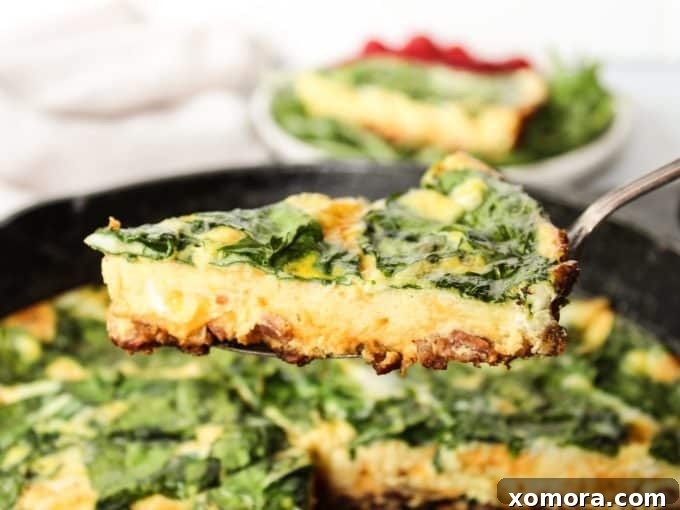
Cast iron skillets come in a range of sizes, with the 10-inch and 12-inch models being the most commonly found in home kitchens. For frittata recipes, especially one designed to serve a family or for meal prepping, I consistently recommend and personally use a 10-inch cast iron skillet. This particular size is absolutely ideal for achieving a frittata that is wonderfully thick and satisfying, boasting a tender, custardy center that’s moist and flavorful.
While a 12-inch skillet is fantastic for cooking larger batches of bacon, searing bigger cuts of meat, or making a family-sized stir-fry, it can make your frittata spread out too much. This results in a much thinner, flatter product that is not only less visually appealing but also significantly more prone to drying out and becoming overcooked around the edges while the center struggles to set properly. The desired height and luscious, fluffy texture of a great frittata are best achieved with the concentrated volume of a 10-inch pan. If a 12-inch skillet is your only option, consider increasing your egg and filling quantities by about 25-30% to achieve a comparable thickness and prevent a thin, dry outcome.
Essential Cast Iron Skillet Care and Maintenance
One of the greatest advantages of cast iron cookware is its naturally nonstick surface, provided it is properly seasoned and diligently maintained. When your cast iron skillet has been seasoned correctly, food should release with remarkable ease, making both cooking and cleanup a far more enjoyable experience. However, if your skillet isn’t well cared for, or if the seasoning has worn down, sticking can indeed become a frustrating issue, diminishing the joy of cooking with this classic cookware.
If you’re concerned about the current state of your skillet’s seasoning, or if its surface feels a bit rough or dull, a quick preventative measure before making this frittata is highly recommended. Wipe the entire inside surface down with a very thin layer of olive oil (or another high smoke point cooking oil like grapeseed, avocado, or flaxseed oil). This provides an extra protective barrier, helps food release more easily, and can even contribute to the seasoning process during baking.
For ongoing care, consistency is paramount. After each use, and once you’ve cleaned your skillet (preferably with hot water and a stiff brush or scraper, avoiding harsh soaps that can strip seasoning), it’s vital to apply a very thin layer of cooking oil to the inside surface. Use just enough oil to make the skillet look glossy, then gently wipe away any excess with a paper towel. The goal is a protective sheen, not a pooled layer of oil, which can turn sticky over time and attract dust. Storing your skillet in a dry place after this quick oiling routine will help maintain its seasoning, prevent rust, and ensure it’s always ready for your next culinary adventure. With proper care, your cast iron skillet will become a cherished tool in your kitchen, offering unparalleled durability and superior cooking performance for generations.
Can I Use a Pie Plate or Other Baking Dish Instead?
While the sheer convenience of using a cast iron skillet for this frittata recipe – specifically its ability to go directly from stovetop to oven in one seamless motion – is undeniable and helps minimize cleanup, it’s certainly not your only option. You can absolutely achieve a delicious and equally impressive frittata using a traditional pie plate or a conventional oven-safe baking dish.
If you opt for an alternative baking vessel, I highly recommend a 10-inch pie plate or a 10×10 inch square baking dish. These sizes will best mimic the dimensions of a 10-inch cast iron skillet and help achieve a similar height and desirable texture for your frittata. It is crucial to avoid baking dishes much larger than this recommended size. Using a significantly larger dish will cause the egg mixture to spread too thinly across the bottom, leading to a very flat frittata that is highly susceptible to overcooking and dryness. The ideal frittata should possess some height and a moist, tender interior.
The main practical difference when using a non-cast iron dish is that you won’t be able to sauté ingredients directly in it. Therefore, you’ll need to first cook your diced bacon, onion, and garlic in a separate skillet on the stovetop. Once these savory components are perfectly cooked, transfer them to your chosen pie plate or baking dish before proceeding with adding the cheese, spinach, and pouring in the whisked egg mixture. This adds an extra step and an additional pan to wash, but it’s a perfectly viable and common method for preparing and enjoying this delicious frittata if a cast iron skillet isn’t available or preferred.
Planning Ahead: Can You Prep This Frittata in Advance?
Yes, absolutely! This Bacon Spinach Frittata is an excellent candidate for advance preparation, making your mornings much smoother, especially when entertaining guests or navigating through busy weekdays. Its make-ahead nature is one of its most appealing qualities.
You can easily assemble the entire frittata the night before you plan to bake it. After preparing the bacon, onion, and garlic, and layering them with the cheese, spinach, and the whisked egg mixture in your skillet or baking dish, simply cover it tightly. Use either a fitted lid (if your skillet has one and is oven-safe for baking from cold), or snugly cover it with aluminum foil, and then refrigerate it overnight. Storing it covered in the refrigerator keeps all the ingredients fresh and prevents them from drying out. When morning arrives, you’ll be delighted by how much time you save. Just uncover the frittata and bake it as directed in the recipe. Keep in mind that baking a cold frittata directly from the refrigerator might extend the cooking time by a few extra minutes compared to baking at room temperature. Always check for a set center to ensure it’s perfectly cooked through and safe to enjoy.
Freezing Your Bacon Spinach Frittata for Later
You can certainly freeze this frittata, transforming it into a wonderfully convenient option for future meals and reducing food waste. The question of whether reheated eggs are enjoyable is often a matter of personal preference. Some people are particular about the textural changes eggs undergo after freezing and reheating, perceiving them as slightly altered. However, many others, including myself, find the texture perfectly acceptable and delicious, especially with a robust dish like a frittata. Its substantial ingredients and custardy base make it more forgiving than, say, delicate scrambled eggs.
If you choose to freeze this frittata, here’s the best approach to maintain its quality: First, allow the freshly baked frittata to cool completely to room temperature. This step is crucial to prevent ice crystals from forming, which can affect texture. Once thoroughly cooled, slice it into individual portions. This makes thawing and reheating much more convenient, allowing you to grab just what you need. Store the frittata slices in an airtight container or a heavy-duty freezer-safe bag, ensuring as much air is removed as possible to prevent freezer burn and preserve freshness. Properly stored, they can maintain their quality in the freezer for up to 2-3 months.
When you’re ready to enjoy a slice, simply thaw it. The best method is to transfer it from the freezer to the refrigerator overnight. Alternatively, you can use the defrost setting on your microwave for a quicker thaw. Reheat individual slices in the microwave for 1-2 minutes, or in a preheated oven at 350°F (175°C) for about 10-15 minutes, until thoroughly warmed through. The oven method can often help restore some of the original crispiness to the frittata’s edges, making it taste almost freshly baked.
How to Store Leftover Frittata
Storing leftovers correctly is key to ensuring your frittata remains fresh, safe, and delicious for subsequent meals. Any leftover Bacon Spinach Frittata should be transferred to an airtight container as soon as it has cooled to room temperature. Prompt refrigeration is important to inhibit bacterial growth and maintain food safety standards. When stored properly in an airtight container, your frittata will keep well in the refrigerator for up to 4 days. This makes it a fantastic and convenient option for meal prep, allowing you to enjoy a quick and satisfying breakfast, brunch, or even a light lunch throughout the week without additional cooking.
Delightful Ways to Serve Your Frittata
This versatile Bacon Spinach Frittata pairs beautifully with a wide variety of side dishes, effortlessly transforming it into a complete and satisfying meal for any time of day, whether it’s breakfast, brunch, or a light dinner. Consider serving it with these delightful accompaniments:
- Extra Crispy Bacon: For the ultimate bacon lover, a side of perfectly crisp bacon is always a welcome and indulgent addition.
- Roasted Potatoes or Hash Browns: Hearty and comforting potato sides, whether oven-roasted with herbs, pan-fried to a golden crisp, or prepared as savory hash browns, complement the rich frittata wonderfully.
- Fresh Fruit Salad: A vibrant mix of seasonal fruits adds a refreshing contrast, a touch of natural sweetness, and a pop of color to balance the savory flavors of the frittata. Berries, melon, and citrus segments work beautifully.
- Simple Green Salad: A light, crisp green salad dressed with a tangy vinaigrette can cut through the richness of the frittata, providing a fresh, palate-cleansing element to your meal.
- Creamy Avocado Slices: The smooth, creamy texture and healthy fats of sliced avocado add another layer of richness and balance, pairing exquisitely with the frittata’s savory notes. A sprinkle of flaky sea salt on the avocado is a nice touch.
- Warm Crusty Bread or Toast: Perfect for soaking up any lingering flavors and adding a satisfying carb element to your meal. Consider sourdough, whole grain, or a fresh baguette.
- Hot Coffee or Fresh Orange Juice: Classic beverage pairings that complete any breakfast or brunch spread.
Customizing Your Frittata: Endless Possibilities
One of the most appealing aspects of a frittata is its incredible flexibility and adaptability. While our Bacon Spinach Frittata is delicious as written, it truly serves as an excellent canvas for culinary creativity, allowing you to personalize it based on your preferences, dietary needs, or whatever ingredients you happen to have on hand in your pantry and refrigerator. Don’t be afraid to experiment and make it your own!
- Vegetable Variations: Expand the nutritional value and flavor profile by incorporating other cooked vegetables. Think sautéed mushrooms, diced bell peppers (red, yellow, or green), thinly sliced zucchini, sun-dried tomatoes, tender asparagus tips, or even roasted sweet potato cubes. Remember to pre-cook any harder vegetables to ensure they are tender before adding them to the egg mixture.
- Protein Alternatives or Additions: While bacon is fantastic, you can swap it out or add other cooked proteins. Crumbled breakfast sausage, diced ham, flaked smoked salmon, or even leftover shredded chicken can make excellent fillings. For a vegetarian option, consider sautéed mushrooms and bell peppers as the main “meatiness.”
- Creative Cheese Combinations: Explore different cheese blends beyond cheddar and Parmesan. Gruyere offers a nutty, earthy flavor; crumbled feta cheese adds a tangy, salty punch; soft goat cheese provides a creamy, luxurious texture; or a mild blend of mozzarella and provolone for a milder profile.
- Fresh Herbs Galore: Elevate the flavor and aroma with a generous sprinkle of fresh chopped herbs. Chives, parsley, dill, thyme, or rosemary, added right before baking or as a fresh garnish, can brighten the entire dish.
- Spice it Up: For those who enjoy a little extra kick, a pinch of smoked paprika, red chili flakes, or a dash of your favorite hot sauce stirred into the egg mixture can add an extra layer of flavor and warmth without overpowering the other ingredients.
Troubleshooting Common Frittata Challenges
Even seasoned home cooks can encounter small hiccups when making a frittata. Don’t worry, these common issues are usually easy to resolve or prevent!
- Frittata Sticking to the Pan: This issue, especially with cast iron, is almost always related to seasoning or insufficient oil. Ensure your cast iron skillet is well-seasoned and adequately oiled before adding ingredients. If your cast iron is older and less seasoned, consider re-seasoning it (a simple process of baking with oil) or adding a slightly more generous amount of cooking oil when sautéing your base ingredients.
- Runny Center: A runny center indicates that the frittata hasn’t baked long enough, or your oven temperature might be slightly too low. The simplest solution is to return it to the oven for an additional 5-10 minutes, checking for doneness periodically. A gentle jiggle of the pan should result in a firm, not liquidy, center.
- Dry or Rubbery Frittata: This is a classic sign of overcooking. Eggs cook quickly, and leaving the frittata in the oven for too long can result in a tough, rubbery texture. Always aim to bake until just set in the center. If the edges appear to be browning too fast while the center is still cooking, you can loosely cover the frittata with aluminum foil during the last few minutes of baking.
- Top Browning Too Quickly: If the top of your frittata is getting too dark before the center is cooked through, the oven temperature might be too high, or the frittata is placed too close to the top heating element. As mentioned above, loosely tenting it with aluminum foil can prevent further browning while allowing the center to finish cooking properly. You might also try moving it to a lower rack in the oven.
- Frittata Doesn’t Puff Up: While frittatas don’t typically rise dramatically like soufflés, a good whisking of the eggs (incorporating air) and a hot oven helps achieve a lighter, airier texture. Ensure you’re whisking the egg mixture sufficiently to incorporate air and that your oven is fully preheated to the correct temperature before inserting the skillet.
With these comprehensive tips and troubleshooting advice, you’re well-equipped to create a flawless and delicious Bacon Spinach Frittata every single time, delighting everyone at your table!
More Delicious Breakfast & Brunch Inspiration
If you enjoyed this versatile frittata recipe and are looking for more exciting breakfast and brunch ideas, be sure to explore these other fantastic options:
Broccoli Cheddar Frittata
Dairy Free Taco Breakfast Casserole
Cheeseburger Frittata
Dairy Free Mexican Breakfast Casserole
Dairy Free Chicken Sausage Breakfast Casserole

Rating: 5 out of 5 stars (from 1 vote)
Bacon Spinach Frittata
This fluffy frittata is filled with the flavors of bacon, cheddar, and parmesan. It’s so easy to make! Serve to guests for brunch, whip it up for meal prep, or enjoy it with family on the weekend.
Print Recipe |
Pin Recipe
Ingredients
- 6 slices bacon, diced
- 1/2 medium white or yellow onion, diced
- 2 tsp garlic, minced
- 8 large eggs
- 1/2 cup milk of choice
- 1/2 tsp salt
- 1/4 tsp ground mustard
- 1/4 tsp cayenne pepper
- 1/4 tsp black pepper
- 1 cup shredded cheddar cheese
- 1/2 cup grated parmesan cheese
- 1 cup fresh spinach, packed
Instructions
- Preheat the oven to 425 degrees Fahrenheit (220°C).
- Add diced bacon and onion to a cast iron skillet on medium to medium-high heat. Use a spatula to stir as it cooks. Sauté until bacon is cooked through and crispy, and the onion is tender and translucent.
- Add minced garlic to the skillet and sauté for about one minute, or until the garlic is fragrant and lightly golden in color. Be careful not to burn it.
- Meanwhile, in a separate bowl, whisk together the eggs, milk, salt, ground mustard, cayenne pepper, and black pepper until well combined and slightly frothy.
- When the bacon, onion, and garlic are done, turn off the stove. Spread them evenly across the bottom of the skillet. Layer the shredded cheddar cheese, grated Parmesan cheese, and fresh spinach on top. Pour your egg mixture over everything.
- Bake in the preheated oven for 16 to 20 minutes, or until the center is just set. A slight jiggle is fine, but it should not be liquid. Remove from the oven and let it rest for a few minutes before serving. The frittata may puff considerably in the oven but will settle as it rests.
Notes
If using lean turkey bacon, add a little olive oil or other cooking oil to the skillet along with the diced bacon and onion. This will help prevent sticking and ensure some crispiness.
Nutrition
- Serving: 1 slice
- Calories: 202 kcal
- Carbohydrates: 3g
- Protein: 15g
- Fat: 14g
- Saturated Fat: 7g
- Trans Fat: 1g
- Cholesterol: 196mg
- Sodium: 641mg
- Potassium: 181mg
- Fiber: 1g
- Sugar: 1g
- Vitamin A: 836 IU
- Vitamin C: 2mg
- Calcium: 221mg
- Iron: 1mg
Nutrition information is automatically calculated and should be used as an approximation only.
Enjoy this recipe? Please leave a comment below and share your thoughts!