
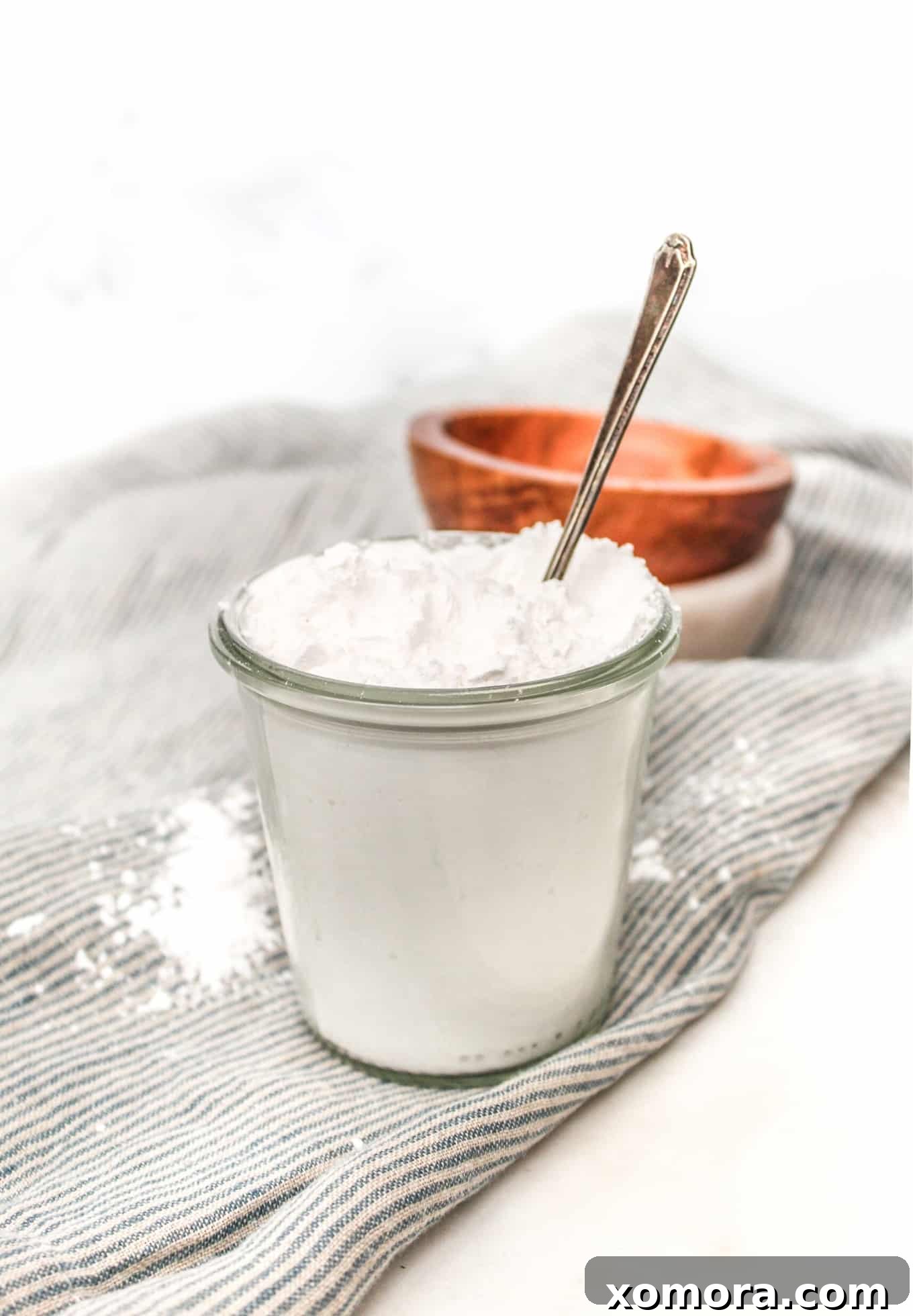
Arrowroot flour, also widely recognized as arrowroot starch or arrowroot powder, stands as a remarkable grain-free ingredient that has soared in popularity across various health-conscious culinary landscapes. From Paleo and Whole30 diets to gluten-free, vegan, and simply healthy cooking, its versatility and unique properties make it an indispensable pantry staple. This comprehensive guide will delve deep into what arrowroot flour is, its myriad uses, why it’s a superior choice for many, and how to effectively incorporate it into your cooking and baking to achieve perfect results every time.
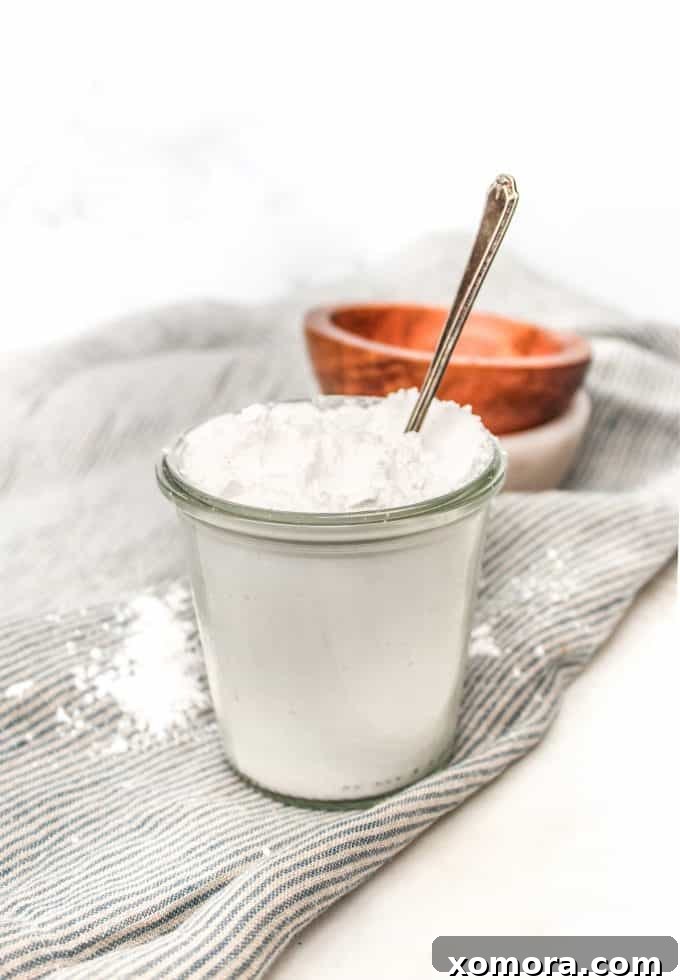
What Exactly is Arrowroot Flour Made From?
Arrowroot flour is not derived from grains, but rather from the rootstalks (rhizomes) of the tropical arrowroot plant, specifically Maranta arundinacea. This perennial herb, native to the rainforests of Central and South America, has been cultivated for centuries for its starchy roots. The extraction process is remarkably simple and natural: the rhizomes are washed, peeled, and crushed into a pulp. This pulp is then mixed with water, allowing the pure starch to settle at the bottom. The water is drained, and the starch is dried, resulting in the fine, white powder we know as arrowroot flour. This minimal processing ensures that arrowroot flour remains a pure and unadulterated product, retaining its natural benefits without the need for harsh chemicals or high heat, which can often degrade the quality of other starches.
Is Arrowroot Flour the Same as Cassava Flour?
While both arrowroot and cassava flour are popular gluten-free alternatives derived from root vegetables, they are distinctly different ingredients. Cassava flour is milled from the entire cassava root, Manihot esculenta, which is also the source of tapioca starch (tapioca is the isolated starch from cassava, similar to how arrowroot is the starch from the arrowroot plant). Because cassava flour incorporates the whole root, it typically has a slightly higher fiber content and a different texture compared to pure starches like arrowroot or tapioca.
Both flours are frequently utilized in gluten-free, Paleo, and Whole30 cooking and baking due to their similar dietary compliance. However, their functional properties differ. Arrowroot starch is known for its incredible thickening power and its ability to create a clear, glossy finish in sauces and gravies. Cassava flour, on the other hand, often provides more structure and binding properties in baked goods, making it excellent for breads, cakes, and cookies. Understanding these differences is key to selecting the right flour for your specific culinary application.
Versatile Applications: What Can You Use Arrowroot Flour For?
Arrowroot flour’s mild flavor and unique characteristics make it an incredibly versatile ingredient in any kitchen, especially for those navigating dietary restrictions or simply seeking healthier alternatives.
- A Superior Thickening Agent: Arrowroot flour is widely regarded as my absolute favorite alternative to cornstarch for thickening a vast array of liquids. It excels in bringing body and a beautifully glossy, clear finish to sauces, gravies, soups, stews, and puddings. Unlike cornstarch, which can sometimes impart a slightly cloudy appearance, arrowroot creates a wonderfully transparent and silken texture. Its neutral flavor ensures that the integrity of your dish’s taste profile remains uncompromised. (For instance, I feature an incredible healthy pudding recipe in my cookbook, Clean Paleo One-Pot Meals, that harnesses the thickening power of arrowroot to perfection.)
- Enhancing Gluten-Free Baking: In the realm of gluten-free baking, arrowroot flour plays a crucial role in improving texture. It can be used in blends with other gluten-free flours (like almond flour, coconut flour, or cassava flour) to lighten the overall texture of baked goods, making them less dense and more tender. It contributes to a delicate crumb, prevents gumminess, and helps achieve a more palatable mouthfeel that often mimics traditional wheat-based products.
- An Effective Egg Replacer: For those following vegan diets or dealing with egg allergies, arrowroot flour offers a simple and effective solution as an egg replacer in many recipes. To substitute one large egg, simply whisk together one tablespoon of arrowroot flour with one tablespoon of vegetable oil and 1/4 cup of water. This mixture provides binding and moisture, helping to hold ingredients together and contribute to a tender texture in baked goods, fritters, and even some savory dishes.
- Crispy Coatings: When used as a light dusting or coating for meats and vegetables before frying or baking, arrowroot flour can contribute to an exceptionally crispy and delicate crust. It helps create a barrier that locks in moisture while achieving a delightful crunch on the exterior.
Why Choose Arrowroot Flour Over Other Starches?
The reasons for incorporating arrowroot flour into your diet are numerous, extending beyond mere dietary compliance to encompass health benefits and superior culinary performance.
- Dietary Inclusivity: Arrowroot is inherently grain-free, gluten-free, Paleo, Whole30 (provided it’s not used in desserts or baked goods that are typically restricted on the program), and vegan. This makes it a perfect fit for a wide spectrum of dietary needs and preferences, offering a clean label and peace of mind.
- Not Corn-Derived: A significant advantage for many is that arrowroot is not derived from corn. For individuals with corn allergies, sensitivities, or concerns over genetically modified organisms (GMOs) often associated with conventional corn products, arrowroot flour provides a safe and natural alternative. It eliminates potential inflammatory triggers for sensitive individuals, making it a preferred choice for clean eating.
- Easier Digestion: Many people find arrowroot flour to be more easily digested than cornstarch. Its simpler starch structure and the gentle, natural extraction process contribute to its reputation as a stomach-friendly ingredient, reducing the likelihood of digestive discomfort.
- Minimally Processed: As mentioned, arrowroot flour is extracted from the roots of the arrowroot plant using a traditional, low-impact method. This process avoids high heat, harsh chemicals, or extensive industrial processing, distinguishing it as a more natural and less refined product compared to many commercial starches, including cornstarch.
- Nutritional Profile: While primarily a carbohydrate, arrowroot has fewer calories and carbohydrates compared to an equal serving of cornstarch, making it a slightly lighter option for those monitoring their intake. It also contains trace amounts of essential minerals like potassium, iron, and B vitamins.
- Neutral Flavor Profile: A standout characteristic of arrowroot flour is its virtually undetectable flavor. Most culinary enthusiasts agree that it is completely flavorless, allowing the true flavors of your ingredients to shine through. While some rare individuals claim to detect a subtle taste, for the vast majority, arrowroot acts as an invisible thickening and binding agent, making it ideal for delicate sauces and desserts where flavor purity is paramount.
What Does Arrowroot Flour Taste Like?
One of arrowroot flour’s most celebrated attributes is its neutral taste. The overwhelming consensus is that arrowroot flour is entirely flavorless, meaning it will not impart any discernible taste to your dishes. This makes it an ideal thickening agent for a wide range of recipes, from savory gravies to sweet fruit fillings, ensuring that the original flavors of your ingredients are preserved and enhanced. Very rarely might one encounter an individual who claims to detect a subtle flavor, but for most palates, arrowroot remains a culinary ghost, working its magic without making its presence known.
Effective Techniques: How Do You Use Arrowroot Flour?
To maximize arrowroot flour’s potential and avoid common pitfalls, understanding its proper application is crucial. Its heat sensitivity sets it apart from other thickeners.
When used as an alternative to cornstarch, arrowroot flour can generally be substituted at a 1:1 ratio. So, if a recipe calls for one tablespoon of cornstarch, you can typically use one tablespoon of arrowroot flour.
The most effective way to utilize arrowroot flour as a thickener is to incorporate it into your sauce or soup towards the very end of your cooking time. Arrowroot does not require prolonged cooking to activate its thickening properties; in fact, excessive heat can cause it to break down and lose its efficacy. First, ensure your sauce or soup has finished cooking and is hot. Then, create a “slurry” by whisking the arrowroot flour with an equal part of cold water until smooth. This prevents lumps. Immediately stir this slurry into your hot liquid. You should notice thickening almost instantly. Remove the dish from the heat shortly after it has thickened to your desired consistency.
Heating arrowroot for too long, or bringing a thickened sauce to a rolling boil after arrowroot has been added, can cause it to lose its ability to thicken. One minute your gravy might be perfectly thick and luscious, and the next it could mysteriously revert to a thin, watery consistency. This indicates that the starch molecules have broken down due to overcooking. Gentle heating and immediate removal from heat after thickening are the keys to success.
Here are a few delicious recipes where arrowroot flour shines as a thickener:
Creamy Herb Mushroom Chicken
Skillet Mushroom Steak Bites
Teriyaki Chicken & Broccoli
Meatballs in Gravy
Chicken & Asparagus Stir Fry
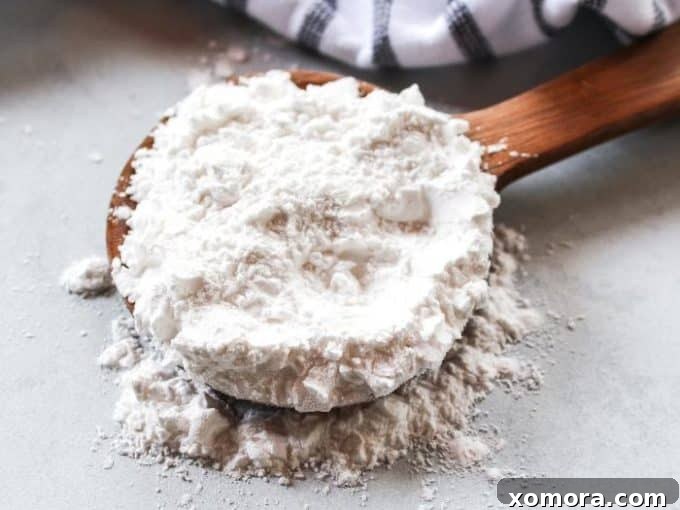
Troubleshooting: Arrowroot Not Thickening? What Went Wrong?
Arrowroot flour can indeed be a bit finicky if its specific properties aren’t respected. If you find your dish isn’t thickening as expected, don’t despair! Here are common reasons and solutions:
- Overheating: As highlighted, the most frequent culprit is exposing arrowroot to prolonged or excessive heat. If your sauce thins out after initially thickening, it means the starch has broken down. To prevent this, always add the arrowroot slurry at the very end of cooking, off the direct heat, and avoid re-boiling the thickened liquid.
- Incorrect Slurry Preparation: Always whisk arrowroot flour with an equal part of cold liquid (water, broth, or juice) until it forms a smooth, lump-free paste before adding it to your hot dish. Adding dry arrowroot directly to hot liquid will almost certainly result in lumps and uneven thickening.
- Not Enough Arrowroot: While a 1:1 ratio with cornstarch is a good starting point, some recipes or desired consistencies might require a bit more. If your first attempt doesn’t thicken sufficiently, you can always prepare another small slurry and gradually stir it into the hot liquid until the desired thickness is achieved. This method is particularly forgiving, as you can continuously adjust without ruining your entire dish.
- Improper Blending: Most of the time, I use the slurry method where I shake it vigorously with equal parts cold water and then stir it into the hot sauce or soup. This is ideal for recipes with a high volume of liquid or when you need rapid thickening. For dishes where I want a richer base, such as my Meatballs in Gravy recipe, I sometimes whisk the arrowroot flour with melted butter or ghee first to create a cohesive paste before incorporating other ingredients and allowing them to simmer gently. This method can take a few extra minutes for the thickening to occur, but it builds a more robust foundation for the sauce.
Where Can You Find Arrowroot Flour?
As its popularity grows, arrowroot flour has become increasingly accessible. You can typically find it in your local healthy food stores, such as Whole Foods or similar natural food markets. Higher-end grocery stores often stock it in their gluten-free or baking aisles. Furthermore, a wide selection of arrowroot flour brands is readily available online through major retailers like Amazon or specialty health food websites. When purchasing, always look for pure arrowroot starch to ensure you’re getting the highest quality and most effective product.
Proper Storage: How Do You Store Arrowroot Flour?
To maintain its potency and extend its shelf life, arrowroot flour should be stored properly. It is best kept in an airtight container in a cool, dry place, away from direct sunlight and humidity. This prevents moisture absorption, which can cause the flour to clump or even spoil. While refrigeration is not strictly necessary, some prefer to refrigerate it, especially in humid climates, to further ensure its longevity and freshness. Stored correctly, arrowroot flour can last for up to two years, remaining a reliable staple in your healthy kitchen.