
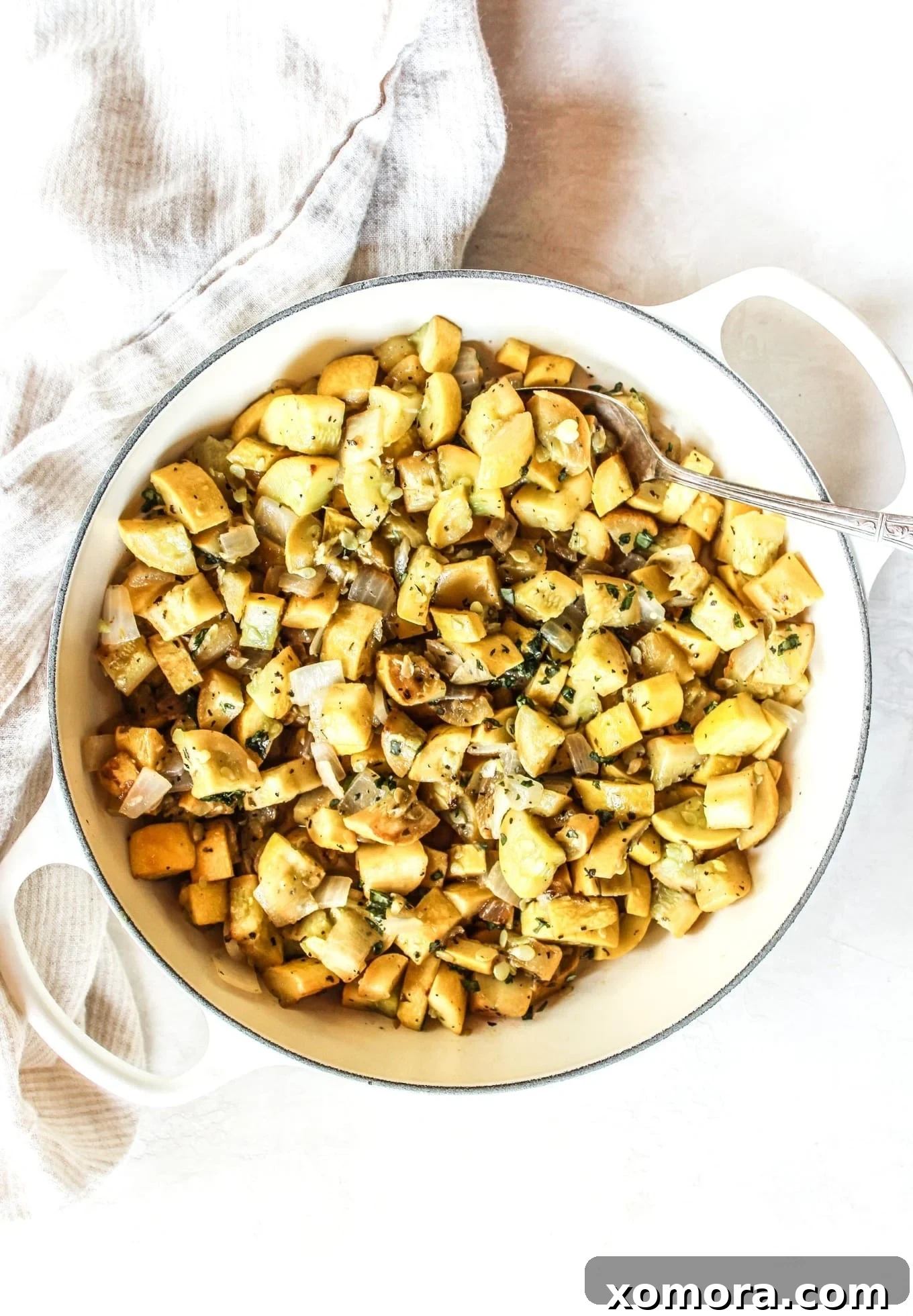
Welcome to the ultimate guide for creating the most delicious, tender, and perfectly seasoned **Sautéed Squash**! This incredibly quick and satisfying dish is not just a recipe; it’s a celebration of fresh flavors, making it the ideal healthy veggie addition to any summertime meal. In less than 10 minutes, you can transform simple ingredients into a vibrant side that’s bursting with flavor, surprisingly nutritious, and delightfully easy to prepare. Whether you’re a seasoned chef or a kitchen novice, this simple sautéed squash recipe promises a culinary experience that’s both rewarding and irresistibly tasty.
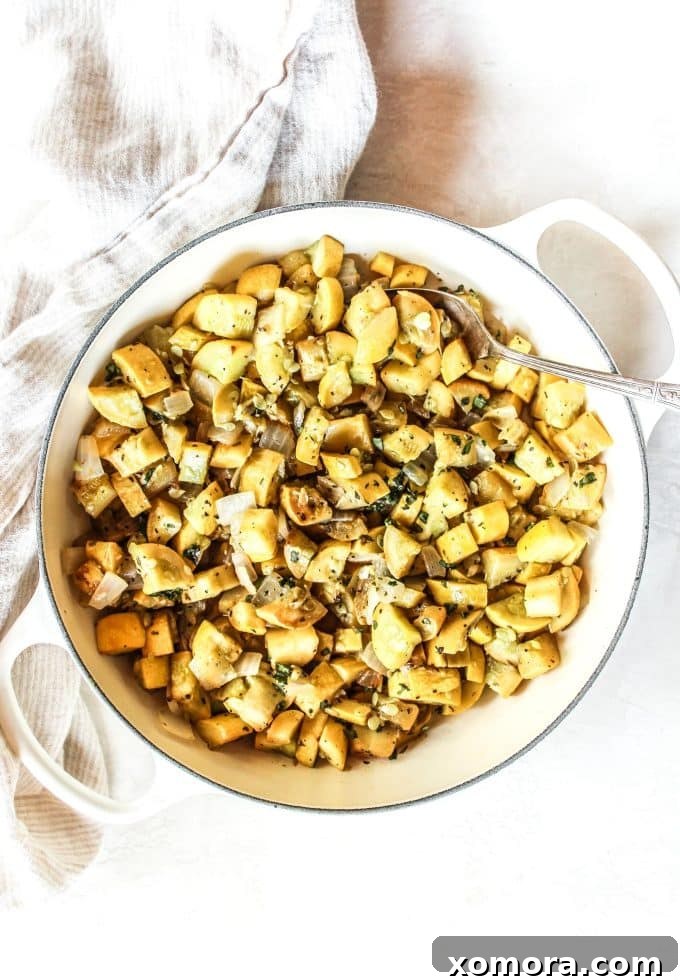
There’s a special kind of satisfaction that comes from cooking with ingredients grown right in your own backyard. For years, our garden was a bountiful source of **fresh squash and zucchini**, providing an almost endless supply throughout the warmer months. While I’ve taken a brief hiatus from growing these particular plants—mostly to allow other vegetables their moment to shine, and frankly, because squash plants can become enormous, with leaves sometimes larger than my head!—I genuinely miss the convenience and sheer joy of stepping outside and harvesting my own produce. That vibrant yellow or green, the firm texture, the earthy scent… there’s nothing quite like it. It’s this connection to nature, this abundance, that often inspires the simplest yet most rewarding meals, like our beloved **easy sautéed squash**.
This Simple Sautéed Squash recipe isn’t just a convenient way to use up garden fresh produce; it’s a dish deeply rooted in my childhood memories. Growing up, squash was a consistent presence on our dinner table, often prepared as a skillet side by my parents. Their classic method involved minimal ingredients: just squash, onions, salt, and pepper, all cooked until tender. My version pays homage to that comforting foundation while elevating it with flavors I’ve come to love. You know me, I can’t resist incorporating the aromatic depth of fresh garlic and a sprinkle of fragrant herbs. These additions transform a simple side into something truly special, adding layers of Mediterranean-inspired goodness without overcomplicating the process. Furthermore, I’ve found a superior way to prepare the squash itself that ensures a much better texture, moving away from the traditional thin circles to a method that prevents mushiness.
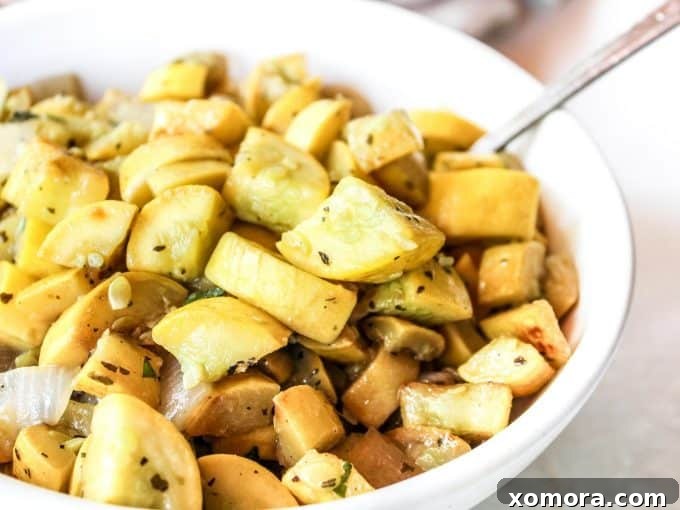
The Secret to Perfectly Sautéed Squash: Achieving That Golden Brown Perfection
The magic of sautéing any vegetable lies in achieving that beautiful caramelization, that coveted golden-brown sear that deepens the flavor and adds an irresistible texture. For our sautéed squash, this browning is absolutely essential, transforming simple squash into a savory delight. To make this happen, the key is patience and proper heat. You’ll start by adding your choice of oil to a hot pan—preferably a good quality olive or avocado oil that can withstand medium-high heat. Once the oil shimmers, introduce your diced onion and squash. The crucial step here is to let it sit undisturbed for a few minutes. Resist the urge to stir! This allows the natural sugars in the vegetables to react with the heat of the pan, leading to that wonderful browning and complex flavor development. Once you see those desirable golden edges, it’s time to stir, incorporate your carefully selected seasonings, and continue to cook for just a few more minutes until the squash reaches its perfect, tender-crisp state. This simple technique ensures every bite of your skillet squash is flavorful and far from bland.
Essential Tips for Your Best Sautéed Squash Yet
While the recipe itself is straightforward, a few key techniques can elevate your summer squash from good to absolutely outstanding:
- Uniform Cuts for Even Cooking: The foundation of perfectly cooked vegetables is consistency. Always strive to cut your squash and onion into pieces of roughly the same size. This ensures that every piece cooks at the same rate, preventing some from becoming mushy while others remain undercooked.
- Adjust Cooking Time for Piece Size: If you prefer larger, chunkier pieces of squash, remember that they will require a little extra time in the pan to become tender. Conversely, smaller dices will cook faster. Keep an eye on them and adjust accordingly.
- Experiment with Seasonings: Don’t be afraid to make this recipe your own! While basil, garlic powder, and salt are my go-to’s, this dish is incredibly versatile. Consider adding a dash of black pepper for a subtle kick, onion powder for a more intense onion flavor, a pinch of dried oregano or thyme for an herbal twist, or even a sprinkle of smoked paprika for a hint of smoky depth. A squeeze of fresh lemon juice at the end can also brighten all the flavors beautifully.
- Versatility with Zucchini & Mix-ins: Yellow squash isn’t the only star here. Feel free to use zucchini entirely, or create a delightful medley by combining both yellow squash and zucchini. Both respond wonderfully to this sautéing method. You could even toss in some cherry tomatoes in the last few minutes for an added burst of color and sweetness, or a handful of fresh spinach that wilts beautifully into the dish.
- Garnish with Fresh Herbs for Presentation: For a dish that looks as good as it tastes, a final sprinkle of fresh herbs can make all the difference. Finely chopped fresh basil, parsley, or even chives added just before serving will add a pop of color, an extra layer of freshness, and a vibrant aroma. It’s a simple touch that elevates the entire presentation.
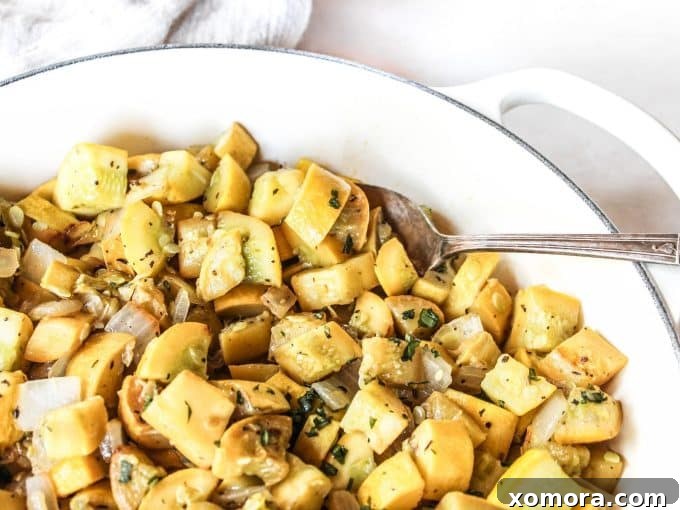
The Ultimate Guide: How to Cut Yellow Squash So It Stays Firm and Never Gets Mushy
One of the most common pitfalls when cooking squash, especially yellow squash, is ending up with a watery, mushy mess. Many people, myself included in my younger days, default to cutting yellow squash into thin circles. This is a common practice, perhaps a traditional Southern approach, reminiscent of how green beans are often cooked until they’re barely recognizable as a vegetable. While there’s a certain nostalgia to these methods, the truth is that cutting squash into thin rounds often leads to a disappointing texture. As the circles cook, the inner flesh tends to break down, releasing excess moisture and causing the squash to become soggy and lose its structural integrity.
But fear not, there is a far superior method to ensure your sautéed yellow squash retains a delightful, firm texture! My preferred technique is to dice the yellow squash into uniform, bite-sized cubes. This simple change makes a world of difference. When diced, each piece of squash has more structural integrity, preventing it from collapsing and becoming watery during cooking. The diced pieces hold their shape beautifully, resulting in a much more satisfying mouthfeel – tender, yet with a slight al dente bite. This method allows for better caramelization on more sides, enhancing the overall flavor and texture. If you’ve always cooked squash in circles, I urge you to try dicing it next time. You’ll be amazed at the improvement in texture and how much more enjoyable your finished sautéed squash will be!
The Health Benefits of Sautéed Squash
Beyond its incredible taste and quick preparation, sautéed squash is also a powerhouse of nutrition, making it a fantastic addition to any healthy diet. Yellow squash, and zucchini, are low in calories and carbohydrates, yet rich in essential vitamins and minerals. They are an excellent source of Vitamin C, which is crucial for immune function and skin health, and Vitamin A, vital for vision. Additionally, squash provides a good amount of dietary fiber, aiding in digestion and promoting a feeling of fullness, which can be beneficial for weight management. With potassium for heart health and a host of antioxidants, enjoying a plate of simple sautéed squash means you’re nourishing your body with every delicious bite. It’s a truly guilt-free indulgence that complements a wide variety of main courses.
Pairing and Serving Suggestions for Your Sautéed Squash
This versatile sautéed squash recipe can be enjoyed in countless ways. It makes an outstanding standalone side dish for virtually any protein, from grilled chicken breasts and pan-seared fish to a juicy steak or hearty pork chops. Its light and fresh flavor profile makes it perfect alongside heavier main courses, providing a welcome balance. You can also incorporate it into larger meals: toss it into a pasta dish for added vegetables, layer it into a summer vegetable lasagna, or use it as a flavorful base for grain bowls featuring quinoa or rice. For a quick lunch, simply pair it with a fried egg and a sprinkle of Parmesan cheese. Its adaptability is one of its greatest strengths, making it a recurring star in your weekly meal rotation.
More Delicious Vegetable Recipes to Explore
If you loved this simple and flavorful sautéed squash, you’ll definitely want to check out these other fantastic vegetable dishes:
Grilled Zucchini & Squash
Garlic Green Beans
Sautéed Honey Carrots
Green Beans with Toasted Almonds
Roasted Ranch Veggies
Frequently Asked Questions About Sautéed Squash
To help you master this delightful side dish, here are answers to some common questions:
- Can I use frozen squash for this recipe? While fresh squash is highly recommended for the best texture and flavor, you can use frozen squash in a pinch. However, be aware that frozen squash tends to release more water and might result in a slightly softer texture. Thaw it completely and pat it very dry before sautéing to minimize water content.
- What kind of pan is best for sautéing squash? A large skillet or frying pan with a wide surface area is ideal. Cast iron, stainless steel, or non-stick pans all work well. The key is to have enough space so the squash isn’t overcrowded, which can lead to steaming rather than browning.
- How do I know when the squash is cooked through? The squash should be tender when pierced with a fork but still retain a slight bite (al dente). It should also have some nice golden-brown spots from caramelization. Overcooking will lead to mushiness.
- Can I make this recipe ahead of time? Sautéed squash is best enjoyed immediately after cooking for optimal texture. If you need to prepare it ahead, it can be stored in an airtight container in the refrigerator for up to 2-3 days, but it may become softer upon reheating. Reheat gently in a skillet or microwave.
- What if my squash is getting too watery? This usually happens if the pan isn’t hot enough, if too much squash is added at once (overcrowding), or if the squash wasn’t dried properly before cooking. Ensure your pan is hot, don’t overcrowd it (cook in batches if necessary), and pat the diced squash dry with a paper towel before adding it to the skillet.
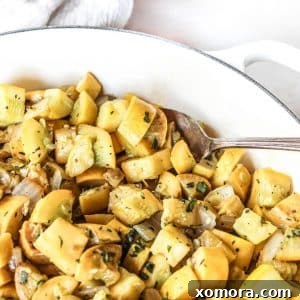
Easy Sautéed Squash
Saved
Print Recipe
Pin Recipe
Rate Recipe
Ingredients
- 2 tbsp olive or avocado oil
- 4 medium yellow squash, diced
- 1/2 white or yellow onion, diced
- 1 tsp dried basil
- 1 tsp salt
- 1 tsp garlic powder
Instructions
-
Heat the olive or avocado oil in a large skillet over medium-high heat until shimmering.
-
Add the diced squash and onion to the hot skillet. Spread them in an even layer and sauté for 2 to 3 minutes without stirring. This crucial step allows for proper caramelization and browning, developing a richer flavor.
-
After browning, stir the vegetables. Season immediately with salt, garlic powder, and dried basil, ensuring even distribution of flavors.
-
Continue to cook, stirring occasionally, for another 5 to 8 minutes, or until the squash is tender-crisp and cooked to your desired consistency. Avoid overcooking to prevent mushiness. Serve hot and enjoy!
Nutrition
Nutrition information is automatically calculated, so should only be used as an approximation.
Enjoyed this recipe? Share your thoughts below!Your feedback helps us create more delicious content!