
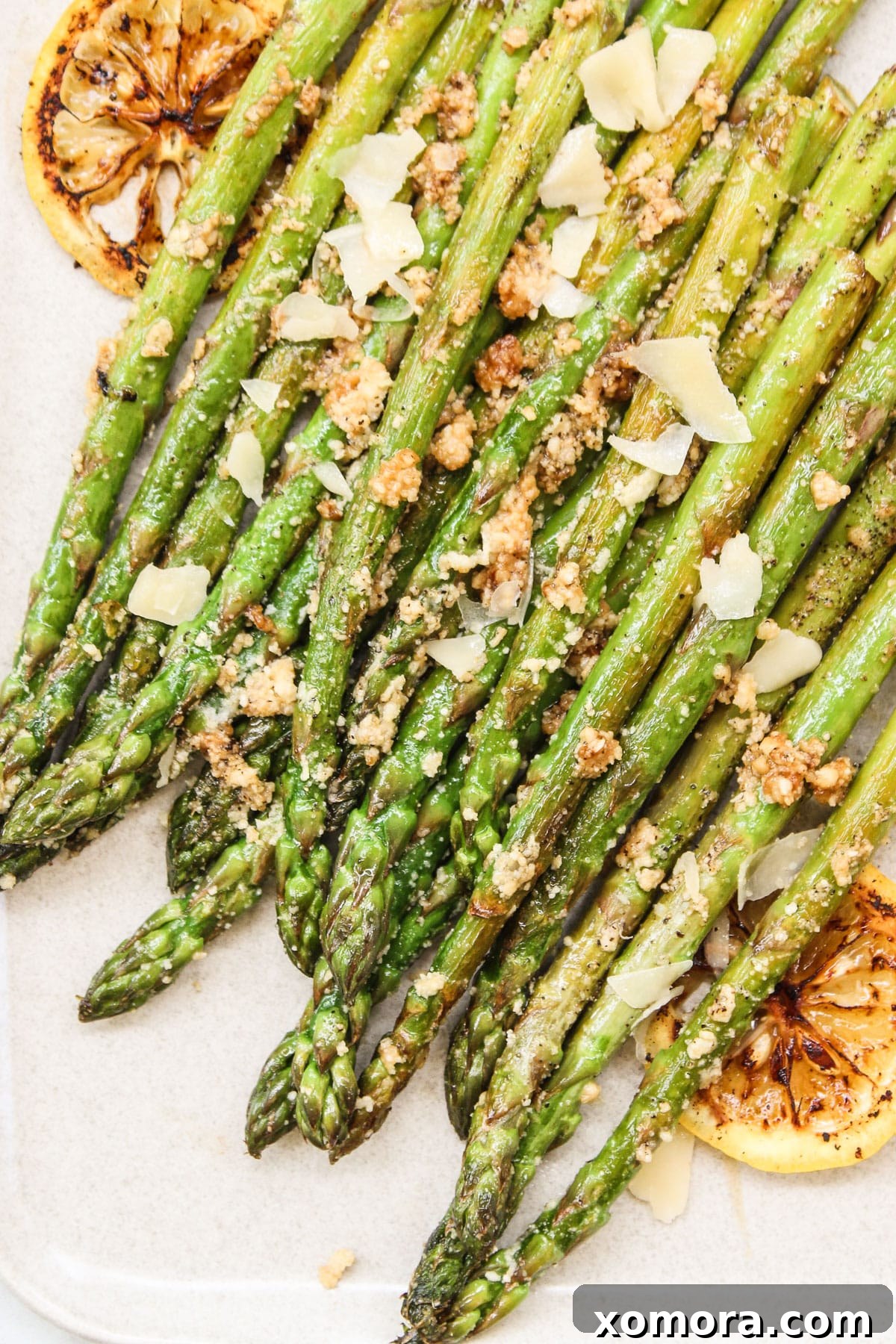
Perfectly Sautéed Parmesan Asparagus with Zesty Lemon and Garlic
Prepare to fall in love with asparagus all over again! This recipe for perfectly sautéed asparagus, infused with bright lemon, savory garlic, and golden-crisp Parmesan cheese, is more than just a side dish – it’s a culinary revelation. It’s so simple to make, yet delivers such an incredible burst of flavor and texture that you’ll find everyone at the table reaching for seconds. Forget bland, watery vegetables; this is the definitive way to enjoy fresh asparagus, transforming it into an irresistible accompaniment for any meal.
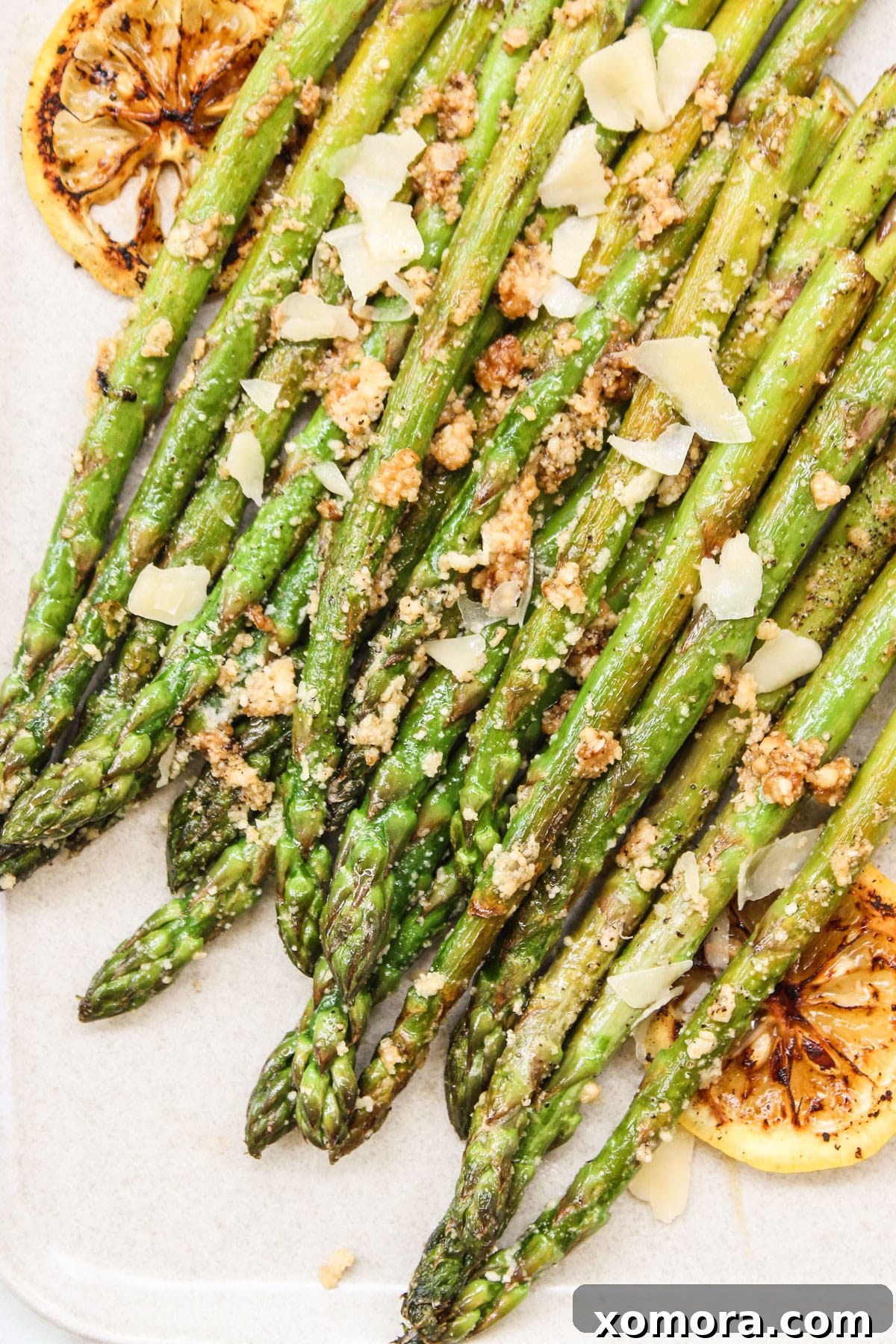
What makes this asparagus truly addictive? It’s the delightful combination of flavors and textures that come together so harmoniously. The vibrant, slightly bitter notes of fresh asparagus are perfectly balanced by the tangy zest of lemon and the pungent warmth of garlic. But the real star is undoubtedly the grated Parmesan cheese, which, when tossed into the hot pan, transforms into golden, slightly crispy bits that cling to each spear. This magical touch adds a depth of umami and a satisfying crunch that elevates the entire dish from a simple vegetable side to an unforgettable culinary experience.
Why This Sautéed Asparagus Recipe Stands Out
Many people find cooking asparagus daunting, often resulting in either undercooked, stringy spears or overcooked, mushy stalks. This recipe, however, is designed for perfection. Sautéing is an ideal method for asparagus as it cooks quickly at high heat, preserving its vibrant color and creating a tender-crisp texture. The addition of lemon brightens the natural flavors of the asparagus, while garlic adds an aromatic foundation. The Parmesan cheese doesn’t just add a salty, nutty kick; it creates a delicious crust on some of the spears, adding a textural dimension that is utterly delightful.
It’s an incredibly versatile dish that pairs well with almost anything, from a simple grilled chicken to a fancy steak. Plus, it’s a naturally low-carb, nutrient-dense option that supports a healthy lifestyle without sacrificing flavor.
The Health Benefits of Asparagus
Beyond its delicious taste, asparagus is a nutritional powerhouse, making this dish not just a treat for your taste buds but also a boost for your health. This spring vegetable is packed with essential vitamins and minerals, offering a variety of benefits:
- Rich in Vitamins: Asparagus is an excellent source of Vitamin K, crucial for blood clotting and bone health, and Vitamin A, vital for vision and immune function. It also provides a good amount of Vitamin C, a powerful antioxidant, and several B vitamins, including folate, which is essential for cell growth and DNA formation.
- High in Fiber: The fiber content in asparagus supports digestive health, helps regulate blood sugar levels, and can contribute to a feeling of fullness, aiding in weight management.
- Antioxidant Properties: Asparagus contains various antioxidants, including flavonoids and polyphenols, which help protect your cells from damage caused by free radicals, potentially reducing the risk of chronic diseases.
- Anti-inflammatory Effects: The unique combination of nutrients in asparagus, including saponins and various antioxidants, gives it anti-inflammatory properties that can help reduce inflammation throughout the body.
- Hydrating: With its high water content, asparagus can help keep you hydrated and supports kidney function.
Incorporating this delicious sautéed parmesan asparagus into your diet is an easy and flavorful way to enjoy these numerous health advantages.
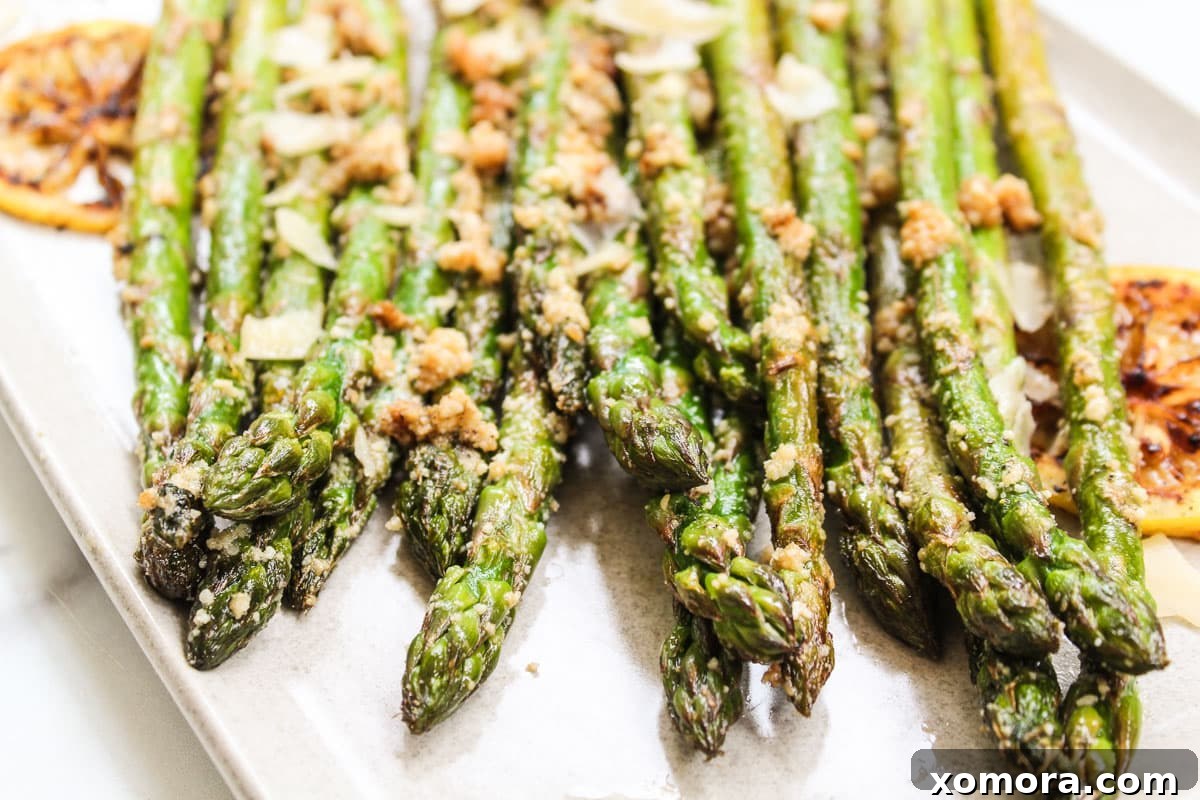
How to Choose and Store Fresh Asparagus
The key to any great asparagus dish starts with selecting the freshest spears. Knowing what to look for and how to store them properly will ensure your Sautéed Parmesan Asparagus turns out perfectly every time.
Choosing Fresh Asparagus
When you’re at the grocery store or farmer’s market, keep these tips in mind to pick the best asparagus:
- Look for Vibrant Color: Fresh asparagus should have a bright green color, sometimes with a touch of purple at the tips. Avoid spears that look dull, yellowish, or have dark, soft spots.
- Firm Stalks: The stalks should be firm and stand upright. If they feel rubbery or limp, they are likely past their prime.
- Tight Tips: The tips should be closed and compact, not splayed open or slimy. Splayed tips indicate that the asparagus is older.
- Uniform Thickness: While not strictly necessary, choosing spears of similar thickness will help them cook more evenly. However, thinner spears tend to be more tender.
- Fresh Scent: Fresh asparagus should have a mild, earthy smell. Avoid any with a strong, unpleasant odor.
Proper Storage for Freshness
To maximize the shelf life and crispness of your asparagus, store it in the refrigerator using this simple method, which is similar to how you’d keep fresh herbs:
- Upon arriving home from the grocery store, trim about an inch off the bottom ends of the asparagus spears.
- Stand the asparagus upright in a glass jar or a wide glass with about 1-2 inches of water at the bottom.
- Cover the tips loosely with a plastic bag (a produce bag works perfectly) to create a humid environment.
- Place the jar in the refrigerator. This method allows the asparagus to continue absorbing water, keeping it crisp and fresh for up to a week, or sometimes even longer.
This simple storage trick is a game-changer for maintaining the quality of your asparagus until you’re ready to cook.
Preparing Asparagus: Trimming the Ends
Before you get to cooking, it’s crucial to remove the tough, woody ends of the asparagus stalks. These fibrous portions are not enjoyable to eat and can detract from the overall experience of your dish. You’ll often notice they are paler in color or a different shade of green than the rest of the tender stalk. There are two popular and effective ways to trim asparagus:
The Snap Method
This is often considered the most intuitive method. Hold an individual asparagus spear with both hands, one hand near the cut end and the other about two-thirds of the way down the stalk. Gently bend the spear until it naturally snaps. The asparagus will typically break at the point where the woody end meets the tender part of the stalk. This method ensures you remove only the tough part, minimizing waste.
The Knife Method
If you have a large bunch of asparagus and want a faster approach, you can use a knife. Gather a few asparagus spears together, aligning their ends as best as possible on a cutting board. Using a sharp knife, carefully slice off the ends. To determine the cutting point, you can first snap one spear using the method above and then use that snapped spear as a guide for the rest of the bunch. The advantage of this method is speed, especially for larger quantities. However, be mindful not to cut too much, as you might waste some of the perfectly edible tender parts if you cut too high.
Regardless of the method you choose, a properly trimmed asparagus spear will cook more evenly and provide a delightful, consistent texture throughout.
The Sautéing Process: Achieving Perfection
Sautéing asparagus is a quick and effective cooking method that yields tender-crisp spears with beautiful color. The key is to use the right heat and technique to avoid overcooking or undercooking.
Start with a large skillet or frying pan. A wide surface area is important so that the asparagus can cook in a single layer without overcrowding. Overcrowding the pan will steam the asparagus instead of sautéing it, resulting in a less desirable texture. Heat your olive oil over medium-high heat until it shimmers but isn’t smoking. This ensures the asparagus begins to cook immediately upon contact with the pan, developing a slight char and sweetness.
Once the asparagus is added, resist the urge to constantly stir it. Allow the spears to sit undisturbed for a few minutes to get a nice sear on one side before flipping. This creates those appealing golden-brown spots. The cooking time will vary depending on the thickness of your asparagus, but generally, 3-5 minutes is enough to get them almost tender. Then, reduce the heat and introduce the lemon juice and garlic. The heat from the pan will gently cook the garlic, releasing its fragrant oils, and the lemon juice will deglaze the pan slightly while infusing the asparagus with its vibrant acidity.
Finally, the grated Parmesan cheese is added. Toss it quickly with the hot asparagus, and watch as it melts and crisps slightly, forming a delicious coating. Turn off the heat immediately after adding the Parmesan to prevent it from burning, ensuring a perfectly golden, rather than burnt, finish.
Tips for Perfect Sautéed Asparagus
- Don’t Overcrowd the Pan: Cook asparagus in batches if necessary. An overcrowded pan will lower the temperature and steam the vegetables, preventing them from achieving that desired tender-crisp texture and slight char.
- High Heat is Key: Start with medium-high heat to get a good sear on the asparagus quickly. This helps retain its vibrant green color and prevents it from becoming soggy.
- Flip Occasionally: Allow the asparagus to cook undisturbed for a few minutes on each side to develop a slight caramelization and tender texture.
- Season Generously: Salt and pepper are essential, but don’t be shy with the lemon juice and garlic. They are what make this dish shine.
- Fresh is Best: Use fresh lemon juice for the brightest flavor.
- Parmesan at the End: Add the grated Parmesan cheese at the very end of cooking, just before serving, and toss quickly. This allows it to melt and get lightly golden without burning.
- Serve Immediately: Sautéed asparagus is best enjoyed fresh off the pan. It can get mushy if refrigerated and reheated.
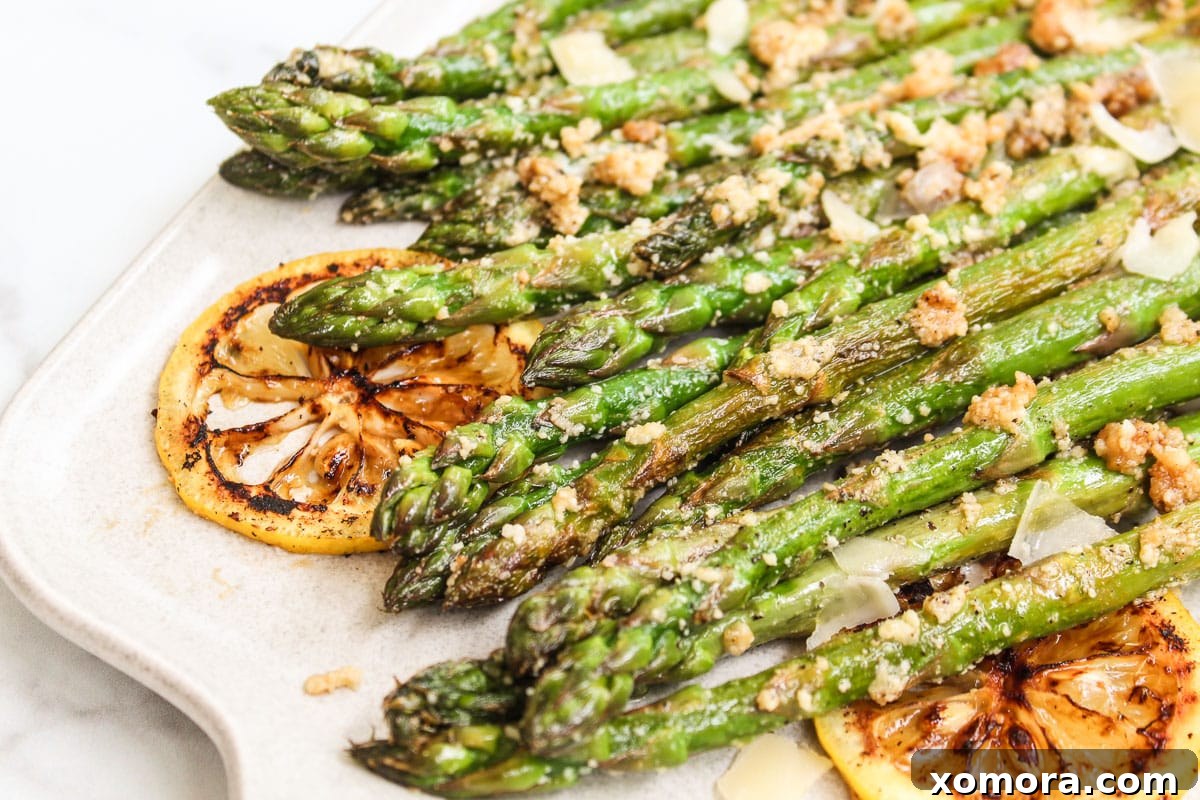
Sautéed Parmesan Asparagus Recipe
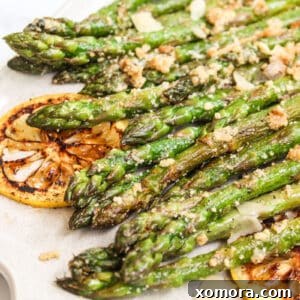
Sautéed Parmesan Asparagus
By Christina
This perfectly sautéed asparagus is flavored with lemon and parmesan cheese. It’s a side dish that has everyone clamoring for seconds!
Yields: 4 servings
Ingredients
- 1 tbsp extra virgin olive oil
- 1 lb asparagus
- 1½ tbsp lemon juice
- 1 tsp minced garlic
- ¼ tsp salt
- ¼ tsp black pepper
- 2 tbsp grated Parmesan cheese
Instructions
- Rinse the asparagus thoroughly under cold water. Pat dry with a paper towel. Trim off the tough, woody end pieces (approximately 1-2 inches) using either the snap method or a knife.
- Add the olive oil to a large skillet or frying pan. Heat the pan over medium-high heat until the oil is hot and shimmering.
- Once the oil is hot, add the trimmed asparagus spears to the pan in a single layer. Cook for 3 to 5 minutes, flipping occasionally with tongs, until the stalks are bright green and just on the verge of becoming tender-crisp.
- Reduce the heat to medium. Add the lemon juice, minced garlic, salt, and black pepper to the asparagus. Cook for an additional 1 to 2 minutes, stirring gently, until the asparagus is tender to your liking and the garlic is fragrant.
- Stir in the grated Parmesan cheese. The cheese will melt and turn golden in color almost immediately due to the heat of the pan and asparagus. Turn off the heat to prevent the cheese from burning.
- Serve immediately. For an extra touch, you can add an additional drizzle of fresh lemon juice or a sprinkle of shaved Parmesan cheese on top of the asparagus as you plate it.
Nutrition (per serving, approximate)
Calories: 66kcal, Carbohydrates: 5g, Protein: 3g, Fat: 4g, Saturated Fat: 1g, Polyunsaturated Fat: 1g, Monounsaturated Fat: 3g, Cholesterol: 2mg, Sodium: 191mg, Potassium: 239mg, Fiber: 2g, Sugar: 2g, Vitamin A: 873IU, Vitamin C: 8mg, Calcium: 50mg, Iron: 2mg
Nutrition information is automatically calculated and should be used as an approximation.
Serving Suggestions and Variations
This Sautéed Parmesan Asparagus is incredibly versatile and can complement a wide array of main courses. It’s also easy to customize with different flavors to suit your preferences.
What to Serve with Sautéed Parmesan Asparagus
The bright and savory flavors of this asparagus make it a perfect pairing for:
- Seafood: It’s absolutely delicious alongside flaky Air Fryer Salmon, grilled cod, or pan-seared scallops. The lemon notes complement seafood beautifully.
- Chicken: Pair it with hearty dishes like Almond Crusted Ranch Chicken, a simple roasted chicken breast, or even a classic chicken piccata.
- Beef: A perfect match for richer main courses such as Salisbury Steak in Mushroom Gravy, grilled steak, or a succulent pot roast.
- Pork: Enjoy it with pork chops, tenderloin, or any roasted pork dish.
- Vegetarian Meals: Serve it alongside a hearty quinoa salad, a lentil loaf, or as a vibrant addition to a grain bowl.
Creative Variations
Feel free to experiment with these ideas to put your own spin on this delightful side dish:
- Spicy Kick: Add a pinch of red pepper flakes along with the garlic for a touch of heat.
- Herbaceous Twist: Fresh herbs like chopped parsley, chives, or a hint of thyme can be stirred in at the end for added aroma and flavor.
- Nutty Crunch: A sprinkle of toasted pine nuts or slivered almonds can add another layer of texture.
- Different Cheeses: While Parmesan is classic, consider finely grated Pecorino Romano for a sharper, saltier profile, or even a mild goat cheese crumbled on top just before serving.
- Balsamic Glaze: A light drizzle of balsamic glaze after cooking can add a lovely sweet and tangy counterpoint.
- Roasted Option: If you prefer roasting, you can adapt this recipe by tossing asparagus with olive oil, lemon, garlic, salt, and pepper, roasting until tender, then tossing with Parmesan immediately after removing from the oven. Try our Roasted Lemon Asparagus recipe for inspiration!
Common Questions about Asparagus
Can I make Sautéed Asparagus Ahead of Time?
While you can prepare sautéed asparagus in advance, it’s highly recommended to enjoy it immediately after cooking. Asparagus tends to get softer and sometimes a bit mushy when refrigerated and then reheated. The vibrant color might also dull. For the best texture and flavor, cook it just before serving.
Can I use frozen asparagus for this recipe?
Fresh asparagus is always preferred for sautéing as it retains its crisp texture and vibrant color best. Frozen asparagus can be used in a pinch, but it tends to release more water and become softer. If using frozen, thaw it thoroughly and pat it very dry before adding it to the hot pan to minimize excess moisture and help achieve a better sear.
What kind of pan is best for sautéing asparagus?
A large, heavy-bottomed skillet, such as a cast-iron skillet or a good quality stainless steel pan, is ideal. These pans retain heat well and provide an even cooking surface, which is crucial for getting a nice sear on the asparagus. Ensure the pan is large enough to allow the asparagus to lay in a single layer without overcrowding.
Embrace the Flavor of Perfectly Sautéed Asparagus
This Sautéed Parmesan Asparagus recipe truly transforms a humble spring vegetable into a star side dish. With its tender-crisp texture, zesty lemon and garlic notes, and the irresistible crunch of golden Parmesan, it’s a dish that consistently impresses and satisfies. It’s incredibly easy to make, healthy, and versatile enough to pair with countless meals. So next time you’re looking for a quick and flavorful vegetable side, reach for a bunch of fresh asparagus and let this recipe guide you to culinary perfection. Your taste buds, and your guests, will thank you!
More Delicious Side Dishes You’ll Love:
Roasted Lemon Asparagus
Herb Roasted Brussels Sprouts & Broccoli
Smashed Parmesan Brussels Sprouts
Parmesan Bacon Green Beans