
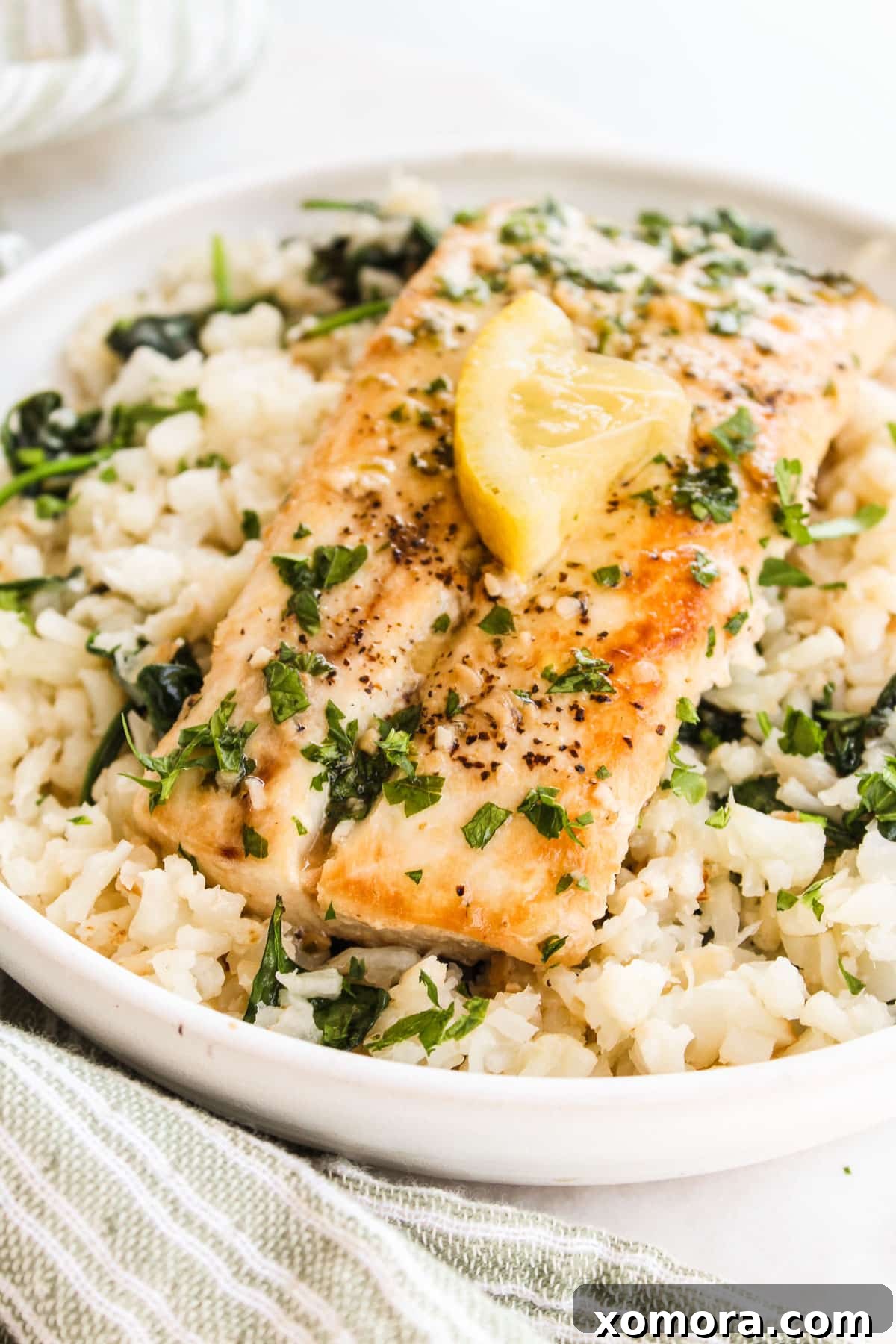
Transform your weeknight dinner into a gourmet experience with this incredibly easy and utterly delicious Sautéed Lemon Butter Mahi Mahi. This dish isn’t just quick, ready in under 20 minutes, it’s also packed with vibrant flavors and looks like it came straight from a high-end restaurant kitchen. Golden-seared mahi mahi fillets are bathed in a light, zesty, and unbelievably fragrant lemon butter sauce, making it the perfect choice for a healthy, impressive, and hassle-free meal.
Why You’ll Fall in Love with This Lemon Butter Mahi Mahi
This recipe is a true game-changer for anyone seeking a quick, healthy, and incredibly flavorful seafood dinner. Inspired by popular light and zesty seafood preparations like Lemon Butter Shrimp, it takes simplicity to a new level without compromising on taste. My own son, a tough critic at eleven years old, declared it “restaurant-worthy!”—and really, what higher praise can a home cook receive?
Here’s why this Sautéed Lemon Butter Mahi Mahi will become a staple in your kitchen:
- Effortlessly Elegant: Despite its sophisticated appearance and incredible flavor, this dish is surprisingly simple to prepare, making it ideal for both busy weeknights and special occasions.
- Lightning Fast: From prep to plate, you can have this exquisite meal ready in less than 20 minutes, proving that healthy and delicious doesn’t have to mean time-consuming.
- Vibrantly Flavorful: The combination of pan-seared mahi mahi with a luscious lemon-garlic butter sauce creates a symphony of fresh, bright, and savory notes that will tantalize your taste buds.
- Healthy & Wholesome: Mahi mahi is a lean protein source, rich in essential nutrients, making this a guilt-free indulgence that supports a balanced diet.
- Family-Friendly Approval: Even picky eaters are often drawn to the mild flavor of mahi mahi and the comforting richness of the lemon butter sauce.
Understanding Mahi Mahi: The Star of Our Dish
Mahi mahi, often referred to as dolphin fish (don’t worry, it’s not the mammal dolphin!), is a fantastic choice for seafood lovers. It’s a lean, firm white fish with a distinctively mild and slightly sweet flavor profile, making it incredibly versatile and appealing to a wide range of palates. Its texture is firm and flaky when cooked, holding up beautifully to various cooking methods like sautéing, grilling, or baking.
The Health Benefits of Mahi Mahi
Beyond its delightful taste, mahi mahi is a nutritional powerhouse. It’s packed with essential vitamins and minerals that contribute significantly to a healthy diet:
- Rich in Selenium: An important antioxidant that helps protect cells from damage and supports immune function.
- Excellent Source of B Vitamins: Particularly B6 and B12, crucial for energy metabolism, nerve function, and red blood cell formation.
- High in Potassium: A vital electrolyte that helps maintain fluid balance, nerve signals, and muscle contractions.
- Abundant in Omega-3 Fatty Acids: Known for their anti-inflammatory properties and benefits for heart health and brain function.
One common concern with larger fish is mercury content. However, mahi mahi appears to be an exception. Due to its relatively shorter lifespan, it typically has low to moderate levels of mercury, making it a safer and healthier option for regular consumption compared to some other large predatory fish.
When preparing mahi mahi, it’s generally recommended to remove the skin before cooking. The skin can be quite thick and tough, and while some prefer to leave it on for grilling, for sautéing, removing it ensures a more tender and pleasant eating experience.
Fresh vs. Frozen Mahi Mahi: Making the Best Choice
Whether you opt for fresh or frozen mahi mahi, this recipe will still yield spectacular results. Your choice often comes down to availability, cost, and personal preference.
Using Frozen Mahi Mahi
Frozen mahi mahi is a fantastic and often more cost-effective option, readily available in most grocery stores. When using frozen fillets, proper thawing is key to maintaining texture and flavor:
- Overnight Thawing: For best results and convenience, transfer the frozen mahi mahi fillets from the freezer to the refrigerator the night before you plan to cook them. This allows for a slow, gentle thaw, preserving the fish’s integrity.
- Quick Thaw Method: If you’re short on time, you can thaw the fish the same day. Keep the fillets in their original vacuum-sealed packaging (or place them in a sealed bag) and submerge them in a bowl of cool water. Change the water every 15-20 minutes to keep it cool. This method typically thaws fillets in about 30 minutes to an hour, depending on their thickness. Avoid using hot water, as it can partially cook the fish and affect its texture.
Once thawed, always pat the fish thoroughly dry with paper towels before cooking to ensure a beautiful sear.
Essential Ingredients for the Perfect Dish
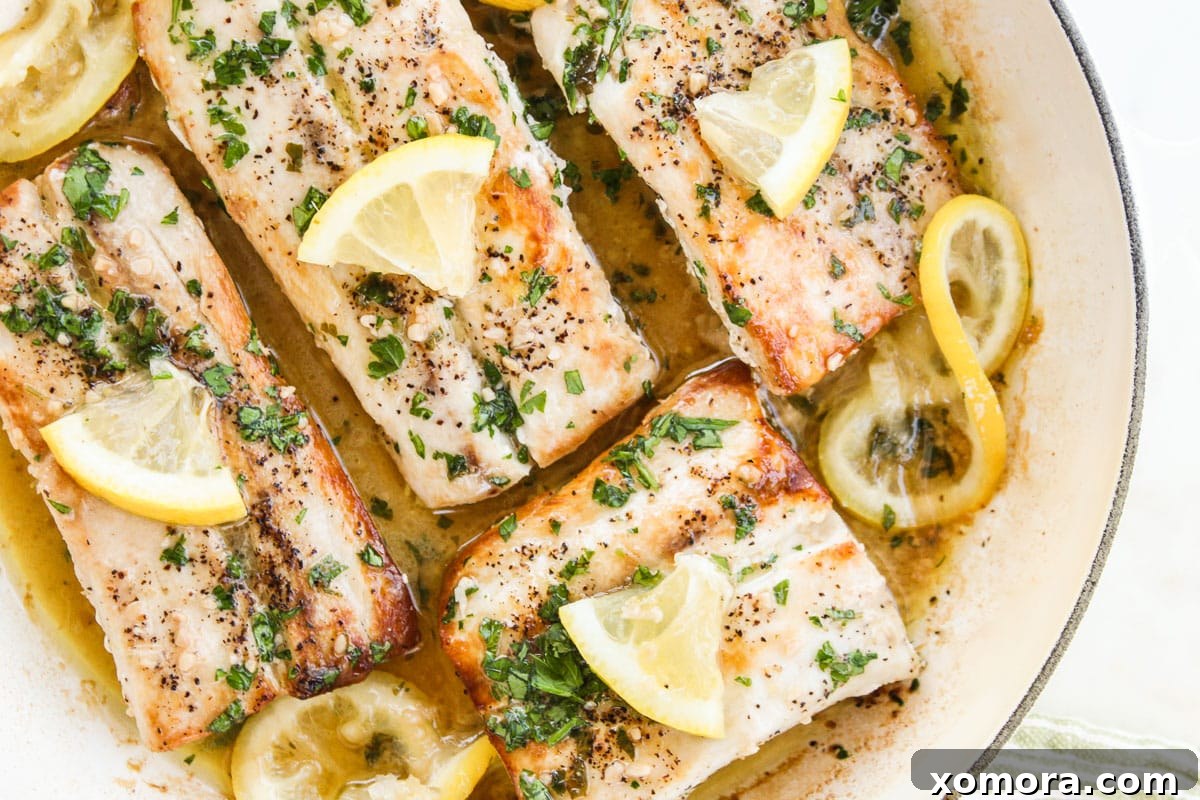
This recipe relies on a handful of simple yet powerful ingredients that come together to create a truly memorable meal. Quality ingredients make a noticeable difference, so choose the freshest you can find.
- Mahi Mahi Fillets: The star of the show! Aim for fillets that are around 6 ounces each and about 1 inch thick for even cooking.
- Olive Oil: Used for sautéing the fish, extra virgin olive oil adds a subtle fruity note and helps achieve that beautiful golden crust.
- Butter (or Ghee/Vegan Butter): The foundation of our rich and silky sauce. Butter provides incredible depth of flavor and a luxurious mouthfeel. Ghee or a good quality vegan butter can be used for dietary alternatives.
- Fresh Lemon Juice: Absolutely essential for the vibrant, zesty flavor that cuts through the richness of the butter. Freshly squeezed lemon juice is paramount here – bottled juice won’t deliver the same brightness.
- Minced Garlic: Adds an aromatic depth and savory kick to the sauce. Freshly minced garlic is always preferred for the best flavor.
- Fresh Parsley: A final flourish of fresh herbs adds color, a hint of peppery freshness, and brightens the overall profile of the dish. Finely chopped flat-leaf (Italian) parsley works wonderfully.
- Salt and Pepper: Simple seasonings that enhance the natural flavors of the fish and tie all the elements of the dish together.
These ingredients, when combined, create a light yet incredibly flavorful sauce that you’ll want to spoon generously over every fillet.
Mastering the Sauté: Tips for Flawless Mahi Mahi
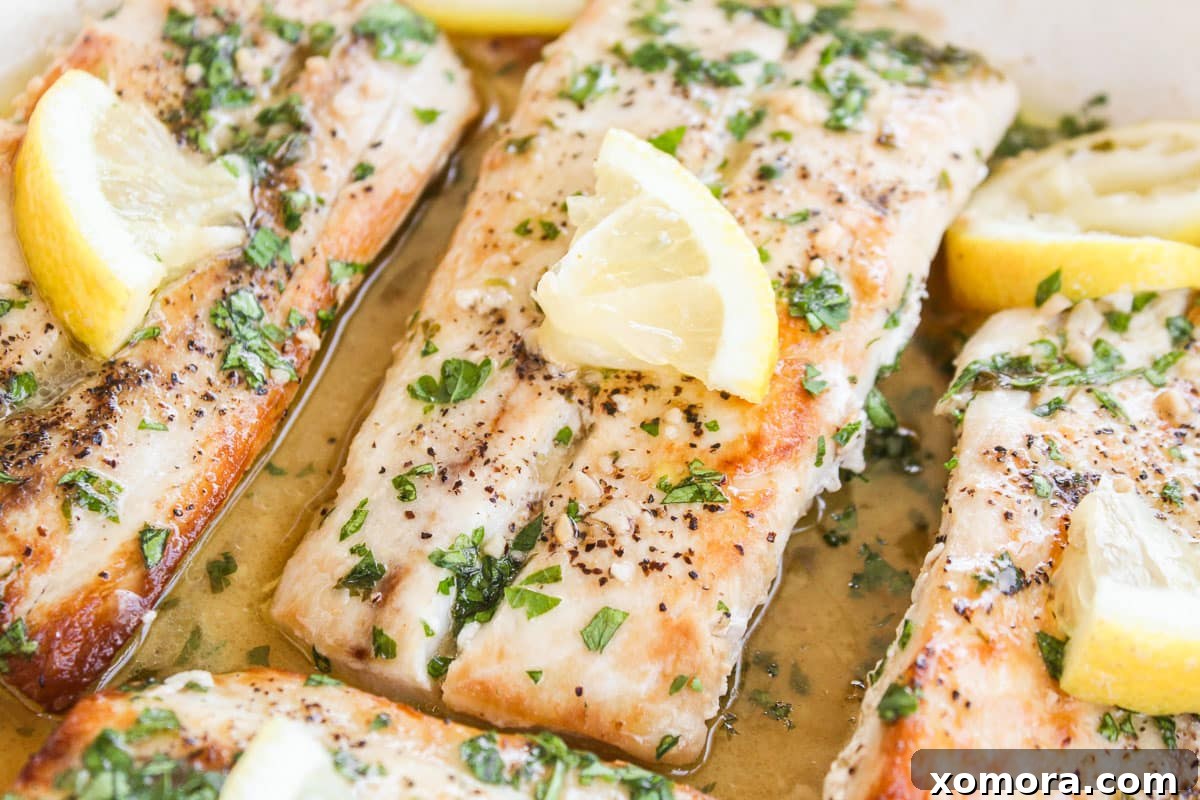
Achieving that perfect golden sear and flaky tenderness when sautéing mahi mahi is simpler than you think. Follow these expert tips to ensure your fish is cooked to perfection every time:
- Choose the Right Fillet Size: Opt for mahi mahi fillets that are consistently around 6 ounces and about 1 inch thick. Thinner fillets will cook much faster and are more prone to drying out. If you have thinner fillets (e.g., 4-ounce portions), be prepared to significantly reduce your cooking times to prevent overcooking.
- Pat Dry, No Exceptions: This is a crucial step that cannot be skipped! Before seasoning or adding to the pan, thoroughly pat the mahi mahi fillets dry with paper towels. Excess moisture on the surface of the fish will steam rather than sear, preventing that desirable golden-brown crust and increasing the chances of the fish sticking to the pan.
- Heat the Oil Properly: Always ensure your olive oil is hot before introducing the fish to the skillet. You should hear a distinct sizzle as soon as the fish touches the pan. This high initial heat helps to create an instant crust, sealing in moisture and preventing sticking. A cold pan will lead to soggy fish.
- Resist the Urge to Flip: Once the mahi mahi is in the hot skillet, let it cook undisturbed for the recommended time (about 4-5 minutes for 6-ounce fillets). Flipping your fish too frequently will prevent it from developing that beautiful golden color and firm crust. It can also cause the delicate flakes of the fish to break apart. Wait until the side touching the pan is visibly golden and has released easily from the pan before carefully turning it over.
- Don’t Overcrowd the Pan: If cooking more than two fillets, work in batches. Overcrowding the skillet will lower the pan’s temperature, leading to steaming instead of searing, and preventing the fish from browning properly.
Crafting the Irresistible Lemon Butter Sauce
The magic of this dish truly comes alive with its simple yet intensely flavorful lemon butter sauce. It’s a testament to how a few high-quality ingredients can create something extraordinary.
After your mahi mahi is perfectly seared, the pan drippings become the foundation for this exquisite sauce. As you reduce the heat, butter melts, combining with the savory remnants from the fish. Fresh lemon juice introduces a bright acidity that cuts through the richness of the butter, elevating the flavor profile and adding a delightful tang. Minced garlic infuses the sauce with a warm, aromatic depth that complements the fish beautifully. A quick stir ensures all these elements emulsify into a light, glossy, and fragrant sauce.
The final touch of fresh parsley, stirred in just after removing the skillet from the heat, adds a burst of freshness and a touch of color, completing the restaurant-quality presentation. This sauce isn’t just a condiment; it’s an integral part of the dish, designed to be spooned generously over each fillet, ensuring every bite is moist, tender, and bursting with flavor.
Can You Use a Different Fish?
Absolutely! While mahi mahi is excellent for its mild flavor and firm texture, this lemon butter sauce and sautéing method are incredibly versatile. Other mild white fish with similar cooking characteristics would work beautifully. Excellent alternatives include:
- Halibut: Known for its firm, flaky white flesh and mild flavor, halibut is a superb substitute that will absorb the lemon butter sauce wonderfully.
- Cod: A popular choice for its delicate flavor and flaky texture, cod fillets will also shine in this preparation.
- Snapper or Grouper: Other firm, white fish varieties that offer a similar mild taste and texture.
When swapping fish, always consider the thickness of the fillets and adjust cooking times accordingly to ensure they are cooked through but not overcooked and dry.
Serving Suggestions to Complement Your Meal
This lemony, buttery mahi mahi is incredibly versatile and pairs well with a variety of sides, allowing you to tailor your meal to your preferences and dietary needs. The goal is to choose accompaniments that complement the light and fresh flavors of the fish without overpowering them.
Classic Pairings:
- Roasted Potatoes or Rice: Simple yet satisfying, a side of fluffy white rice, brown rice, or crispy roasted potatoes makes a perfect canvas for soaking up that delicious lemon butter sauce.
- Green Vegetables: A crisp green vegetable adds color, nutrients, and a refreshing contrast. Consider options like steamed asparagus, green beans, or broccoli. My Herb Roasted Brussels Sprouts and Broccoli would be an excellent, flavorful choice.
Pasta Perfection:
If you’re a pasta lover, serving this mahi mahi over angel hair pasta is an absolute delight. The delicate strands of angel hair are light enough not to compete with the subtle flavors of the fish and sauce, allowing them to truly shine. Avoid thicker, heartier pastas, as their robust texture and flavor can easily overpower this elegant dish.
Low-Carb & Veggie-Packed Options:
For a lighter, low-carb, or paleo-friendly meal, consider these fantastic alternatives:
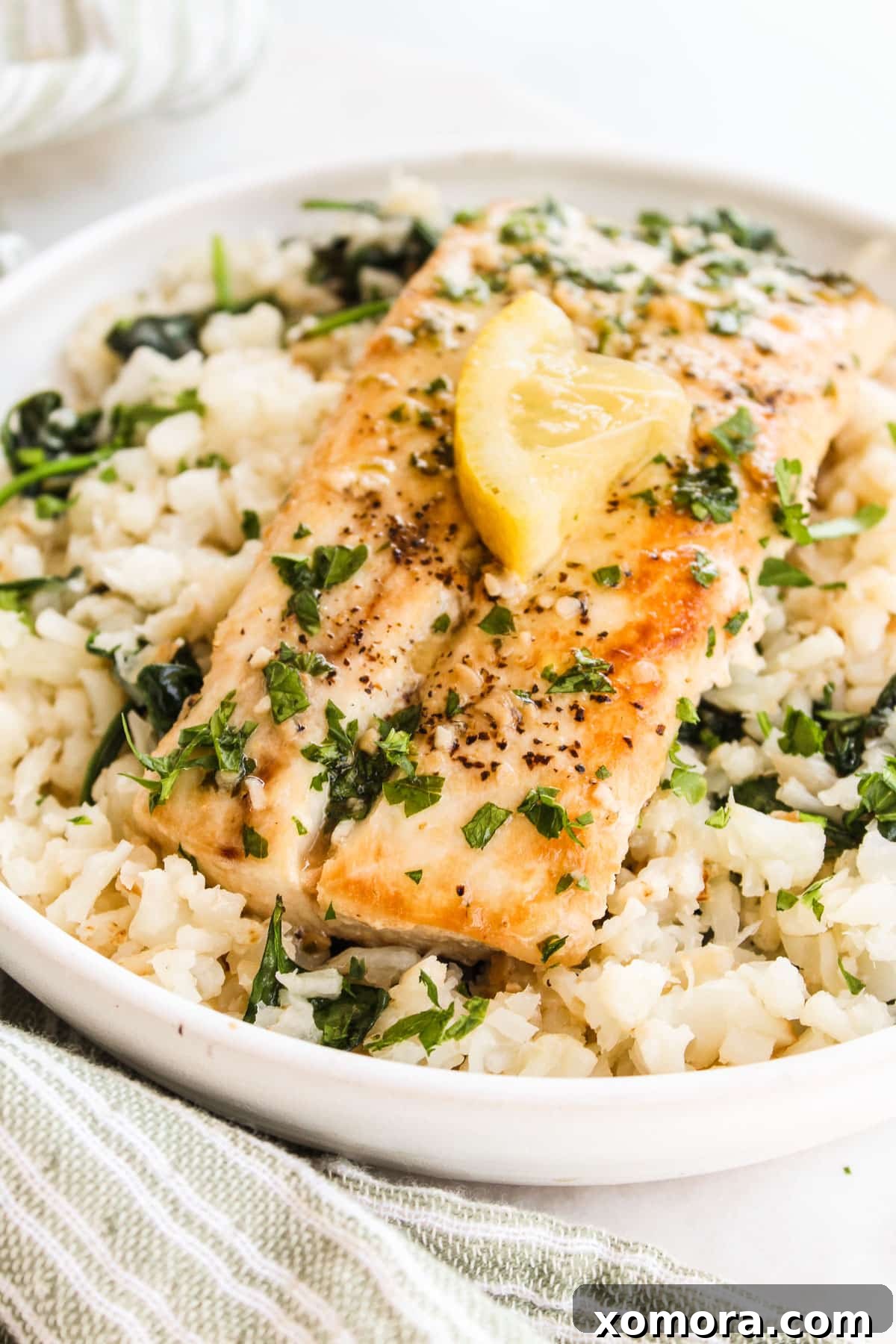
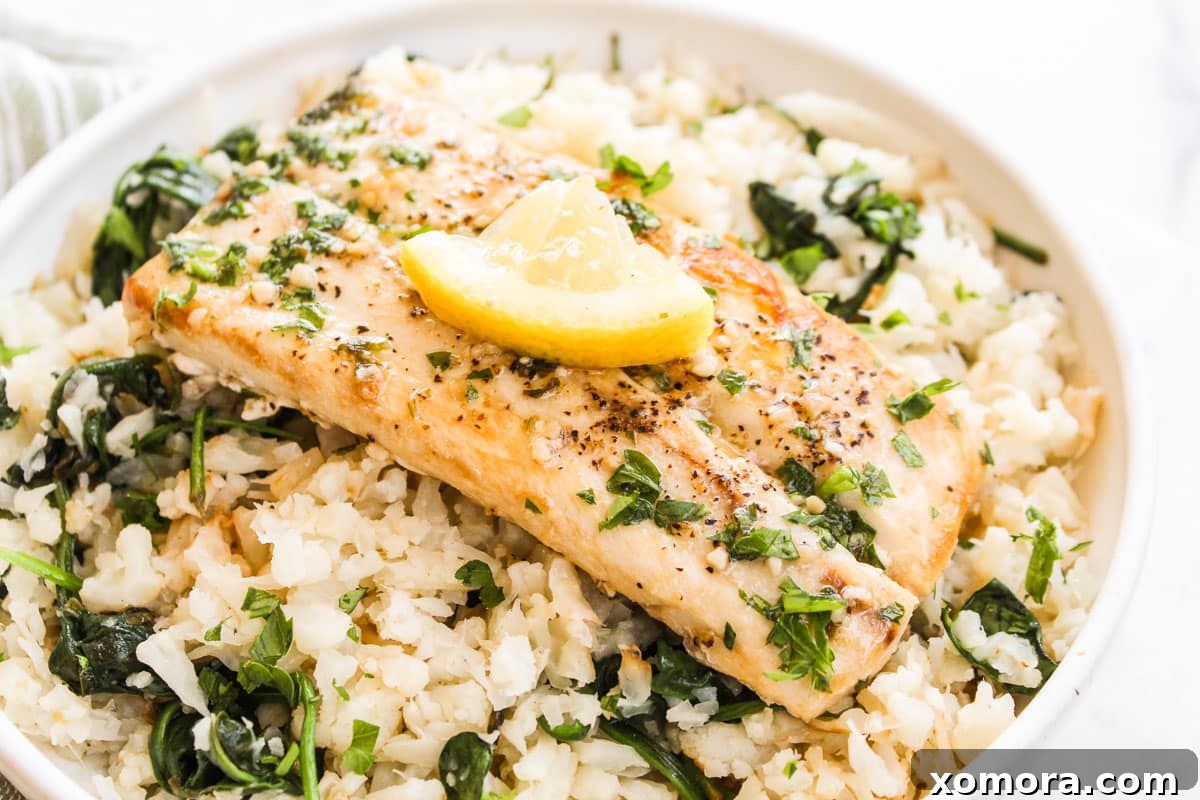
- Sautéed Cauliflower Rice with Spinach: As pictured, this is a phenomenal pairing. To make it, simply sauté cauliflower rice in a little olive oil until softened. In the last few minutes, stir in two generous handfuls of fresh spinach until wilted. Season with a pinch of salt and garlic powder for a simple yet incredibly flavorful side.
- Zucchini Noodles or Asparagus Ribbons: These offer a fresh, tender base that beautifully soaks up the lemon butter sauce.
- Simple Green Salad: A light, crisp salad with a vinaigrette dressing provides a refreshing counterpoint to the rich sauce.
No matter your choice, ensure your side dishes are prepared simply to let the star of the plate—your perfectly cooked lemon butter mahi mahi—truly shine.
Storing and Reheating Leftovers
While this dish is best enjoyed fresh, any leftovers can be stored and reheated for another delicious meal. Proper storage ensures both safety and quality.
- Refrigeration: Place any leftover Sautéed Lemon Butter Mahi Mahi in an airtight container and refrigerate promptly. It will stay fresh and delicious for up to 3 days.
- Freezing: For longer storage, this dish freezes well for up to 4 months. Ensure the fish and sauce are cooled completely before transferring them to a freezer-safe, airtight container.
- Reheating:
- From Refrigerator: Gently reheat the mahi mahi in a skillet over low heat or in the microwave until just warmed through. Be careful not to overcook, as fish can dry out quickly.
- From Frozen: Thaw the frozen mahi mahi in the refrigerator overnight. Reheat as you would refrigerated leftovers. You may find that the sauce has thickened or absorbed into the fish a bit, so adding a splash of fresh lemon juice or a small pat of butter during reheating can help revive its moisture and flavor.
Frequently Asked Questions About Mahi Mahi
Here are answers to some common questions to help you master this delicious mahi mahi recipe:
How do I know when mahi mahi is cooked through?
Mahi mahi is cooked when it flakes easily with a fork and its flesh turns opaque throughout. The internal temperature should reach 145°F (63°C). Be careful not to overcook, as it can quickly become dry.
Can I grill or bake mahi mahi instead of sautéing?
Yes, mahi mahi is versatile! For grilling, brush fillets with a little oil and season, then grill over medium-high heat for 3-5 minutes per side until flaky. For baking, preheat oven to 400°F (200°C), place seasoned fillets on a baking sheet, and bake for 10-15 minutes, or until cooked through. The lemon butter sauce can be made separately and poured over after cooking.
What if I don’t have fresh parsley?
While fresh parsley offers the best flavor and vibrant color, you can use a small amount of dried parsley (about 1 teaspoon for every tablespoon of fresh) in a pinch, adding it with the garlic. Other fresh herbs like dill or chives would also be lovely additions if you have them.
Can I make this recipe dairy-free?
Absolutely! Simply substitute the butter with an equal amount of ghee (clarified butter, which is lactose-free) or a good quality vegan butter. The flavor profile will still be fantastic.
How can I make the sauce thicker or thinner?
If you prefer a thicker sauce, you can whisk in a tiny pinch of cornstarch mixed with a tablespoon of water after adding the lemon juice, bringing it to a brief simmer. For a thinner sauce, simply add a tablespoon or two of vegetable broth or white wine.
More Delicious Seafood Recipes to Explore:
Pistachio Herb Crusted Salmon with Asparagus
Tomato Basil Cod with Broccoli
Garlic Shrimp Stir-Fry
Sheet Pan Lemon Herb Salmon & Veggies
Pan Seared Chipotle Lime Salmon
Sheet Pan Greek Shrimp & Broccoli
Sautéed Lemon Butter Mahi Mahi
Christina
5
10
15
4
servings
Pin Recipe
Rate Recipe
Ingredients
- 4 6-oz mahi mahi fillets
- 1/2 tsp salt
- 1/2 tsp black pepper
- 2 tbsp olive oil, extra virgin
- 1/4 cup butter, ghee, or vegan butter
- 2 tbsp lemon juice
- 2 tsp garlic, minced
- 2 tbsp fresh parsley, finely chopped
Instructions
-
Use paper towels to pat the mahi mahi fillets dry.
-
Sprinkle the top and bottom of the mahi mahi with salt and pepper.
-
Add the oil to a large skillet over medium-high heat. Once hot, carefully add each fillet to the skillet. Let the fish cook until the side touching the bottom of the pan is a beautiful golden color, about 4 to 5 minutes depending on the size of the fillets.
-
Carefully flip the mahi mahi. Reduce the heat to medium-low. Add the butter, lemon juice, and garlic. Give the sauce a stir so that it’s combined. Cover and let the mahi mahi cook until it flakes easily with a fork, 3 to 4 minutes.
-
Remove the skillet from the heat. Stir the parsley into the sauce and spoon the sauce over the mahi mahi.
Notes
Nutrition
Calories: 313kcal,
Carbohydrates: 1g,
Protein: 32g,
Fat: 20g,
Saturated Fat: 9g,
Polyunsaturated Fat: 1g,
Monounsaturated Fat: 8g,
Trans Fat: 1g,
Cholesterol: 155mg,
Sodium: 543mg,
Potassium: 739mg,
Fiber: 1g,
Sugar: 1g,
Vitamin A: 831IU,
Vitamin C: 6mg,
Calcium: 36mg,
Iron: 2mg
Nutrition information is automatically calculated, so should only be used as an approximation.
Like this? Leave a comment below!