
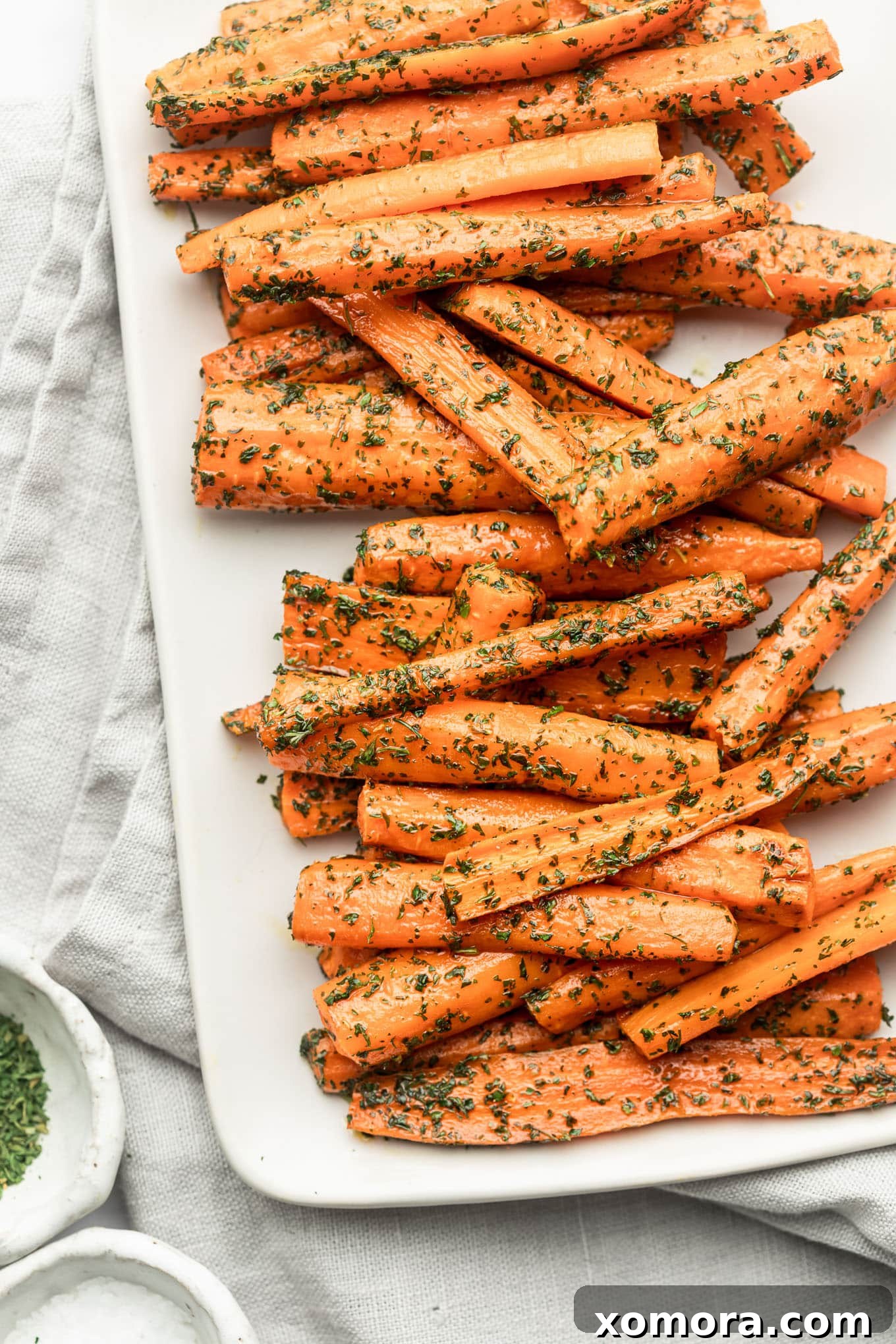
The Ultimate Ghee Roasted Carrots with Parsley: A Simple & Sweet Side Dish
Prepare to fall in love with roasted carrots all over again! These simple yet exquisite carrots are transformed into a culinary delight when roasted to tender perfection, bringing out their natural sweetness that even the pickiest eaters will adore. This recipe champions ease and flavor, proving that the most delicious dishes often require the fewest ingredients and minimal effort. If you’re searching for a healthy, vibrant, and incredibly satisfying side that comes together in a flash, you’ve just found your new go-to.
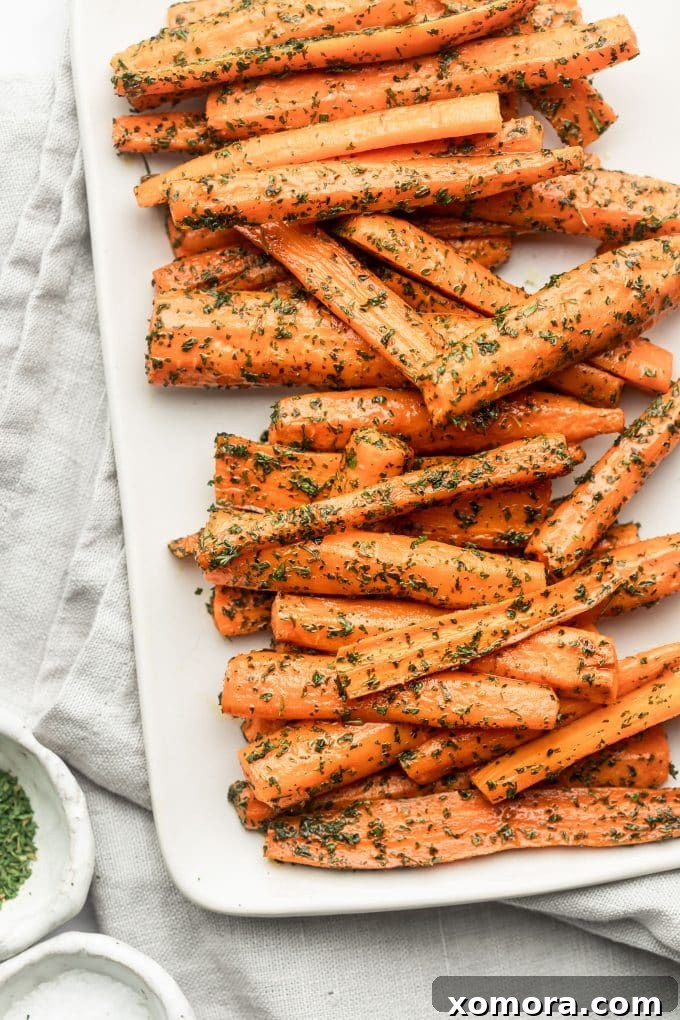
It’s hard to imagine a vegetable that unlocks more inherent sweetness through roasting than carrots. This simple cooking method caramelizes their natural sugars, turning them into what many affectionately call “the candy of the veggie family.” While my toddler might still believe that Roasted Brussels Sprouts are the real sweet treat (and who am I to argue?), there’s an undeniable magic in how roasting elevates the humble carrot. What truly sets this recipe apart, however, is the use of ghee, which not only enhances this natural sweetness but also adds an incredible depth of flavor and a beautiful golden hue.
Why Ghee Makes All the Difference in Your Roasted Vegetables
If you’re new to the world of ghee, prepare for a delightful culinary discovery! Ghee, also known as clarified butter, is a staple in Indian cuisine and increasingly popular worldwide for its unique properties. It’s made by simmering butter to separate the milk solids and water, leaving behind a pure butterfat. This meticulous process provides several benefits that make it superior for roasting vegetables.
Firstly, ghee has a much higher smoke point (around 450-480°F or 232-250°C) compared to regular butter (around 302-350°F or 150-177°C) or even many olive oils. This means you can roast your carrots at high temperatures without the fat burning and imparting an unpleasant taste. Secondly, its distinctively rich, nutty, and slightly sweet flavor profile beautifully complements the natural earthiness and sweetness of carrots. This depth of flavor is something traditional butter or olive oil simply can’t replicate, making your roasted carrots truly stand out.
While I’ve certainly resorted to traditional butter or even olive oil when ghee wasn’t available, and the results were still tasty, the difference with ghee is genuinely remarkable. It imparts a unique depth and a subtle aromatic quality that elevates the dish from good to absolutely outstanding. This isn’t just a preference; it’s a game-changer for your roasted vegetables. Ghee is also naturally lactose-free and casein-free, making it a wonderful option for those with dairy sensitivities who still crave that rich, buttery flavor without digestive discomfort.
A Minimalist Approach to Maximum Flavor: Quick and Effortless
One of the most appealing aspects of this roasted carrot recipe is its incredible simplicity and efficiency. With minimal prep time and a shockingly short ingredient list – just four essentials! – it’s the perfect solution for busy weeknights or when you need a reliable, healthy side dish in a hurry. The entire process, from peeling to serving, takes less than an hour, making it an ideal choice for any home cook. I find myself making these carrots almost weekly, simply because the ingredients are always on hand, and the process is so straightforward. It’s a testament to how humble ingredients, when prepared thoughtfully, can create extraordinary flavor with minimal fuss.
Gather Your Simple Ingredients for This Delightful Side
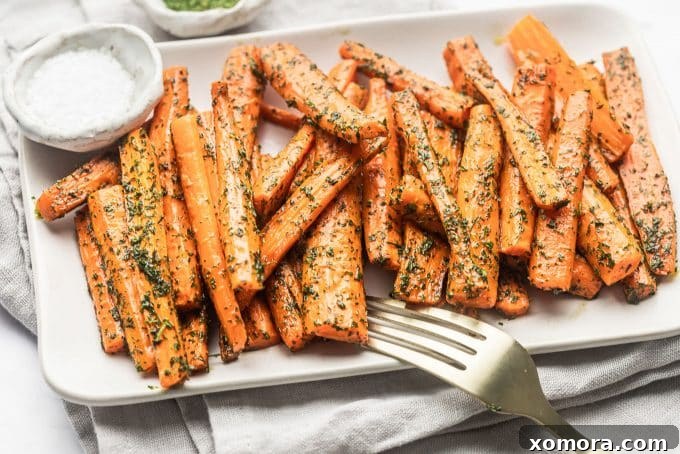
The beauty of this recipe lies in its elegant simplicity. You’ll only need a handful of readily available items to create this spectacular side dish. Each ingredient plays a crucial role in delivering the perfect balance of flavor and texture. (A full list with precise measurements and detailed instructions can be found in the comprehensive recipe card below):
- Carrots: The vibrant heart of our recipe. Choose firm, fresh carrots with a bright color. While any type works, larger carrots are often easier to peel and cut into uniform sticks.
- Ghee or Butter: Our primary fat for roasting. As discussed, ghee is highly recommended for its superior flavor and high smoke point, which contributes to beautiful caramelization. If using butter, opt for unsalted to control the overall sodium content.
- Dried Parsley: This classic herb adds a pop of fresh, slightly peppery flavor and a beautiful green garnish, contrasting wonderfully with the sweet, earthy carrots.
- Salt: A fundamental seasoning that doesn’t just add saltiness but also amplifies the natural sweetness of the carrots and balances all the other flavors. Use a good quality sea salt or kosher salt.
The Path to Perfectly Roasted Carrots: Mastering Key Techniques
Achieving those coveted, perfectly tender-crisp, and beautifully caramelized roasted carrots is simpler than you might think. By following a few essential tips, you can ensure a successful batch every single time, transforming basic root vegetables into a gourmet side dish:
- Always Use Fresh Carrots: This is non-negotiable for optimal flavor and texture. Frozen carrots contain too much water, which prevents proper caramelization and results in a mushy, unappetizing texture. Fresh carrots maintain their structural integrity and develop that delightful sweet crunch and vibrant color.
- Don’t Overcrowd Your Pan: This is perhaps the most crucial rule for any roasted vegetable. When vegetables are piled on top of each other, they essentially steam rather than roast. Overcrowding inhibits the Maillard reaction, the chemical process responsible for the delicious browning and complex flavors. A single layer ensures each carrot piece has direct contact with the hot baking sheet, allowing for even browning and delicious caramelization. If you have a lot of carrots, use two separate sheet pans.
- Ensure Uniform Sizing: Cut your carrots into roughly the same size and shape. This is vital for even cooking. If some pieces are tiny and others are large, you’ll end up with a mix of burnt and undercooked carrots. For this recipe, aiming for sticks approximately 2 1/2 – 3 inches long and 1/2 – 1 inch wide ensures that all pieces cook uniformly to tender perfection.
- Don’t Skimp on the Cooking Fat: The fat (ghee or butter) is not just a flavor enhancer but also essential for facilitating the roasting process. It helps conduct heat efficiently, promoting even browning and caramelization, and contributes to the overall richness and mouthfeel of the dish. A generous coating ensures every piece is deliciously tender on the inside and slightly crisp and golden on the outside.
- Roast at a High Temperature: High heat (I prefer 400-425 degrees Fahrenheit or 200-220°C for most vegetables) is the secret to achieving that beautiful caramelization and a tender interior without drying out the carrots. High temperatures rapidly cook the exterior, locking in moisture and intensifying flavors through the Maillard reaction.
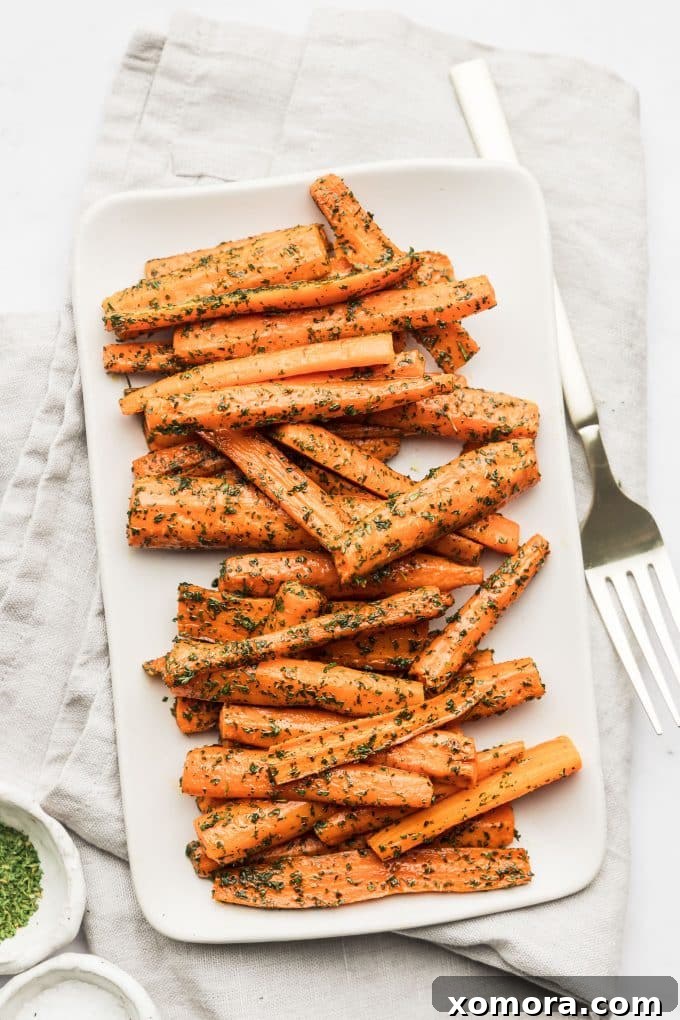
Customizing Your Roasted Carrots: Herb and Spice Variations
While dried parsley provides a classic and universally loved flavor, these roasted carrots are incredibly versatile and welcome a variety of herbal and spice additions. Feel free to experiment based on your preferences or what you have on hand, transforming this simple recipe into something new with each try:
Can you use a different herb? Absolutely! Dried oregano or dried basil would be excellent choices, lending a Mediterranean or Italian twist. For a more robust and aromatic flavor, finely chopped fresh rosemary added before roasting is wonderful. Thyme is another fantastic option that pairs beautifully with the inherent sweetness of carrots. Consider a sprinkle of dill for a lighter, fresher profile.
Can you use fresh parsley instead of dried? Yes, you certainly can! If you have fresh parsley in your fridge that needs to be used, don’t hesitate. It will add a brighter, more vibrant flavor and color. Keep in mind that dried herbs are generally more potent and concentrated in flavor than fresh herbs. As a general rule, you’ll need to use about three times the amount of fresh herbs compared to dried. For this recipe, if substituting fresh parsley for dried, I would suggest at least 3 tablespoons, finely chopped. To preserve its vibrant color and delicate flavor, add fresh parsley towards the end of the roasting process, during the last 5 minutes, or simply sprinkle it over the hot carrots just before serving.
Beyond herbs, consider a pinch of garlic powder or onion powder for added savory depth, or a touch of smoked paprika for a hint of warmth, subtle smokiness, and beautiful color. For an even sweeter, more decadent treat, a drizzle of maple syrup or honey during the last few minutes of roasting can amplify their natural sugars and create a delightful glaze.
Serving Suggestions, Storage, and Reheating Tips
These perfectly roasted carrots make a fantastic accompaniment to a wide array of main courses. Their sweet and savory profile means they complement almost anything on your plate. They pair beautifully with a classic roast chicken or turkey, complement a juicy pan-seared steak, or add a burst of color and flavor to baked fish. For a vegetarian meal, they are excellent alongside lentil loaf, quinoa, couscous, or as part of a larger roasted vegetable medley. Their natural sweetness also makes them a surprisingly delightful addition to lunchboxes or a healthy snack.
Storage: Leftover roasted carrots can be stored in an airtight container in the refrigerator for up to 3-4 days. They are delicious cold, often maintaining a delightful chewiness, but can also be gently reheated.
Reheating: To reheat, spread the carrots on a baking sheet and warm them in a preheated oven at 350°F (175°C) for 10-15 minutes, or until heated through. This method helps them regain some of their original texture and crispness. Alternatively, you can reheat them quickly in a microwave, though they may become a bit softer and lose some of their roasted texture.
More easy side dishes you might love:
Lemon & Thyme Roasted Carrots
Garlic Green Beans
Roasted Brussels Sprouts
Easy Diced Air Fryer Potatoes
Spicy Roasted Broccoli
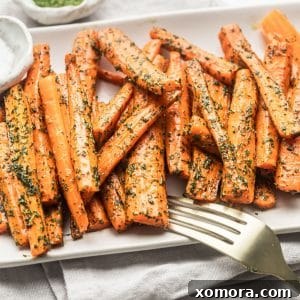
Roasted Parsley Carrots
By Christina
These carrots are roasted until perfectly tender, naturally sweet, and so easy to throw together. Even kids love them! A wholesome and incredibly flavorful side dish.
10 mins
30 mins
40 mins
6 people
Ingredients
- 1 lb whole carrots, peeled and cut into sticks
- 2 tbsp ghee or unsalted butter
- Salt to taste (approximately 1/2 to 1 teaspoon)
- 1 1/2 tbsp dried parsley (or 3-4 tbsp fresh, finely chopped)
Instructions
- Preheat your oven to 400 degrees Fahrenheit (200°C).
- Prepare the carrots: Peel them and cut into uniform sticks, roughly 2 1/2 – 3 inches long and 1/2 – 1 inch wide. Uniformity ensures even cooking.
- Arrange the prepared carrots in a single layer on a large baking sheet. Ensure the pan is not overcrowded; use a second sheet if necessary to allow for proper roasting.
- Dot the ghee (or butter) over the carrots. It will melt and evenly coat the carrots as they roast. Sprinkle generously with salt according to your preference.
- Bake for 25-30 minutes, or until the carrots are tender when pierced with a fork and exhibit beautiful browning and slight caramelization at the edges.
- Remove the baking sheet from the oven. Sprinkle the dried parsley over the hot carrots, tossing gently to combine. Serve immediately and enjoy!
Nutrition Information (per serving, approximate)
Calories:
75kcal
Carbohydrates:
7g
Fat:
5g
Saturated Fat:
3g
Cholesterol:
12mg
Sodium:
54mg
Potassium:
252mg
Fiber:
2g
Sugar:
3g
Vitamin A:
12630IU
Vitamin C:
5mg
Calcium:
30mg
Iron:
0.3mg
Nutrition information is automatically calculated, so should only be used as an approximation.