
Mastering Whole30 Dining: Your Ultimate Restaurant Survival Guide
Embarking on a Whole30 journey can feel incredibly liberating, bringing newfound awareness about the foods we consume and how they impact our bodies. However, the prospect of eating out while adhering to strict Whole30 guidelines often feels daunting, even intimidating, for many. And I completely understand why.
Once you start diligently reading labels and understanding ingredients, it becomes alarmingly clear how sugar, soy, and other non-compliant additives are cleverly hidden in countless everyday products. These ingredients, of course, are strictly off-limits during your transformative 30 days on the program. Another major concern for diners is the types of cooking fats restaurants typically use. Commercial kitchens prioritize flavor, cost-effectiveness, and speed, often leading to the liberal use of butter, vegetable oils, and other non-compliant fats in nearly everything.
If you’re someone who feels uncomfortable asking detailed questions or making specific requests when ordering, navigating restaurant menus on Whole30 will undoubtedly present a significant challenge. And let’s be honest, unless you frequent an establishment that specializes in organic, health-conscious, or allergen-friendly cuisine, the dining experience might not live up to the spectacular, carefully curated meals you prepare in your own Whole30-friendly kitchen.
Why Eating Out on Whole30 Is Not Only Possible, But Essential
While the benefits of home-cooked Whole30 meals are undeniable, the reality is that preparing every single meal at home for 30 consecutive days can be exhausting. It generates an enormous pile of dishes and sometimes leads to a feeling of isolation. Sometimes, you simply need a break from kitchen duties, a change of scenery, or a reason to get dressed up and enjoy social interaction. Life doesn’t stop for Whole30, and neither should your social engagements. So, let’s agree: enjoying an occasional meal out is not just permissible; it can be a vital component of a sustainable Whole30 experience.
The Golden Rule: Preparation Paves the Way for Whole30 Restaurant Success
If there’s one piece of advice I can impart, it’s this: the more prepared you are, the more successful and enjoyable your Whole30 dining experience will be. This isn’t just a suggestion; it’s a non-negotiable strategy. A little proactive effort can transform a potentially frustrating meal into a satisfying and compliant one. Don’t leave your dining success to chance. You certainly don’t want to end up feeling hungry, irritated, and regretful that you spent your hard-earned money on an underwhelming or non-compliant meal.
Essential Strategies for Whole30 Restaurant Dining
Before you even step out the door, arm yourself with knowledge and tools:
1. Research Before You Go
In today’s digital age, most restaurants have online menus, often including ingredient lists or allergen information. Take advantage of this! Visit their website, browse the menu, and try to identify dishes that seem Whole30-friendly or easily modifiable. Plan your order in advance, thinking about potential substitutions or additions that would make your meal compliant and more satisfying. A quick call to the restaurant during off-peak hours can also provide invaluable insights into their cooking practices and willingness to accommodate dietary requests.
2. Communicate Clearly and Confidently with Staff
When you arrive, politely inform your server about your dietary restrictions. Clearly explain that you are avoiding sugar, grains, dairy, soy, and legumes. Emphasize that you need dishes cooked without butter, vegetable oils, or any added sweeteners. Don’t be shy about asking specific questions, such as “Is this grilled chicken cooked with oil or butter?” or “What kind of dressing is on the salad, and can I get olive oil and vinegar instead?” Most reputable establishments are accustomed to dietary requests and will be happy to assist you.
3. Be Your Own Best Friend: Bring Your Essentials
This tip might feel a little unconventional at first, but it is a game-changer for Whole30 dining. Anticipate potential shortcomings in restaurant offerings and bridge the gap with your own compliant additions. For instance, if you’re ordering a salad, bring your own compliant dressing (like an Easy Ranch Dressing or Cilantro Citrus Vinaigrette) or extra toppings like pre-sliced avocado, grilled onions/peppers, or even a handful of raisins (in moderation, if allowed for your personal Whole30). If your friends are heading to a Mexican restaurant and you’re dreading watching them enjoy chips and queso, bring a small bag of compliant plantain chips to enjoy with guacamole or salsa. This simple act can transform your experience, making you feel included and satisfied rather than deprived.
4. Understand Hidden Ingredients and Cross-Contamination
Be aware that sugar can be found in unexpected places, from marinades and sauces to spice rubs and even some processed meats. Always inquire about how proteins are seasoned and cooked. Similarly, while asking for no butter is crucial, also ask about other cooking oils. Avoid anything fried, as it’s almost certainly cooked in non-compliant vegetable oils. For baked potatoes, assume they add butter unless you specifically request otherwise.
Restaurant-Specific Whole30 Survival Guides
Let’s break down how to navigate some common restaurant types, ensuring you can enjoy a meal out without compromising your Whole30 commitment.
Breakfast & Brunch Spots: A Simple Start
Breakfast restaurants are often among the easiest to navigate. Focus on whole, unprocessed items. Order eggs scrambled with a splash of water (instead of milk or butter) or fried without butter. Fresh fruit is almost always a safe bet. Diced or roasted potatoes can be compliant if you inquire about their preparation—ensure they’re not cooked in non-compliant oils or butter, and contain no added sugar. Unfortunately, commercially prepared bacon is almost certainly cured with sugar, so it’s best to skip it unless the restaurant explicitly states they use a sugar-free variety, which is rare. Focus on plenty of eggs and fruit for a filling meal.
Steakhouses: Your Whole30 Sanctuary
Steakhouses are, hands down, one of the best choices for Whole30 diners. They are typically well-accustomed to special requests and understand the concept of simple, clean preparation. Opt for a grilled steak, chicken, or fish, explicitly requesting no butter or non-compliant oils during cooking or as a finishing touch. For sides, steamed vegetables like broccoli, asparagus, or a plain vegetable medley are excellent choices, again, requesting no butter. A side salad with a simple oil and vinegar dressing (or your own brought-from-home dressing) completes the meal perfectly. It truly is that simple.
Mexican Restaurants: Spice Up Your Whole30
Mexican cuisine can be a surprising favorite for Whole30, especially with a little preparation. Remember that essential tip: bring plantain chips! Seriously, it drastically improves the experience. While you might feel a touch silly the first time, you’ll be profoundly grateful when everyone else is shoveling chips and salsa, and you’re enjoying your own compliant version. Use those plantain chips with delicious fresh salsa or a generous serving of guacamole. Inquire about how their proteins are prepared. Often, a large salad topped with grilled chicken or steak, onions, peppers (if prepared without butter/oil), pico de gallo, avocado, and salsa makes for a satisfying and flavorful meal. Many spicy salsas can double as a fantastic dressing. Chicken or steak fajitas (without the tortillas, obviously!) can also work if the meat and vegetables are grilled without butter. Ask for lettuce wraps instead of tortillas, and load them up with pico de gallo, guacamole, and salsa.
Burger Joints: Bun-less & Brilliant
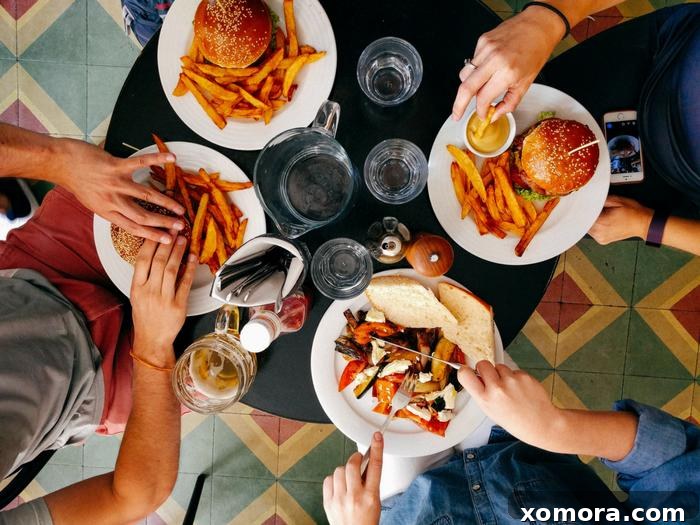
Yes, you can absolutely enjoy a burger on Whole30! You’ll need to bypass the fries, but if you can manage to sit beside someone enjoying them, then a burger joint is entirely doable. Order a double burger patty, bun-less. Ask for it wrapped in large lettuce leaves or simply eat it with a knife and fork. Absolutely no cheese, ketchup (full of sugar!), or sugary sauces. Good compliant toppings include mustard (check ingredients, but most are fine), fried eggs, sliced avocado, onions, and pickles. Higher-end burger establishments might even offer Whole30-compliant sides like a steamed vegetable, fresh fruit, or a simple side salad (again, bring your own dressing). If it’s a strictly burger-and-fries kind of place, be proactive and bring your own side salad or fruit to ensure a complete and satisfying meal.
BBQ Restaurants: Navigating the Sweet & Smoky
Hold your horses before you start jumping for joy at the thought of BBQ. It’s highly, highly unlikely that any BBQ sauce offered at these establishments will be sugar-free. Consider that bubble thoroughly burst. But don’t despair! There are still excellent options. Focus on the grilled, smoked, or roasted meat itself, asking specifically if they use a compliant seasoning rub. Many places offer un-sauced meats. The true gem of a good BBQ restaurant often lies in its sides. You might find a plain baked potato (or even a sweet potato, if available). Request no butter or sour cream. If you’re truly prepared, bringing your own small container of ghee for that baked potato will make you incredibly happy. Steamed vegetables are also a common and excellent offering; just be sure to request no butter is poured over them after steaming.
Asian Cuisine: A Careful Approach
Navigating Asian restaurants on Whole30 requires significant vigilance, but it’s not impossible. The primary challenges are soy sauce, sugar in sauces (teriyaki, sweet and sour, peanut sauce), and non-compliant oils. Focus on simple grilled or steamed proteins (chicken, beef, shrimp) with plain steamed vegetables. Ask for your dish to be cooked with no sauce, no soy sauce, and no added sugar or oils. You might ask for a side of plain white rice (if you’re okay with the “reintroduction” mindset for non-compliant foods after Whole30, or simply avoid it if strictly adhering) and just eat the protein and vegetables. Better yet, bring your own compliant coconut aminos to use as a soy sauce substitute. Dishes like sashimi (plain raw fish) can be a good option if you ensure no added sauces or marinades.
Italian Restaurants: The Mediterranean Challenge
Italian restaurants are often tricky due to pasta, bread, cheese, and sugar in tomato sauces. However, you can still find options. Focus on grilled meats or fish (like grilled chicken or salmon) with a side of steamed vegetables, again, requesting no butter or oil. Many Italian places offer large salads; ask for one with grilled protein, no croutons, and a simple oil and vinegar dressing. Be cautious of tomato sauces, as they often contain sugar; ask if they can prepare a simple marinara without added sugar, or just stick to plain grilled options.
General Dining & Salads: Your Anytime Option
When all else fails, or when dining at a restaurant type not specifically covered above, you can almost always fall back on a substantial salad as your entree. Request grilled chicken, steak, or fish, but always double-check on their seasoning to ensure no hidden sugars. Load up on compliant vegetables like tomatoes, onions, cucumbers, and any other available options. Don’t hesitate to ask for extra servings of vegetables. If you’re fortunate, you might find additional compliant toppings like avocado or hard-boiled eggs. If the toppings seem limited, be prepared by bringing items from home, such as a small container of pre-sliced avocado or a handful of nuts/seeds (if you’ve cleared them for your Whole30 journey) to make your salad more substantial and filling. And, as always, bring your own dressing!
Beyond the Meal: Enjoying Your Experience
Remember, Whole30 is about so much more than just the food on your plate. It’s about reconnecting with your body, understanding your cravings, and building healthier habits. Eating out on Whole30 offers a unique opportunity to practice mindfulness and self-advocacy. By preparing, communicating, and making smart choices, you can fully participate in social dining experiences without feeling deprived or compromising your progress. Embrace the challenge as an opportunity to grow and refine your skills in navigating the real world with your new food freedom.
Conclusion: Empower Your Whole30 Journey
There you have it! The definitive guide to eating out on Whole30. We’ve learned that dining outside your home kitchen is not only possible but can be a thoroughly enjoyable and compliant experience. The keys to success are simple: thorough preparation, confident questioning, and polite yet firm requests. You will survive, and more importantly, you will eat well, feeling empowered and proud of your commitment to your health journey. Don’t let the thought of dining out derail your Whole30; instead, let it be another testament to your dedication and resourcefulness.
For quick tips on the go, check out this easy graphic: Eating Out on Whole 30: Quick Tips, designed to help you find compliant meal options when you’re on the move!
Looking for more delicious Whole30 recipes to master at home?
We’ve got you covered with an extensive collection of palate-pleasing dishes to keep your Whole30 journey exciting and flavorful. Dive into these fantastic resources:
- Discover a vast selection with 250 Whole30 Recipes You Will Love
- Indulge in comforting classics redesigned for Whole30 with 21 Whole30 Comfort Food Recipes
- Satisfy your cravings healthily with 30+ Healthy Whole30 & Paleo Snacks
- Plan your evenings with ease using 85 Must Make Whole30 & Paleo Dinners
- Explore a curated collection of favorites in 105 of the Best Whole30 Recipes