
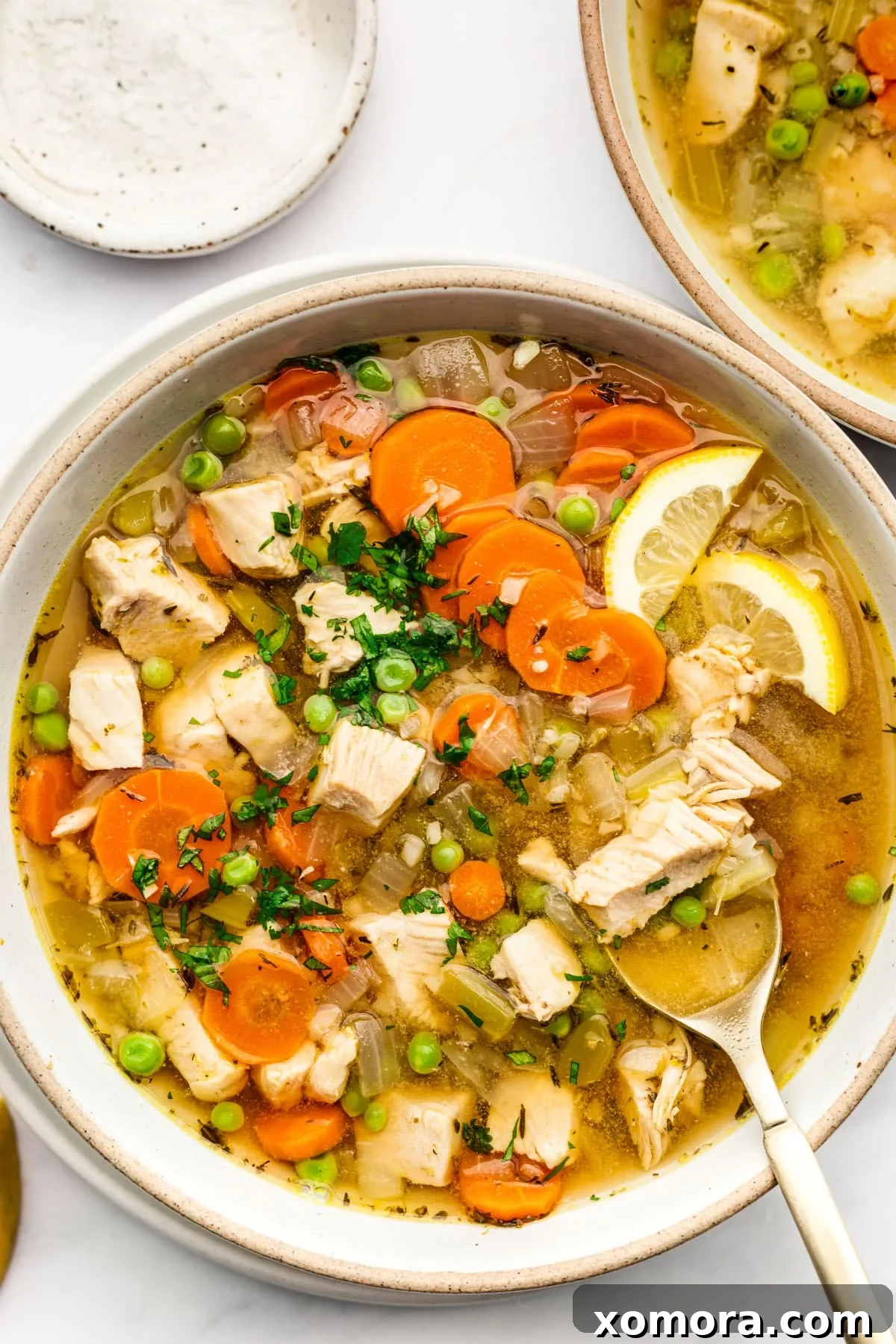
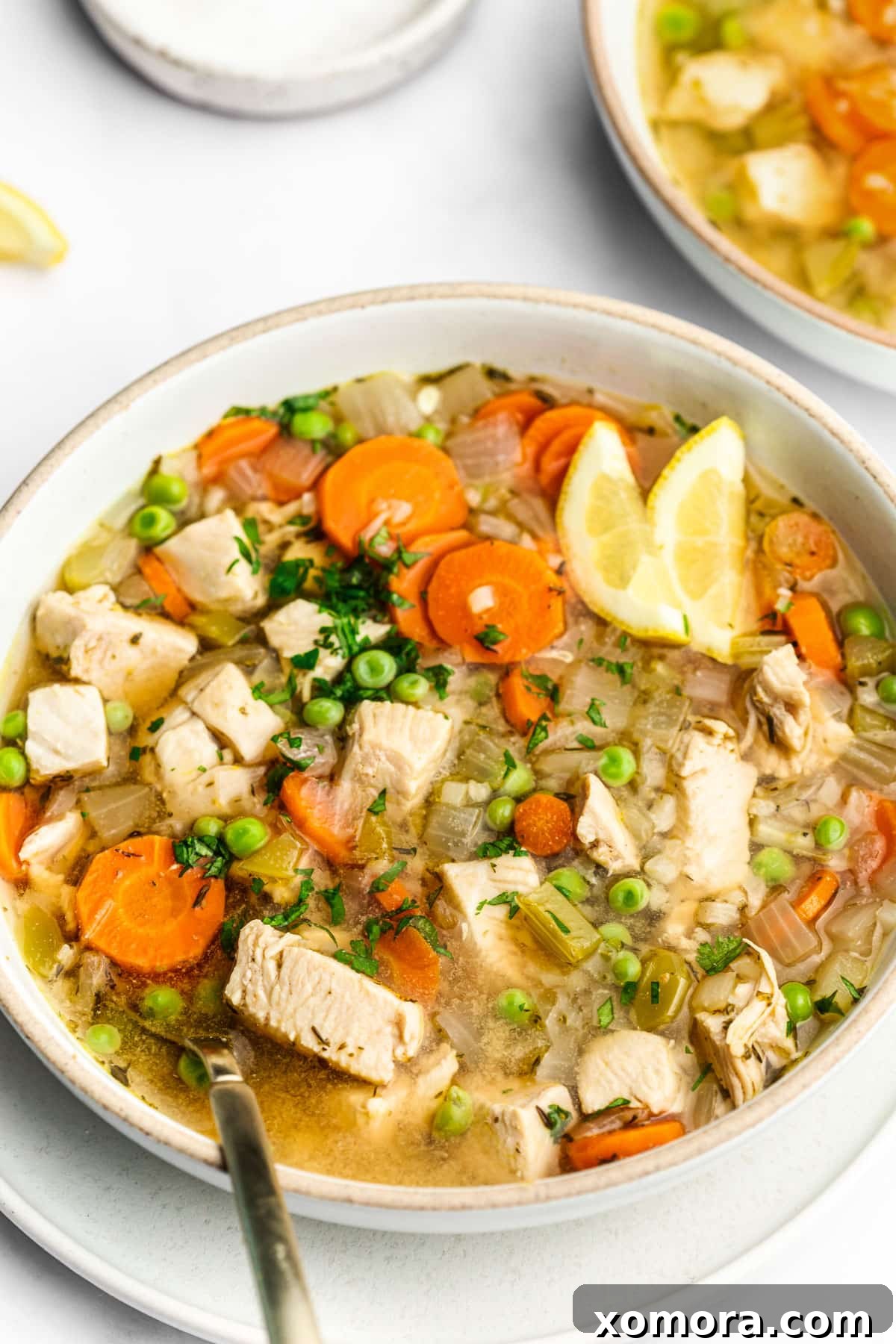
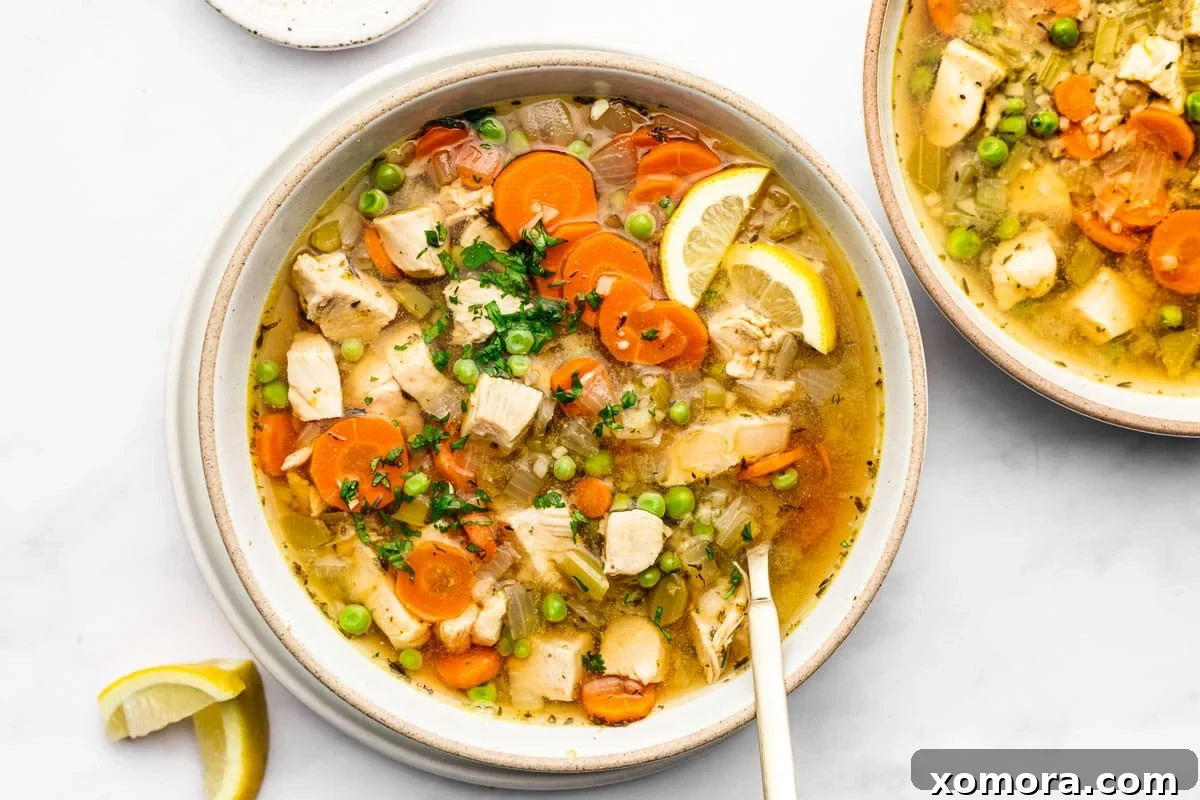
Craving a warm, comforting bowl of soup that’s both incredibly flavorful and wonderfully healthy? Look no further! This delightful Low Carb Chicken and Cauliflower Rice Soup is your perfect answer. Brimming with fresh vegetables and succulent chicken, it captures all the cozy essence of a classic chicken and rice soup, but with a lighter, low-carb twist. The best part? It comes together in about 30 minutes, making it an ideal weeknight meal for the whole family.
Update: This recipe was originally published in 2021 and has been refreshed with new photos and expanded content for an even better cooking experience.
There’s something uniquely comforting about a steaming bowl of soup, especially when the weather outside is brisk. We recently experienced a generous snowfall, painting everything white and prompting days filled with cozy indoor activities. While the initial excitement of snow quickly gave way to a desire for warmth, one thing remained constant: the appeal of a hearty, homemade soup. This Chicken and Cauliflower Rice Soup is precisely that—a delicious antidote to the chill, offering both satisfaction and a burst of fresh flavors. It’s a simple recipe, yet it delivers the kind of profound taste you’d expect from a dish that’s simmered all afternoon.
What makes this recipe truly stand out is its clever use of cauliflower rice. By substituting traditional rice with riced cauliflower, we significantly reduce the carbohydrate content without sacrificing the texture or the comforting feel of a classic chicken and rice soup. This makes it an excellent choice for anyone following a low-carb, keto, or gluten-free diet, or simply looking to incorporate more vegetables into their meals. It’s light enough to enjoy without feeling overly full, yet robust enough to genuinely warm you from the inside out.
If you’re a fan of nourishing chicken soups, you’ll love exploring some of my other quick and healthy options. Be sure to try my 30 Minute Low Carb Lemon Chicken Soup for a zesty twist, the boldly flavored Salsa Verde Chicken Soup, a convenient Slow Cooker Chicken Fajita Soup, or the super fast Instant Pot Chicken and Vegetable Soup. And for those who can’t get enough of cauliflower, delve into my Chicken Fried Cauliflower Rice, Mexican Chicken Cauliflower Fried Rice, refreshing Pineapple Cauliflower Rice, savory Cajun Shrimp and Cauliflower Rice, or the exotic Chicken Satay Cauliflower Rice Bowls. Each recipe offers a unique way to enjoy the versatility of cauliflower!
Key Ingredients for Your Chicken and Cauliflower Rice Soup
Creating a truly delicious soup starts with quality ingredients. Here’s a breakdown of what you’ll need and why each component plays a crucial role in developing the incredible depth of flavor in this low-carb chicken soup:
- Olive Oil: A touch of healthy fat is essential for sautéing our aromatics. I recommend extra virgin olive oil for its rich flavor and beneficial properties, or avocado oil for its high smoke point and neutral taste. Feel free to use your preferred cooking oil.
- Celery: As a fundamental aromatic vegetable, celery contributes a subtle, earthy depth to the soup base. While its individual taste won’t be prominent, it works in harmony with onion and garlic to build a complex and inviting aroma that is the hallmark of great soups and stews.
- Onion: Both white or yellow onions are perfect for this recipe. When sautéed until tender, they release natural sweetness and savory notes, forming a crucial foundation for the soup’s overall flavor profile.
- Minced Garlic: Freshly minced garlic provides a pungent, aromatic kick that elevates the entire dish. You can mince your own cloves or opt for jarred minced garlic for convenience.
- Chicken Stock or Broth: The liquid base of our soup. While chicken stock, typically made from simmering bones, offers a richer, more gelatinous texture, and chicken broth, made from simmering whole chicken, tends to be lighter, both work beautifully here. For a vegetarian option or if you’re out of chicken broth, vegetable stock is a suitable substitute.
- Boneless Chicken Breasts or Thighs: We’re using boneless, skinless chicken to keep things lean and easy. Chicken breasts offer a mild flavor and firm texture, while boneless chicken thighs provide a slightly richer taste and more tender consistency. Dicing the raw chicken allows it to cook directly in the broth, infusing the soup with even more chicken flavor. For an even quicker meal, use pre-cooked, shredded rotisserie chicken or leftover cooked chicken; just add it in during the last few minutes of simmering to warm through.
- Carrots: Sliced into appealing circles, carrots add natural sweetness, a vibrant pop of color, and essential vitamins to every spoonful. Their round shape ensures you get a piece in almost every bite.
- Lemon Juice: This is a secret weapon for brightening flavors! Fresh lemon juice adds a delightful tang and cuts through the richness, leaving a refreshing finish. Don’t skip it; it makes a huge difference.
- Peas: Sweet green peas, whether fresh or frozen, add a lovely burst of color and a touch of delicate sweetness. They cook quickly, so they’re added towards the end to retain their vibrant color and slight firmness.
- Cauliflower Rice: The star ingredient and the key to keeping this soup low carb. Fresh or frozen cauliflower rice both work wonderfully. I often keep bags of frozen riced cauliflower on hand for impromptu meals. If you have a head of cauliflower and a food processor, you can easily make your own fresh cauliflower rice by pulsing florets until they resemble grains of rice.
- Simple Seasonings and Herbs: A blend of dried thyme, dried oregano, ground ginger, salt, and black pepper creates a deeply satisfying and aromatic seasoning profile. Thyme and oregano lend a classic herbaceous note, while ginger adds a subtle warmth and a unique layer of flavor that complements the chicken and vegetables beautifully. Adjust salt and pepper to your taste preferences.
How to Prepare This Comforting Chicken and Cauliflower Rice Soup
Making this chicken cauliflower rice soup is incredibly straightforward, allowing you to create a nourishing meal without spending hours in the kitchen. Follow these simple steps for a truly rewarding experience:
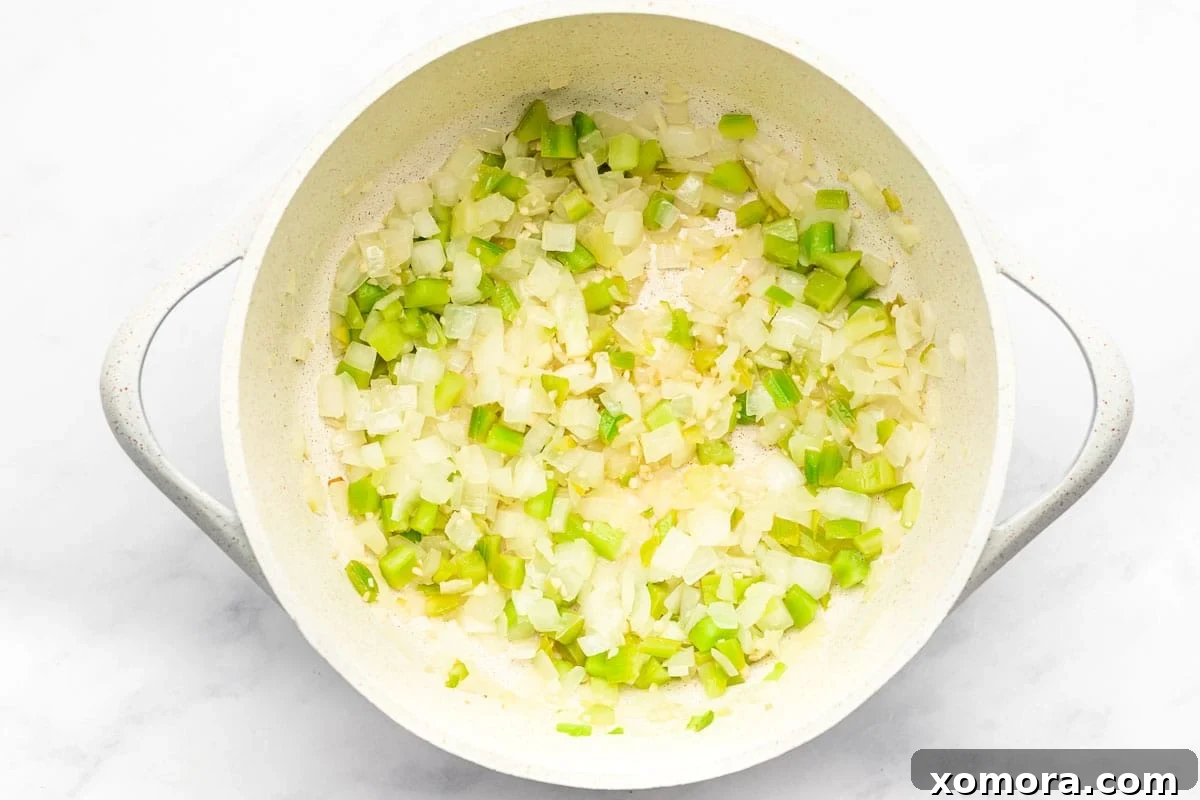
Begin by heating your chosen olive oil in a large soup pot or Dutch oven over medium-high heat. Add the diced celery, onion, and minced garlic to the hot oil. Sauté these aromatics, stirring frequently, until the onion becomes translucent and tender, and the garlic releases its fragrant aroma. This initial step is crucial for building the foundational flavors of your soup.
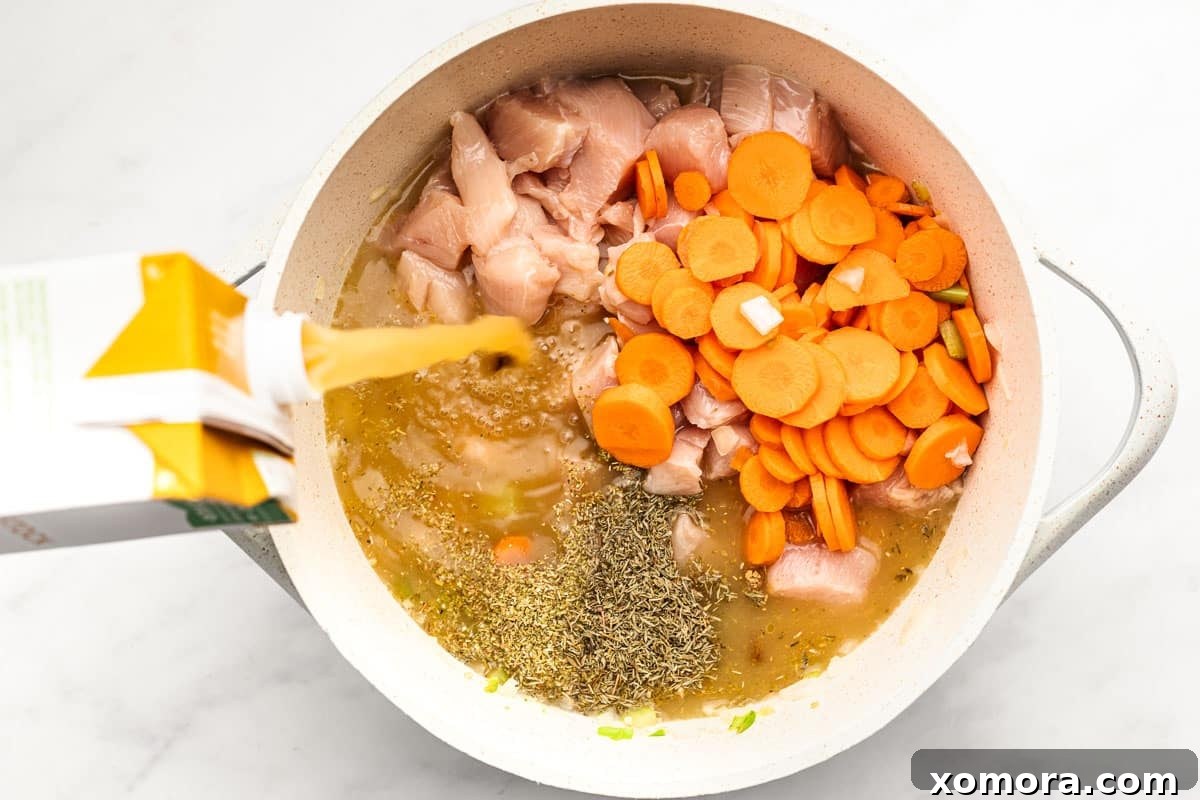
Once your aromatics are beautifully softened, it’s time to incorporate the main liquid and protein. Add the chicken stock or broth, diced chicken breasts or thighs, sliced carrots, lemon juice, dried thyme, dried oregano, ground ginger, salt, and black pepper to the pot. Give everything a good stir to combine all the ingredients thoroughly.
Increase the heat to bring the soup to a rapid boil. As soon as it reaches a rolling boil, reduce the heat immediately to medium or medium-low, cover the pot, and let it simmer gently for about 10 minutes. This simmering period allows the chicken to cook through and the flavors to meld beautifully.
Finally, stir in the cauliflower rice and green peas. These ingredients cook very quickly, so adding them towards the end ensures they retain their texture and vibrant color. Continue to simmer the soup for another 5 to 10 minutes, or until the chicken is completely cooked and all the vegetables are tender-crisp. Taste the soup and adjust seasonings if necessary, adding more salt, pepper, or a squeeze of lemon juice to enhance the flavors to your liking.
Ladle the hot soup into bowls and garnish with fresh chopped parsley for an extra touch of freshness and color. For a heartier meal, consider serving each bowl with a side of crusty low-carb bread or your favorite gluten-free crackers. This soup is wonderfully satisfying on its own, but these additions can make it even more filling on a chilly day. And just like that, a wholesome and delicious meal is ready for your entire family to enjoy!
This soup is delicious as written, but feel free to customize it! For a little warmth and heat, a pinch of red pepper flakes can be stirred in. To boost the fiber content, a handful of baby spinach or kale can be added during the last few minutes of cooking until wilted. This healthy chicken and cauliflower rice soup is incredibly versatile and adapts well to your preferences.
Common Questions About This Low Carb Soup
Here are answers to some frequently asked questions to help you make this chicken and cauliflower rice soup perfectly every time:
Can you use chicken broth instead of chicken stock?
Absolutely! The terms “chicken broth” and “chicken stock” are often used interchangeably in home cooking, and for this recipe, either will yield excellent results. Chicken stock generally has a richer body due to collagen from bones, while broth is typically lighter. Any flavor difference is usually minor and can be easily adjusted with seasonings at the end. Use what you have on hand or what you prefer.
Should the chicken be cooked before adding it to the soup?
For this recipe, we recommend adding raw, diced chicken directly to the soup. As the chicken simmers in the broth, it releases additional flavor, contributing to a richer and more robust soup base. This method not only saves a step but also infuses the entire dish with a deeper chicken essence. This is why we initially bring the soup to a boil, then reduce to a simmer to ensure the chicken cooks thoroughly and gently.
Can you add whole chicken breasts to this soup?
Yes, you can certainly add whole boneless, skinless chicken breasts to the soup. The cooking time will likely be a bit longer for whole pieces compared to diced chicken. After the chicken is fully cooked, you can remove it from the pot, shred or chop it, and then return it to the soup. However, dicing the chicken before adding it allows for quicker, more even cooking and ensures you get generous pieces of chicken in every spoonful without the extra step of shredding at the end.
Does this soup freeze well?
While you can freeze this soup, it’s important to note that cauliflower rice can become a bit softer or slightly mushy in texture after freezing and thawing. If you’re specifically making a large batch with the intention of freezing, I recommend cooking the soup without adding the cauliflower rice. Then, after thawing and reheating, you can simply stir in a bag of freshly steamed cauliflower rice (or add frozen cauliflower rice and cook for 5-7 minutes) to maintain the best possible texture. This method ensures your soup is just as delightful after being frozen.
More easy and healthy soup recipes like this:
Slow Cooker Hearty Chicken Stew
30 Minute Lemon Chicken Soup
Chicken Sausage Gumbo Soup
Instant Pot Chicken & Vegetable Soup
Slow Cooker Chicken Fajita Soup
Low Carb Chicken and Cauliflower Rice Soup
Ingredients
- 2 tablespoons olive oil, extra virgin
- 1 white or yellow onion, diced
- 1 cup celery, diced
- 1 tablespoon garlic, minced
- 64 ounces chicken stock or broth
- 2 pounds chicken breasts or thighs, boneless and skinless, about 4 breasts
- 1½ cup carrots, cut into circles
- 3 tablespoons lemon juice
- 1½ teaspoon salt
- ½ teaspoon black pepper
- 1 teaspoon dried oregano
- 1 teaspoon dried thyme
- ¾ teaspoon ground ginger
- 2 cups peas, fresh or frozen, can use 10 oz bag
- 2 cups cauliflower rice, fresh or frozen, can use 10 or 12 oz bag
Instructions
-
Add your olive oil, onion, celery, and garlic to your soup pot. Sauté on medium-high heat, stirring frequently, until the onion is tender and the garlic has a bit of browning.
-
Cut your chicken into small chunks. This will help the chicken cook quickly and evenly in the soup.
-
Stir in all ingredients except for the cauliflower rice and peas. Bring to a boil on high heat. Then immediately cover and reduce to a simmer (medium or medium-low heat) for 10 minutes.
-
Stir in the cauliflower rice and peas. Simmer for another 5 to 10 minutes or until the chicken is cooked through and all veggies are tender. Taste and add extra salt or pepper if you like.
Nutrition
Nutrition information is automatically calculated, so should only be used as an approximation.