
Embarking on a Whole30 journey is a powerful commitment to transforming your relationship with food and your body. As someone who has successfully completed multiple rounds – including an impressive 90 consecutive days – I can attest to the profound benefits this program offers. You can delve deeper into my personal Whole30 experience and discover how it reshaped my approach to health and wellness. While the program’s core principle revolves around eating whole, unprocessed foods and eliminating common inflammatory triggers like sugar, grains, dairy, legumes, and alcohol for 30 days, it often means spending a lot of time in your kitchen. And with a lot of cooking inevitably comes a lot of dishes! While this is a manageable part of the Whole30 lifestyle, there are inevitably times when you crave a break from meal prep, or simply wish for someone else to handle the culinary duties. For those moments when you’re yearning for a delicious meal prepared by someone else, dining out can present a unique set of challenges and opportunities.
The thought of navigating restaurant menus while adhering to strict Whole30 guidelines can be daunting. Many participants experience a moment of panic: “What restaurants can possibly accommodate Whole30 restrictions?” or “Will I be limited to nothing but a bland, undressed lettuce leaf?” Let me assure you, the answer is a resounding no! While I appreciate a good salad – in fact, I have plenty of ideas to help you build a truly amazing salad – the Whole30 dining experience doesn’t have to be confined to greens alone. You deserve a variety of real, delicious food options that align with your health goals, and with a little preparation and knowledge, enjoying a meal out is entirely achievable.
Mastering Whole30 Dining Out: Your Essential Guide
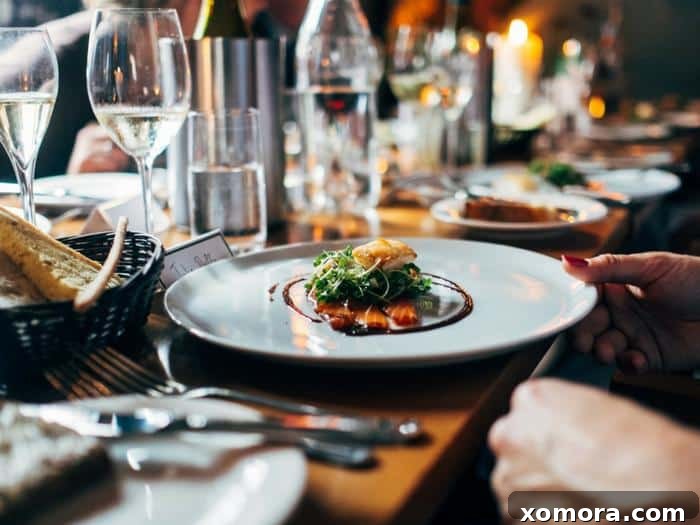
The key to successful Whole30 dining lies in preparation and understanding. Without a solid plan, you might find yourself overwhelmed by menus filled with non-compliant ingredients, leading to frustration or, worse, a slip-up. But it doesn’t have to be that way. My ultimate goal is to empower you to navigate any restaurant with confidence, ensuring you can stick to your Whole30 commitments while still enjoying the social aspect and convenience of eating out. I’ve previously shared my top recommendations for eating out on Whole30, and the image above serves as an excellent visual reminder and quick guide for your restaurant strategy.
While it’s undeniably easier to maintain control over your food choices when cooking at home, dining out on Whole30 is absolutely possible. You won’t be relegated to a meager lettuce leaf with no dressing – because frankly, that sounds far from enjoyable, and I believe every meal, even on Whole30, should be an opportunity to eat good, satisfying food. Let’s explore how to make your restaurant experiences not just compliant, but genuinely delicious.
The Golden Rule: Preparation is Your Best Friend
The most crucial step before even stepping foot in a restaurant is research. Modern technology makes this incredibly easy. Take advantage of online resources to review menus beforehand. Look for dishes that inherently feature whole foods like grilled proteins and vegetables. Don’t hesitate to call the restaurant during off-peak hours to speak with a manager or chef about their ingredients and willingness to accommodate dietary restrictions. Explain that you’re following a specific dietary program with no sugar, grains, dairy, or legumes, and ask about their cooking oils (opt for olive oil, avocado oil, or clarified butter/ghee if possible) and the ingredients in their sauces and marinades. A little proactive communication can save you a lot of stress.
Understanding Compliant Ingredients and Asking Smart Questions
Whole30 focuses on proteins (meat, poultry, fish, eggs), vegetables, and healthy fats. When looking at a menu, seek out these components. But it’s not just about what’s on the plate; it’s also about how it’s prepared. Here’s what to look out for and how to phrase your questions:
- Cooking Oils: Many restaurants use non-compliant vegetable oils (canola, soybean, corn, sunflower, safflower) which are off-limits. Politely ask if they can cook your dish in olive oil, avocado oil, or even butter (clarified butter/ghee is Whole30 compliant, regular butter is not, but some choose to make an exception for butter if no other option). Be specific: “Could this be cooked in olive oil instead of vegetable oil?”
- Hidden Sugars: Sugars lurk everywhere – in marinades, salad dressings, sauces (even seemingly savory ones like tomato sauce or barbecue sauce), and spice rubs. Always ask: “Does this sauce/marinade contain any added sugar?”
- Dairy and Grains: These are usually more straightforward to avoid. Clearly state “no cheese,” “no cream,” “no croutons,” and “no bun” for burgers.
- Legumes and Soy: Be mindful of beans, peanuts, and soy products (soy sauce, edamame, tofu). For Asian cuisine, this is particularly important as soy is a staple.
- Cross-Contamination: If you have severe sensitivities, you might also want to inquire about shared fryers or grill surfaces.
Remember to be polite, clear, and confident in your requests. Most restaurant staff are happy to accommodate as long as they understand your needs.
Navigating Different Restaurant Types on Whole30
While some cuisines are inherently more challenging than others, most establishments offer options if you know what to look for and how to customize. Here’s a breakdown:
- Steakhouses/Grills: These are often your safest bet. Order a grilled steak, chicken breast, or fish, simply seasoned. Ask for steamed or roasted vegetables on the side (no butter, no cheese sauce). A baked potato can work, but skip the butter and sour cream, opting for olive oil, salt, and pepper instead.
- American Cuisine/Diners: Burgers without a bun are a classic choice. Ask for extra lettuce and tomato. Grilled chicken or fish is usually available. For sides, opt for a plain salad with oil and vinegar dressing on the side, or steamed vegetables. Many diners offer eggs, bacon (check for sugar in curing), and sausage (check ingredients) for breakfast.
- Mexican Restaurants (with caution): Fajitas can be a good option – order grilled chicken, steak, or shrimp with sautéed peppers and onions, but skip the tortillas, rice, beans, cheese, and sour cream. Ask for extra guacamole (ensure no dairy) and salsa (check for sugar).
- Asian Restaurants (challenging): This can be the trickiest. Sauces are often loaded with sugar, soy, and non-compliant oils. Your best bet is steamed fish or chicken with steamed vegetables, and ask for no sauce. You might bring your own Whole30 compliant coconut aminos or a pre-made compliant sauce if you’re desperate for flavor. Avoid rice, noodles, and fried dishes.
- Italian Restaurants (very challenging): Pasta, bread, and cheese are staples here, making it difficult. Look for grilled chicken or fish dishes. Ask for a large side salad with oil and vinegar, ensuring no croutons or cheese.
Effective Strategies for Success
Beyond choosing the right restaurant, your ordering strategy is paramount:
- Modify, Modify, Modify: Don’t be shy about making specific requests. “Hold the cheese,” “no bun,” “dressing on the side,” “cooked in olive oil instead of house oil,” “no sauce,” “substitute fries for steamed broccoli.”
- Build Your Own Meal: If nothing on the menu looks compliant, get creative. Ask for a plain grilled protein, a side of steamed vegetables, and maybe a side of avocado or a simple oil and vinegar dressing.
- Be Specific, Not Vague: Instead of saying “I need something healthy,” explain your dietary restrictions: “I’m looking for something with no sugar, no dairy, no grains, and no legumes.” This provides clearer guidance to the kitchen staff.
- Pack Emergency Snacks: If you’re heading to an unfamiliar place or know options might be limited, bring a compliant snack (nuts, fruit, jerky) to tide you over if your meal isn’t quite what you expected or takes longer than anticipated.
- Don’t Be Afraid to Politely Send Food Back: If your meal arrives and it’s clearly not compliant (e.g., covered in sauce you asked to be omitted, or with cheese when you said no), politely explain the situation and ask for it to be corrected.
Beyond the Salad Bowl: Real Food, Real Options
As mentioned earlier, the fear of being limited to only “rabbit food” is a common one. But with the right approach, you can enjoy substantial and satisfying Whole30 compliant meals. Think juicy bunless burgers, perfectly grilled salmon with a side of asparagus, a hearty steak with roasted sweet potatoes (no added sugar!), or a flavorful chicken fajita plate without the usual accoutrements. Your options are far more diverse than you might initially imagine.
The Long-Term Benefits of Mastering Whole30 Dining Out
Learning to navigate restaurants on Whole30 extends far beyond the 30-day program. It equips you with invaluable skills for making healthy choices in any environment. You’ll gain increased confidence in understanding ingredients, communicating your needs, and making empowered decisions about what you put into your body. This translates into greater social freedom, knowing you can enjoy meals with friends and family without compromising your health goals. It also reinforces the principles of mindful eating and ingredient awareness that are central to a sustainable healthy lifestyle.
So, next time you’re contemplating a meal out while on Whole30, remember these tips. With a little planning and clear communication, you can absolutely enjoy delicious, compliant meals outside your home kitchen. Embrace the challenge, and savor every bite of your real, whole food options. Happy Whole30 dining!