
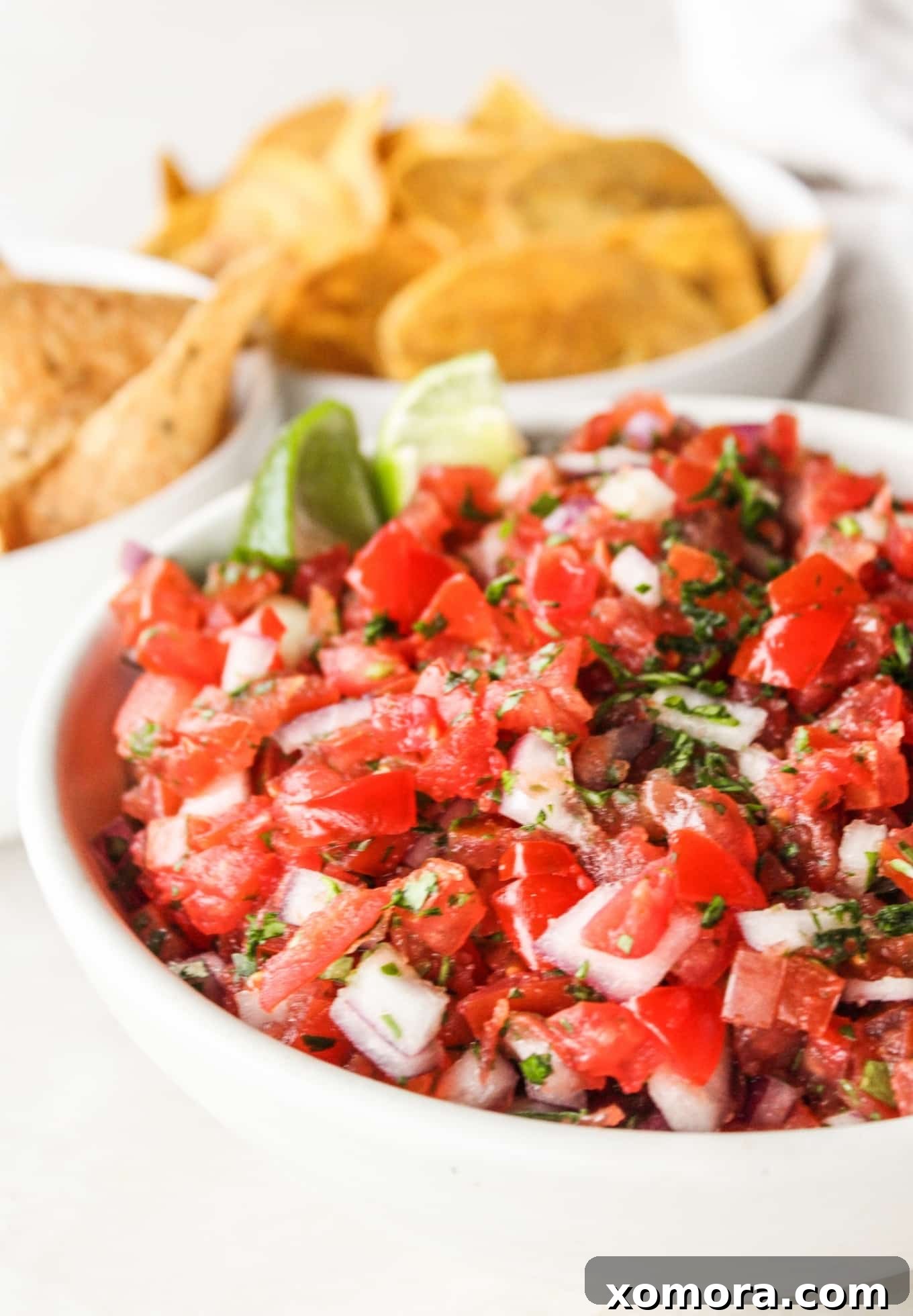
Welcome to the vibrant world of homemade Pico de Gallo! This iconic fresh salsa, also known as salsa fresca, is more than just a dip; it’s a celebration of simplicity, fresh ingredients, and bold, invigorating flavors. Forget the bland, store-bought alternatives; crafting your own Pico de Gallo at home is incredibly easy, remarkably fast, and guarantees a burst of garden-fresh taste that elevates almost any dish. Whether you’re a seasoned chef or a kitchen novice, this recipe will guide you to a perfect batch every time, transforming your meals with its irresistible charm.
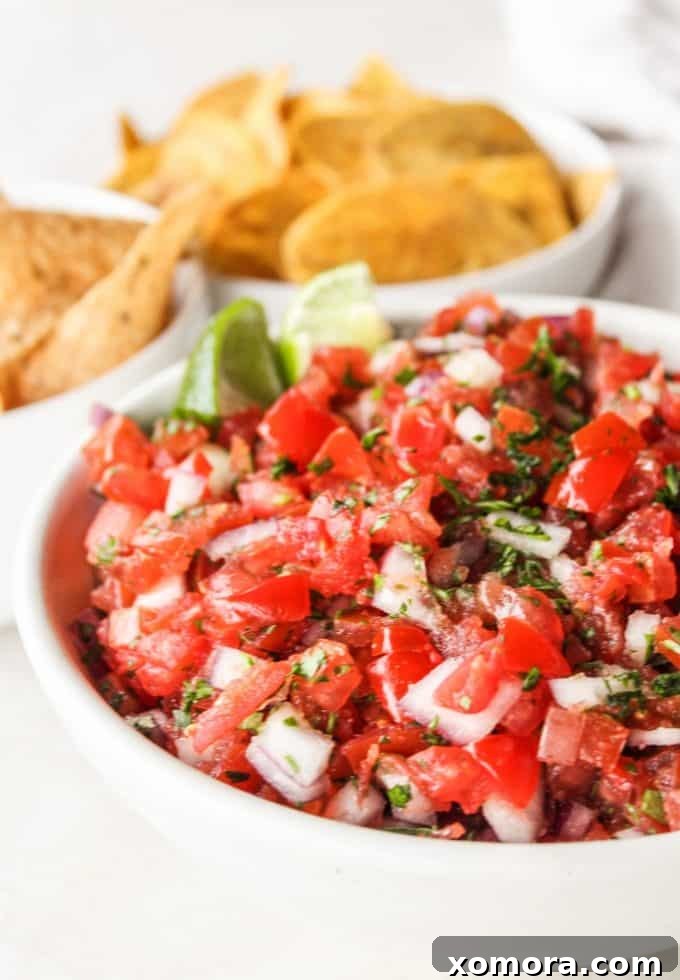
Imagine needing a dazzling accompaniment for your crispy tortilla or plantain chips, a bright dressing to perk up a humble burger, or a zesty topping for your morning eggs, tacos, or grilled chicken. Pico de Gallo fits every bill, offering a healthy, low-calorie alternative to heavy dressings and sauces. Its versatility is truly unmatched, capable of upgrading everything from a casual snack to an elaborate dinner spread. If you’ve only ever thought of it as a simple dip, prepare to have your culinary horizons expanded!
My husband introduced me to this specific recipe years ago, back when we were dating and he lived in a classic bachelor pad. I was twenty-two, and witnessing one of his roommates effortlessly whip up this fresh, flavorful salsa left me utterly impressed. We’ve been perfecting it together ever since, making it a staple in our household and a beloved crowd-pleaser for every gathering. It’s a testament to how simple yet profound the right combination of fresh ingredients can be.
Over the years, we’ve refined our technique, learning invaluable lessons that truly make this Pico de Gallo spectacular. The secret lies in a few key details: embrace the cilantro – the more, the better, as its fresh, herbaceous notes are crucial. While any onion works (we often use white or yellow), a finely diced red onion adds a beautiful pop of color, making the dish visually stunning. Most importantly, don’t rush the seasoning; painstakingly taste test, adding lime juice and salt gradually until the balance is just right. And always, always make more than you think you’ll need because it disappears quickly! While delicious immediately, allowing it to meld in the fridge for at least an hour, or even overnight, deepens its flavors dramatically.
Pico de Gallo holds a special place in our hearts and on our table. If you join us for a cookout, you can bet it will be served alongside everything else. Likewise, if you invite us over, chances are we’ll bring a generous bowl with us. It consistently earns rave reviews and becomes the star of any spread.
One of the beautiful aspects of this recipe is its adaptability. You can easily adjust the amount of jalapeño to suit your preference, making it perfectly kid-friendly. With two small children at home, I often omit the jalapeño entirely for everyday batches, as the dish still boasts an incredible depth of flavor without the added heat. It’s entirely your call, and rest assured, you won’t be disappointed either way. This fresh, bold, and incredibly versatile salsa is truly a culinary delight you won’t want to miss.
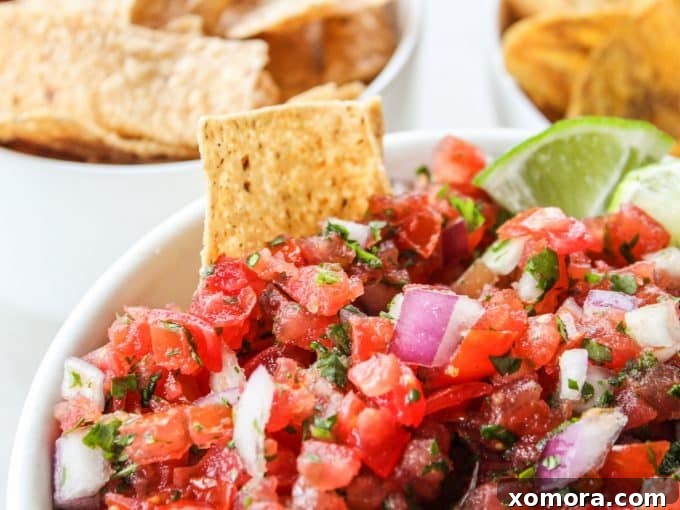
Understanding Pico de Gallo: More Than Just Salsa
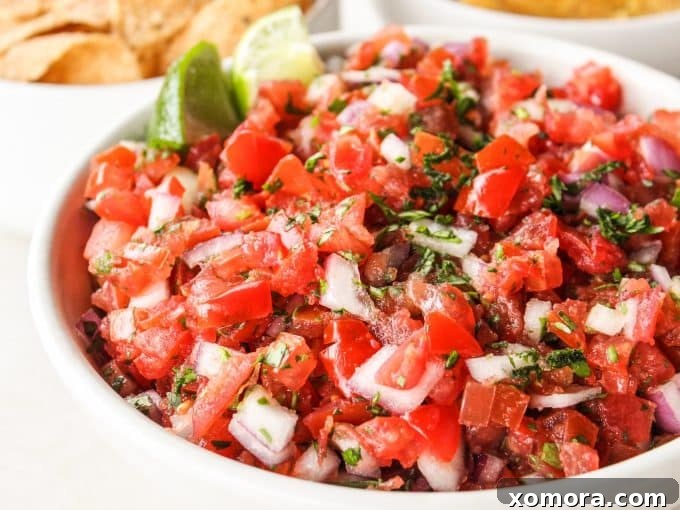
While often categorized simply as “salsa,” Pico de Gallo, which translates to “rooster’s beak,” holds a distinct place in Mexican cuisine. Unlike many blended or cooked salsas (like salsa roja or salsa verde), Pico de Gallo is characterized by its fresh, uncooked, and finely diced ingredients. It’s a chunky, vibrant condiment where each component retains its individual texture and flavor, offering a crisp, clean bite. The balance of sweet tomatoes, pungent onion, herbaceous cilantro, bright lime, and a hint of heat makes it profoundly satisfying. It’s truly a celebration of fresh, seasonal produce at its best.
Why Homemade Pico de Gallo Triumphs Over Store-Bought
The decision to make Pico de Gallo from scratch is a simple one once you taste the difference. Store-bought versions often lack the vibrancy, fresh crunch, and nuanced flavors of homemade. They might contain preservatives, excessive sodium, or be made with less-than-optimal produce. When you make it yourself, you control every aspect: the quality of the ingredients, the size of the chop, the precise balance of salt and lime, and the level of spiciness. This control translates directly into a superior product—one that’s bursting with natural goodness, free from unwanted additives, and tailored precisely to your palate. Plus, the simple act of preparing it yourself connects you more intimately with the food you eat, making the experience all the more rewarding.
The Anatomy of Perfect Pico: Essential Ingredients & Selection
The magic of Pico de Gallo lies in the quality and freshness of its few, but mighty, ingredients. Each component plays a crucial role in creating the perfect flavor profile and texture.
Ripe Tomatoes: The Heart of Your Salsa
Tomatoes form the foundation of Pico de Gallo. Choosing the right ones is paramount. Opt for ripe, firm tomatoes that are heavy for their size. Roma (plum) tomatoes are often preferred due to their meaty flesh and lower water content, which helps prevent a watery salsa. However, any good quality, ripe field or heirloom tomato will work beautifully. Avoid overly soft or mealy tomatoes. Before dicing, you might choose to remove the watery seed core to further control the moisture content, especially if making a large batch or preparing it ahead of time. Aim for a consistent small dice, ensuring every spoonful offers a balanced bite.
Onions: Adding Pungency and Crunch
Onions contribute a vital pungent kick and satisfying crunch. Red onions are often a popular choice, not just for their slightly milder flavor compared to white onions but primarily for their stunning color, which adds visual appeal to the salsa. White or yellow onions can also be used, but red onions truly make the dish pop. Regardless of the type, finely dicing the onion is crucial. Larger chunks can be overwhelming. If you find the onion flavor too strong, you can rinse the diced onion in cold water for a few minutes before adding it to the mix; this helps to mellow its intensity without sacrificing its crispness.
Fresh Cilantro: The Herbaceous Star
Cilantro is what gives Pico de Gallo its signature fresh, herbaceous aroma and flavor. There’s no substitute for fresh cilantro here. Use a generous amount—often more than you might initially think—as its bright, peppery notes are essential. Finely chop the leaves and tender stems; avoiding thick, woody stems. If you’re one of the few who find cilantro tasting like soap (a genetic trait), fresh parsley, while different, can be a decent substitute to offer a fresh green note, but it will significantly alter the authentic flavor profile.
Zesty Lime Juice: The Brightener
Freshly squeezed lime juice is a non-negotiable ingredient. It adds acidity, brightens all the flavors, and helps to preserve the freshness of the other ingredients. Bottled lime juice simply doesn’t compare to the vibrant tang of fresh. Start with the suggested amount and then add more to taste, balancing the acidity with the sweetness of the tomatoes and the saltiness. Don’t be shy; lime is key to that quintessential Pico de Gallo zest!
The Kick of Jalapeño (Optional): Controlling the Heat
For those who appreciate a bit of heat, fresh jalapeño is the classic addition. The amount is entirely up to your preference. If you prefer a milder salsa, remove the seeds and white membranes (the pith) from the jalapeño, as these contain most of the capsaicin, the compound responsible for the heat. For more spice, leave some or all of the seeds in. Always handle jalapeños with care, and consider wearing gloves, especially if you have sensitive skin, and wash your hands thoroughly afterward to avoid any irritation. For a milder option, a bell pepper can add color and crunch without heat; for more heat, serrano peppers are an excellent choice.
Salt: The Flavor Enhancer
Salt is not just for making things salty; it’s a critical flavor enhancer that brings out the best in all the other ingredients. Use fine sea salt or kosher salt. Add it incrementally and taste frequently. The right amount of salt will make the tomatoes taste sweeter and the lime juice brighter, creating a harmonious blend of flavors.
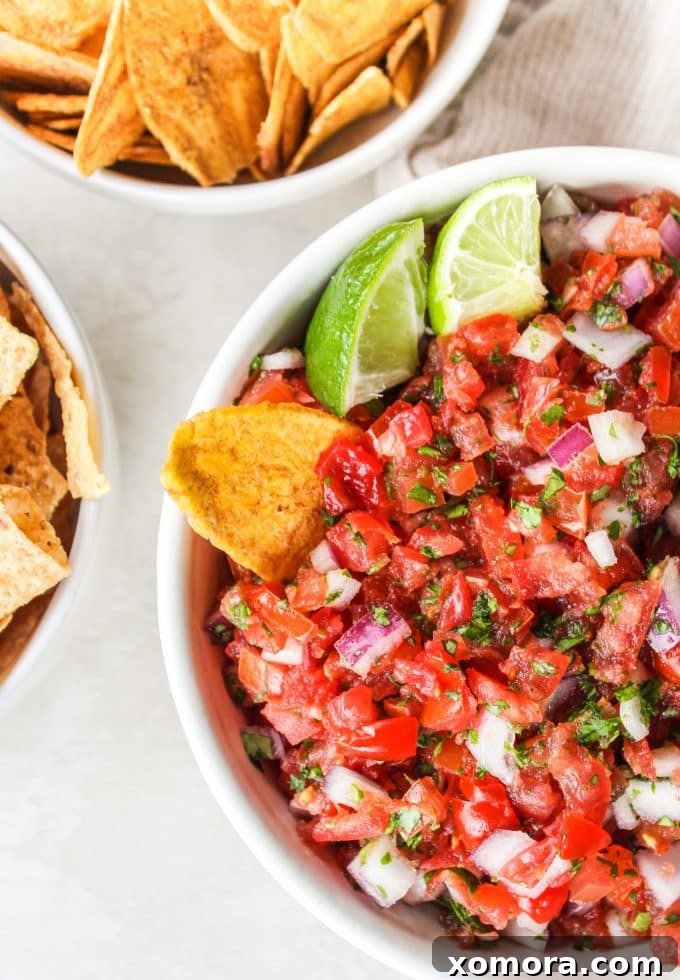
Step-by-Step Guide to Crafting Your Homemade Pico de Gallo
Making Pico de Gallo is wonderfully straightforward. The key to success lies in careful preparation and attention to detail. Here’s how to assemble your perfect batch:
- Prepare Your Ingredients: Wash all your produce thoroughly. This includes tomatoes, cilantro, and jalapeños.
- Dice the Tomatoes: Core your tomatoes, and if desired, remove the seeds to prevent excess liquid. Finely dice the tomatoes into small, uniform pieces, aiming for about 1/4 to 1/2-inch cubes. Transfer them to a large mixing bowl.
- Dice the Onion: Peel your chosen onion (red, white, or yellow). Finely dice it to a similar size as your tomatoes. For a milder flavor, you can briefly rinse the diced onion under cold water and pat it dry before adding it to the bowl with the tomatoes.
- Chop the Cilantro: Finely chop a generous amount of fresh cilantro leaves and tender stems. Add it to the bowl.
- Prepare the Jalapeño (Optional): If using, finely chop your jalapeño. For less heat, remove the seeds and white pith. For more heat, leave some or all of them. Add the chopped jalapeño to the bowl.
- Combine and Season: Gently stir all the chopped ingredients together until well combined. Now, it’s time to add the lime juice and salt. Start with a smaller amount of both, then mix and taste.
- Taste and Adjust: This is a crucial step! Adjust the lime juice and salt a little at a time until the flavors are perfectly balanced to your preference. You’re looking for a vibrant, fresh, tangy, and savory profile.
- Chill for Enhanced Flavor: While Pico de Gallo is delicious immediately, its flavors truly meld and deepen after resting. Cover the bowl and refrigerate for at least 30 minutes to an hour, or even longer for the best results.
- Serve Fresh: Give it a final stir before serving.
Mastering the Art of Dicing: Tips for Uniformity
The visual appeal and textural consistency of Pico de Gallo depend heavily on how uniformly the ingredients are diced. This isn’t just about aesthetics; uniform pieces ensure that every bite delivers a harmonious blend of all the flavors, preventing any single ingredient from dominating.
- Tomato and Onion: Aim to chop your tomato and onion pieces to be roughly the same size. You want small, manageable bites that can be easily scooped. Avoid giant chunks of onion or tiny slivers of tomato; consistency is key for a well-balanced texture in every scoop.
- Cilantro: Chop the cilantro finer than the tomato and onion. Its role is to distribute its fresh herbaceousness throughout the salsa, not to be a chunky component.
- Jalapeño: Similar to cilantro, the jalapeño should be finely minced so its heat is evenly dispersed without overpowering a single bite.
- Sharp Knife is Your Best Friend: A sharp chef’s knife makes dicing much easier and safer, allowing for clean cuts and less squishing of the delicate tomatoes.
Elevating Your Pico: Expert Tips & Tricks
Beyond the basic recipe, a few additional insights can help you create a truly unforgettable Pico de Gallo that will have everyone asking for your secret.
- The Power of Chilling: While you can eat Pico de Gallo right after mixing, its flavors truly blossom after some time in the refrigerator. The ingredients get to know each other, meld, and deepen. At least an hour is recommended, but 2-4 hours is even better, allowing the lime and salt to fully penetrate and enhance the vegetables.
- Don’t Fear the Taste Test: Seasoning is a personal journey. Always taste as you go, especially when adding lime juice and salt. It’s much easier to add more than to correct an over-seasoned batch. The perfect balance should be bright, savory, and fresh, with a hint of tang.
- Embrace Red Onion for Beauty: While white or yellow onions work perfectly fine, a red onion will impart a beautiful, jewel-like quality to your Pico de Gallo, making it incredibly appealing to the eye. The visual aspect of food is often as important as the taste!
- Consider Your Tomato Choice: Roma tomatoes are often preferred for their lower water content, but feel free to experiment with other firm, ripe varieties. Cherry or grape tomatoes can also be used, quartered, for a sweeter, juicier Pico.
- Experiment with Heat: If you love spice, consider adding a finely minced serrano pepper alongside or instead of jalapeño for a more intense kick. For a milder, smoky flavor, try a roasted poblano pepper.
- Creative Additions: While classic Pico is simple, feel free to get creative. A small amount of finely diced avocado can add creaminess. Grilled corn kernels offer sweetness and texture. A pinch of cumin or oregano (traditional in some regions) can add depth.
Beyond the Chip: Creative Ways to Serve Pico de Gallo
The true beauty of homemade Pico de Gallo lies in its incredible versatility. While it’s undeniably perfect with tortilla chips, its fresh, vibrant flavors can enhance an astonishing array of dishes, making it a staple you’ll want to keep on hand.
Appetizer Powerhouse
- Classic Dip: Serve it with your favorite tortilla chips, plantain chips, or even homemade pita chips.
- Healthy Scoop: A fantastic companion for raw vegetables like cucumber slices, carrot sticks, bell pepper strips, or broccoli florets for a healthy, refreshing snack.
- Bruschetta Alternative: Spoon it over toasted baguette slices for a fresh, zesty appetizer.
- Queso Fresco Pairing: A dollop over a block of queso fresco or cream cheese makes a simple yet elegant starter.
Breakfast & Brunch Boost
- Egg-cellent Topping: Elevate scrambled eggs, omelets, frittatas, or breakfast burritos with a generous spoonful.
- Breakfast Tacos: A must-have for breakfast tacos with chorizo or potatoes.
- Avocado Toast Upgrade: Spread avocado on toast and top with a fresh layer of Pico for an incredible morning treat.
Lunchtime Upgrade
- Salad Dressing Alternative: Use it as a vibrant, chunky dressing for green salads or grain bowls, offering flavor without heavy oils.
- Sandwich & Wrap Enhancer: Add a fresh kick to your turkey sandwich, chicken wrap, or veggie burger.
- Tuna/Chicken Salad Mix-in: Stir into tuna or chicken salad for an extra layer of freshness and crunch.
Dinner Delights
- Taco & Fajita Best Friend: An absolute essential for any taco night, whether it’s beef, chicken, fish, or veggie tacos. Perfect for fajitas and enchiladas too.
- Grilled Meats & Fish: A brilliant topping for grilled chicken, steak, pork chops, or any white fish (like cod or tilapia), providing a burst of freshness and acidity.
- Rice Bowls & Burrito Bowls: Mix into rice bowls with beans, corn, and avocado for a complete meal.
- Quesadilla & Nacho Topping: Generously spoon over quesadillas or nachos fresh out of the oven.
- Chili & Soup Garnish: Add a dollop to chili, black bean soup, or tortilla soup for a fresh contrast.
Unexpected Pairings
- Baked Potatoes: A fresh and healthy alternative to sour cream or butter on baked potatoes.
- Burgers & Hot Dogs: A fantastic condiment for burgers and hot dogs, offering a much more exciting flavor than ketchup or mustard.
- Pasta Salad: Stir into a cold pasta salad for a unique twist.
Truly, the motto is: Add it to E V E R Y T H I N G. Its bright, clean flavor profile complements a vast array of dishes, proving just how invaluable a homemade batch of Pico de Gallo can be.
Storage and Longevity: Keeping Your Pico Fresh
One of the best qualities of Pico de Gallo is its ability to be made in advance, often tasting even better the next day as the flavors have more time to meld.
- Make Ahead: Absolutely! We often make a double or triple batch to ensure we have leftovers. As it sits in the fridge overnight, the flavors integrate more deeply, creating an even more harmonious and delicious salsa.
- Liquid Release: You’ll notice more liquid accumulating at the bottom of the container the next day. This is natural, as the salt draws water out of the tomatoes. We love this flavorful juice, as it can be used to moisten dishes, but you can easily drain some of the liquid if you prefer a thicker salsa.
- Proper Storage: Store your homemade Pico de Gallo in an airtight container in the refrigerator. This will keep it fresh and vibrant for up to 3 days. After 3 days, the tomatoes may become too soft, and the flavors might start to diminish.
- Freezing Not Recommended: Due to the high water content of tomatoes and onions, Pico de Gallo does not freeze well. Freezing and thawing will result in a mushy texture and a loss of its characteristic crispness, which is essential to its appeal. It’s best enjoyed fresh.
Frequently Asked Questions About Pico de Gallo
As you embark on your Pico de Gallo making journey, you might have a few questions. Here are some common inquiries and their answers:
Can I use canned tomatoes for Pico de Gallo?
No, absolutely not! The defining characteristic of Pico de Gallo is its freshness and crisp texture. Canned tomatoes are cooked and soft, and their flavor profile is entirely different from fresh, ripe tomatoes. Using them would result in a watery, mushy salsa that lacks the vibrant punch of authentic Pico de Gallo. Always use fresh, ripe tomatoes for the best results.
How spicy is Pico de Gallo?
The spiciness of Pico de Gallo is entirely adjustable to your preference. The heat comes primarily from the jalapeño pepper. You can control the level of spice by:
- Removing Seeds and Membranes: For a very mild salsa, remove all seeds and the white pith (membranes) from the jalapeño.
- Leaving Some Seeds: For medium heat, leave some of the seeds.
- Using the Whole Pepper: For a hotter salsa, include all the seeds and membranes.
- Adjusting Quantity: Use more or fewer jalapeños, or omit them entirely for a non-spicy version.
- Trying Different Peppers: For more heat, use serrano peppers. For less, consider a small amount of bell pepper.
What if I don’t like cilantro?
Cilantro is a hallmark of Pico de Gallo, and its fresh, bright flavor is integral. However, for those with the genetic predisposition that makes cilantro taste like soap, you can substitute it with fresh flat-leaf parsley. While the flavor profile will differ and it won’t be traditional Pico de Gallo, it will still provide a fresh, green element to the salsa.
Can I add other ingredients?
While traditional Pico de Gallo is minimalist, many variations exist. Common additions include finely diced avocado (add just before serving to prevent browning), grilled corn kernels for sweetness, or finely minced red bell pepper for extra color and crunch. Some people even experiment with fruit like mango or pineapple for a tropical twist, though these move further away from the classic definition.
This homemade Pico de Gallo is more than just a recipe; it’s an invitation to embrace fresh, vibrant flavors and effortless cooking. Its simplicity belies its incredible impact on any dish, turning ordinary meals into culinary celebrations. With just a few fresh ingredients and minimal effort, you can create a versatile, healthy, and utterly delicious condiment that will become a cherished favorite in your kitchen. So grab those ripe tomatoes, fresh cilantro, and tangy limes, and get ready to experience the unmatched joy of homemade Pico de Gallo.
Other Appetizer Recipes You Might Enjoy:
- Dairy Free Buffalo Ranch Chicken Dip
- Sweet & Spicy Chicken Bites
- Buffalo Chicken Dip
- Easy Homemade Guacamole
- Buffalo Chicken Twice Baked Potatoes
Pico de Gallo
Christina
15
15
6
Pin Recipe
Rate Recipe
Ingredients
- 6 medium tomatoes
- 1 large onion
- 1/2 cup fresh cilantro leaves
- lime juice
- salt
Optional: jalapeno
Instructions
-
Chop your tomatoes, onion, and cilantro. Add to a large bowl and stir until combined.
-
Finely chop jalapeno if you’d like some heat and add to bowl too.
-
Squeeze in lime juice and sprinkle salt to taste.
-
Serve or refrigerate until ready to eat.
Nutrition
Calories:
30
kcal
,
Carbohydrates:
6
g
,
Protein:
1
g
,
Sodium:
8
mg
,
Potassium:
332
mg
,
Fiber:
1
g
,
Sugar:
4
g
,
Vitamin A:
1205
IU
,
Vitamin C:
18.9
mg
,
Calcium:
18
mg
,
Iron:
0.4
mg
Nutrition information is automatically calculated, so should only be used as an approximation.
Like this? Leave a comment below!