
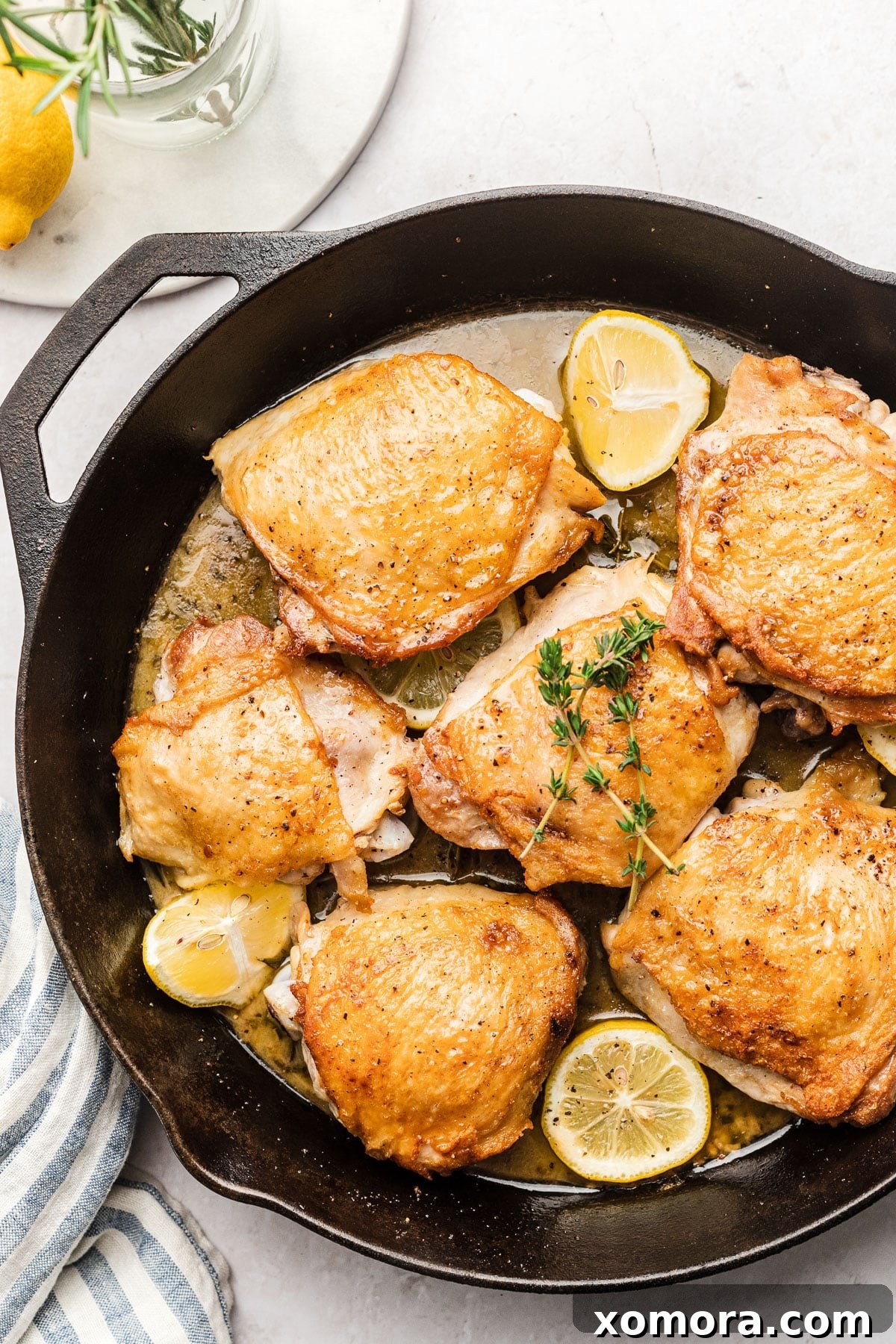
Embark on a culinary journey to create the most succulent and aromatic chicken thighs you’ve ever tasted. This comprehensive recipe unveils the secrets to perfectly baking bone-in or boneless chicken thighs, infused with the vibrant zest of lemon, the pungent warmth of garlic, and the delicate fragrance of fresh herbs. Forget dry, bland chicken; prepare to savor a dish that’s bursting with flavor, incredibly tender, and surprisingly simple to achieve. Whether you’re a seasoned home chef or just beginning to explore the joys of cooking, these lemon herb chicken thighs are destined to become a staple in your meal rotation, offering both comfort and gourmet appeal.
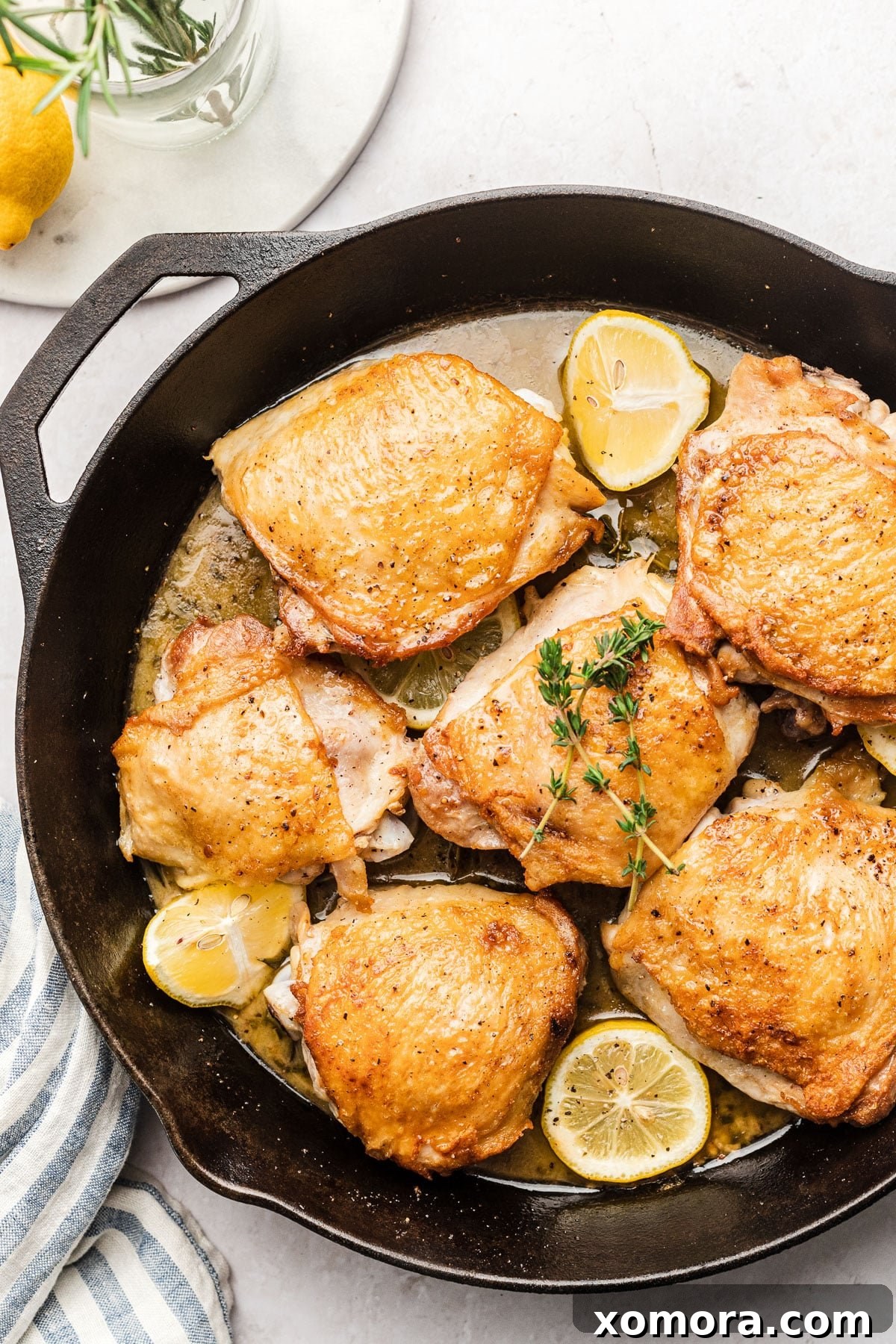
Why Chicken Thighs are the Unsung Heroes of Home Cooking
For too long, chicken breasts have dominated dinner tables, celebrated for their lean profile and versatility. However, it’s time to champion the often-underestimated chicken thigh. While I, like many, have routinely opted for breasts in recipes such as Air Fryer Chicken Breasts, Ultimate Marinated Grilled Chicken, and Italian Marinated Chicken, the truth is that chicken thighs offer an unparalleled combination of flavor, juiciness, and affordability that makes them a superior choice for many dishes, including this one.
Chicken thighs are a cut above in several ways. Firstly, they are significantly more cost-effective than chicken breasts, providing an excellent protein source without breaking the bank – a crucial consideration in today’s economic climate. Beyond the savings, their inherent flavor is richer and more robust. As dark meat, they contain a higher fat content than breasts, which is key to their extraordinary juiciness and tender texture. This natural fat acts as a built-in basting mechanism, making them incredibly forgiving to cook and far less prone to drying out. This means you can achieve a perfectly moist interior with a beautifully crispy exterior, even if your timing isn’t absolutely precise. Their hearty nature also makes them ideal for absorbing the bright, zesty flavors of lemon and the earthy notes of herbs, transforming a simple ingredient into a truly memorable meal.
Bone-in, Skin-on vs. Boneless, Skinless: The Great Thigh Debate
When selecting chicken thighs for your recipe, you’ll encounter two primary options: bone-in with skin, or boneless and skinless. While both can yield delicious results, understanding their unique characteristics will help you choose the best fit for your culinary preferences and goals.
The Advantages of Bone-in, Skin-on Chicken Thighs
For an intensely flavorful and supremely juicy outcome, skin-on bone-in chicken thighs are undeniably the champion. Here’s why they often deliver the best results:
- Unmatched Flavor Depth: The bone itself is a natural flavor enhancer. As the chicken cooks, the marrow and connective tissues within the bone slowly release savory compounds into the surrounding meat, infusing it with a much deeper, more complex chicken flavor that is simply unparalleled by boneless cuts.
- Superior Moisture Retention: Both the bone and the skin act as formidable barriers, effectively sealing in moisture during the high-heat cooking process. The bone helps conduct heat evenly through the meat, while the skin renders into an incredibly crisp, golden layer that protects the delicate meat beneath. This dual protection ensures your chicken remains exceptionally juicy and tender, even if cooked a little longer than planned.
- Economic Value: Adding to their appeal, bone-in thighs are frequently the most budget-friendly option available, often priced lower per pound than both boneless thighs and chicken breasts. This allows you to enjoy a gourmet-quality meal without stretching your grocery budget, making them a smart choice for delicious and economical dinners.
The Practicality of Boneless, Skinless Chicken Thighs
While bone-in, skin-on thighs offer the ultimate flavor experience, boneless, skinless options provide a convenient and faster-cooking alternative. If you’re sensitive to texture, prefer to skip the skin, or are looking for a quicker prep and cook time, these are an excellent choice. They still retain more moisture and flavor than chicken breasts, thanks to being dark meat, and are a fantastic canvas for absorbing the vibrant lemon and herb marinade. They’re perfect for weeknight meals when time is of the essence, offering all the rich flavor of thigh meat with less fuss.
Regardless of your choice, the beauty of this recipe is its adaptability. Both options will yield a delightful meal when seasoned and cooked with care.
The Symphony of Flavors: Key Ingredients for Success
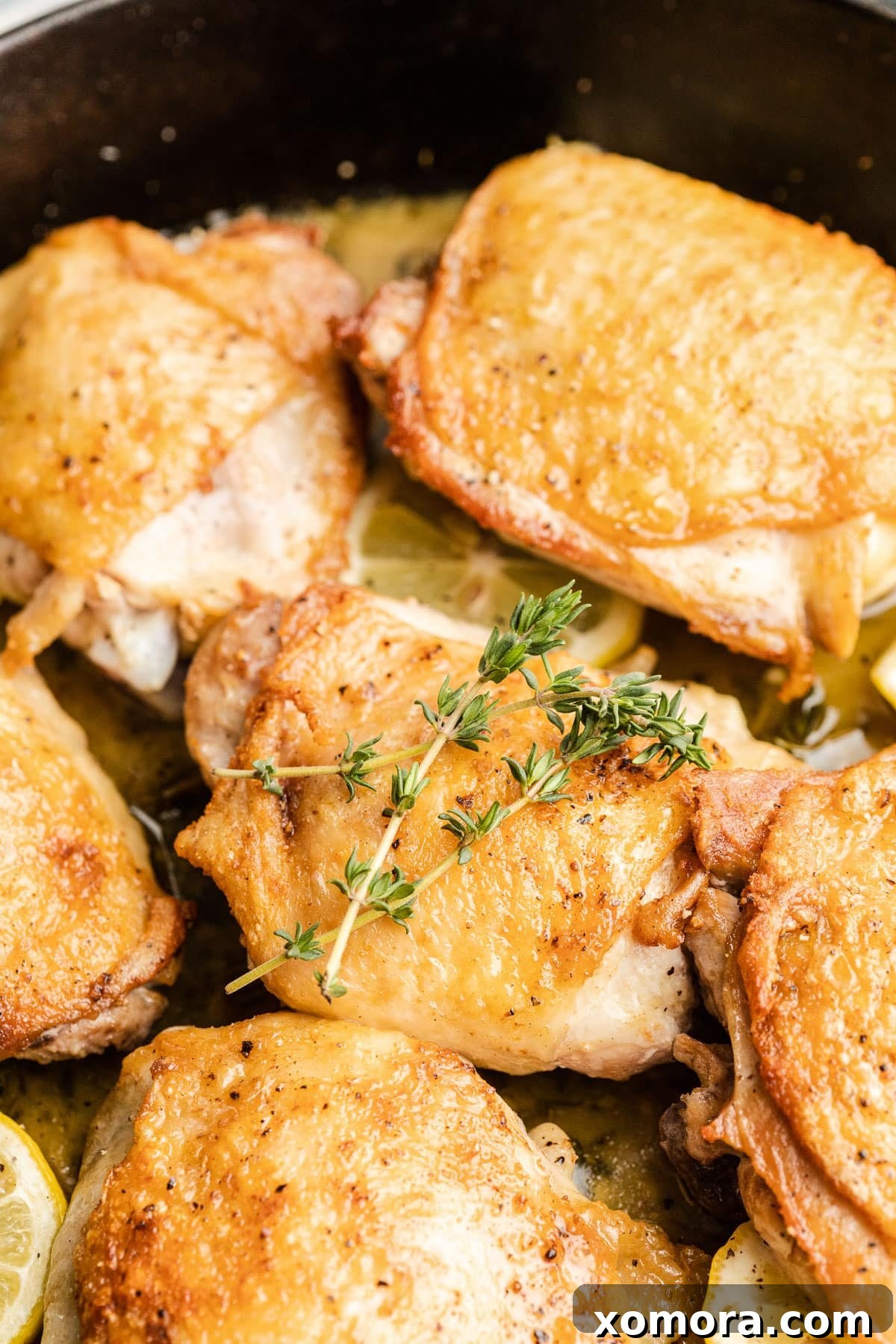
The magic of these baked lemon herb chicken thighs lies in a carefully selected blend of fresh, aromatic ingredients that create a harmonious and unforgettable taste. Each component plays a vital role in building the dish’s irresistible profile:
- Chicken Thighs: The foundation of our dish. Whether bone-in, skin-on for maximum flavor, or boneless, skinless for convenience, aim for high-quality thighs. About 6 medium-sized thighs serve 6 people generously.
- Extra Virgin Olive Oil: More than just a cooking fat, olive oil is crucial for achieving that beautiful golden-brown sear on your chicken, which locks in flavor and creates a desirable texture. A good quality extra virgin olive oil also contributes a subtle, peppery note to the overall dish.
- Minced Garlic: The backbone of countless savory dishes, garlic’s pungent and sweet notes are a match made in heaven with zesty lemon. Freshly minced garlic offers the most vibrant flavor, but for quick prep, a jarred variety can be used. Ensure it’s finely minced to distribute its essence evenly.
- Fresh Lemon Juice + Whole Lemon: Lemon is the undisputed star here. Freshly squeezed lemon juice not only adds a bright, tangy acidity that cuts through the richness of the chicken but also acts as a tenderizer. Including slices of a whole lemon directly in the skillet allows their natural oils and juices to release during baking, permeating the chicken with an intoxicating citrus aroma and taste that is truly irresistible.
- Fresh Herbs (Rosemary, Oregano, Thyme): This aromatic trio brings an earthy, peppery, and subtly floral dimension to the chicken. Fresh rosemary offers piney notes, oregano provides a bold, slightly bitter edge, and thyme adds a delicate, earthy sweetness. Using fresh herbs is paramount for their vibrant character, which truly elevates the dish.
- Salt and Pepper: The fundamental seasonings. A generous application of coarse sea salt and freshly ground black pepper is all that’s needed to enhance the natural flavors of the chicken and the accompanying aromatics. Don’t underestimate their power to bring everything into perfect balance.
Fresh vs. Dried Herbs: A Guide to Substitution
For this Baked Lemon Herb Chicken Thighs recipe, the use of fresh herbs is highly encouraged. Fresh rosemary, oregano, and thyme contribute a bright, lively aroma and a nuanced flavor that truly sings with the lemon and garlic. Their vibrant essence can significantly impact the final taste and presentation of your dish.
However, if fresh herbs are not accessible, dried herbs can serve as a suitable substitute. It’s important to note that dried herbs are considerably more concentrated in flavor than fresh ones due to the dehydration process that intensifies their essential oils. Therefore, a direct one-to-one substitution will result in an overpowering herbal taste.
The general rule of thumb for substituting dried herbs for fresh is to use approximately **one-third (1/3)** of the amount called for in the recipe. For instance, if this recipe specifies 1 tablespoon of fresh rosemary, you should use 1 teaspoon of dried rosemary. Apply this same conversion ratio to both oregano and any other dried herbs you opt to use. While dried herbs will still infuse your chicken with flavor, anticipate a slightly different aromatic profile – one that is perhaps deeper and more earthy, but less bright and herbaceous than that achieved with fresh ingredients. If possible, consider splurging on fresh herbs for this particular dish; the difference in the final product is often well worth the effort.
The Path to Perfection: Searing and Baking Techniques
To achieve chicken thighs that are golden on the outside and incredibly juicy on the inside, we employ a two-stage cooking method: an initial sear on the stovetop followed by a finish in the oven. This technique ensures optimal texture and flavor development.
Baking Bone-in, Skin-on Chicken Thighs
When working with bone-in, skin-on chicken thighs, follow these cooking times:
- Initial Stovetop Sear: Begin by searing the chicken thighs in a hot, oven-safe skillet (a cast iron skillet is ideal for even heat distribution and retention) over medium-high heat. Sear for a total of 8 to 10 minutes, ensuring each side (especially the skin side) develops a deep, golden-brown crust. This critical step builds layers of flavor and renders the skin wonderfully crispy. Remember, the goal here is browning, not cooking the chicken all the way through.
- Oven Baking: After searing, transfer the skillet directly to a preheated oven. Bone-in chicken thighs typically require an additional **20 minutes** of baking to reach the safe internal temperature and cook through completely.
Baking Boneless, Skinless Chicken Thighs
Boneless, skinless chicken thighs, lacking the bone and protective skin, will cook more quickly. Adjust your times accordingly:
- Initial Stovetop Sear: Just like their bone-in counterparts, start with a robust sear on the stovetop for a total of 8 to 10 minutes. This creates a beautiful crust and enhances flavor.
- Oven Baking: Once seared, boneless thighs will generally need less time in the oven, around **15 minutes**. To prevent overcooking and ensure maximum juiciness, it’s wise to start checking their internal temperature a few minutes earlier, around the 12-minute mark.
Ensuring Doneness: The Crucial Internal Temperature
For both safety and culinary perfection, all chicken, regardless of the cut, must reach a specific internal temperature. Chicken thighs are no exception. They should be cooked until they register an internal temperature of **165°F (74°C)**. This measurement should be taken using a reliable meat thermometer inserted into the thickest part of the thigh, making sure to avoid touching any bone, which can give a false reading.
A meat thermometer is an indispensable tool in any kitchen, especially when cooking poultry. It removes all guesswork, guaranteeing that your chicken is not only safe to consume but also perfectly cooked – juicy and tender, never dry or undercooked. Once the chicken reaches 165°F, remove it from the oven and allow it to rest for at least 5 to 10 minutes before slicing and serving. This resting period is vital; it allows the muscle fibers to relax and the internal juices to redistribute evenly throughout the meat, resulting in an even more tender and moist bite. Patience during this brief resting period is always rewarded with superior results.

Maximizing Enjoyment: Storing and Reheating Leftovers
One of the many benefits of this baked lemon herb chicken thighs recipe is that the leftovers are just as delightful as the fresh meal. Proper storage and reheating techniques will ensure your extra portions maintain their delicious flavor and texture.
Refrigerator Storage
Once your baked chicken thighs have cooled to room temperature, transfer them to an airtight container. They will keep beautifully in the refrigerator for **3 to 4 days**. These make for fantastic meal prep options, whether you’re adding them to salads, sandwiches, or simply reheating them for another quick and easy dinner.
Freezer Storage
For longer-term storage, cooked chicken thighs freeze exceptionally well. Place them in a freezer-safe container or heavy-duty freezer bags, ensuring to remove as much air as possible to prevent freezer burn. Properly stored, they can last in the freezer for up to **4 months**. When ready to use, simply thaw them overnight in the refrigerator before proceeding with reheating.
Best Reheating Practices
While a microwave offers speed, for the best quality, especially if you have skin-on thighs you want to re-crisp, consider reheating your chicken in the oven or an air fryer. Gently warm them at a moderate temperature (around 300-325°F or 150-160°C) until heated through, which usually takes 10-15 minutes, depending on the thickness of the chicken. This method helps prevent the chicken from becoming rubbery and can revive that desirable crispy skin.
Serving Suggestions: Perfect Pairings for Your Lemon Herb Chicken Thighs
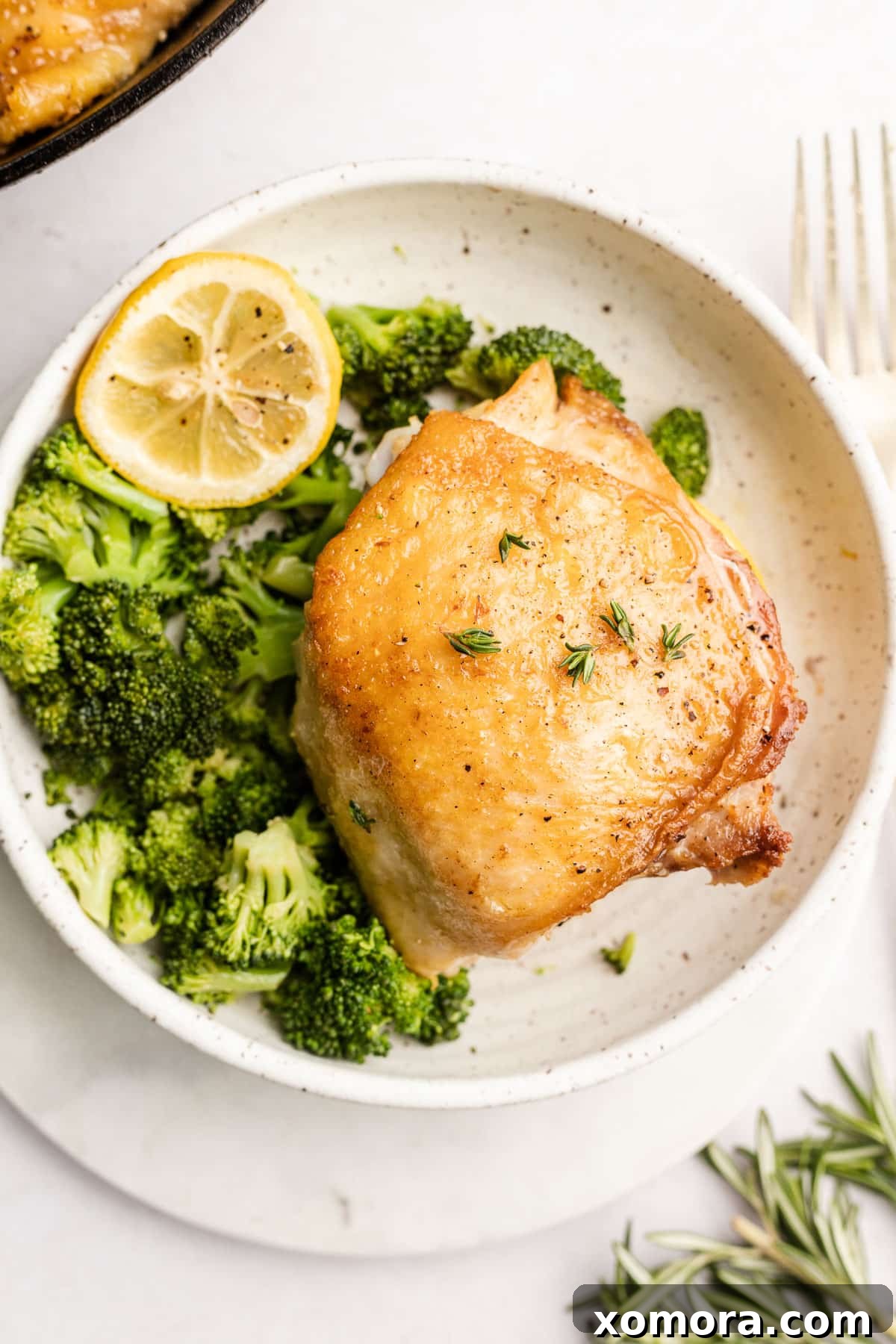
These fragrant and flavorful lemon herb chicken thighs are incredibly versatile, making them a fantastic centerpiece for a wide array of meals. They pair beautifully with various side dishes, whether you’re planning a simple family dinner or hosting a more elaborate gathering. Here are some inspired accompaniments to complete your meal:
- Comforting Potatoes: The bright, zesty notes of the chicken are wonderfully balanced by the rich, comforting texture of potatoes. Classic Light & Creamy Mashed Potatoes offer a smooth, velvety contrast, while Rosemary Garlic Smashed Potatoes provide an extra layer of herbal flavor and a delightful crispy edge. Roasted baby potatoes tossed with a touch of olive oil and herbs would also be superb.
- Vibrant Green Vegetables: To add freshness, color, and essential nutrients, serve your chicken alongside crisp green vegetables. Garlic Green Beans are a simple yet elegant choice that complements the chicken without overpowering it. For a heartier vegetable side, consider Herb Roasted Brussels Sprouts & Broccoli, which offer a slight bitterness and char that beautifully balances the richness of the chicken. Alternatively, quick Sautéed Broccoli is always a reliable and healthy option.
- Hearty Grains: For a more substantial and satisfying meal, consider pairing the chicken with a light grain-based side. Fluffy quinoa, pearled couscous, or a simple lemon-herb rice pilaf would be excellent choices, capable of soaking up any delicious pan juices from the chicken.
- Fresh Salads: A crisp, refreshing salad can be the perfect counterpoint to the savory chicken. A simple mixed green salad with a light vinaigrette, or even a Greek-inspired salad with feta and olives, would complement the Mediterranean flavors beautifully.
Feel free to experiment with your personal favorites; the robust yet adaptable flavor profile of these lemon herb chicken thighs means they’re likely to shine alongside almost any side you choose!
Explore More Delicious Chicken Recipes from Our Kitchen:
If you’ve fallen in love with the bright and aromatic flavors of these Lemon Herb Chicken Thighs, we invite you to discover more of our beloved chicken creations:
Oregano Lemon Chicken and Potatoes
Lemon Herb Grilled Chicken
Orange Herb Roasted Chicken with Potatoes
Sheet Pan Lemon Chicken Dinner
Lemon Herb Roasted Chicken

Baked Lemon Herb Chicken Thighs
Ingredients
- 6 chicken thighs, bone-in skin on or boneless skinless (about 2-2.5 lbs total)
- Salt and freshly ground black pepper, to taste
- 1 tablespoon extra virgin olive oil
- 1 tablespoon minced garlic (about 3-4 cloves)
- ¼ cup fresh lemon juice (from 1-2 lemons)
- 1 tablespoon fresh rosemary, chopped (or 1 teaspoon dried rosemary)
- 1 tablespoon fresh oregano, chopped (or 1 teaspoon dried oregano)
- A few fresh thyme sprigs
- 1 whole lemon, thoroughly washed and sliced into thick chunks or wedges
Instructions
- Preheat Oven: Preheat your oven to 425°F (220°C).
- Prepare Chicken: Pat the chicken thighs thoroughly dry with paper towels. This step is crucial for achieving a crispy skin. Generously season both sides of the chicken with salt and freshly ground black pepper.
- Sear Chicken: Heat the extra virgin olive oil in a large, heavy-bottomed, oven-safe skillet (preferably cast iron) over medium-high heat on your stovetop. Once the oil is shimmering, carefully add the seasoned chicken thighs to the skillet, skin-side down (if using skinless, either side is fine). Sear for 4 to 5 minutes without moving, until the skin is beautifully crispy and a deep golden-brown. Flip the chicken and sear the other side for another 4-5 minutes. The chicken will not be fully cooked at this stage; we are primarily aiming for excellent browning and flavor development.
- Sauté Garlic: Remove the seared chicken from the skillet and set it aside on a plate. Reduce the stovetop heat to medium. Add the minced garlic to the skillet and sauté for about 1 minute, stirring constantly, until it becomes fragrant and lightly golden. Be careful not to burn the garlic, as it can turn bitter.
- Add Aromatics and Return Chicken: Pour the fresh lemon juice into the skillet, scraping up any delicious browned bits from the bottom of the pan with a wooden spoon – this is called deglazing and adds incredible depth to your sauce. Stir in the chopped fresh rosemary and oregano, then add the fresh thyme sprigs and the lemon chunks. Return the seared chicken thighs to the skillet, nestling them gently among the herbs and lemon slices.
- Bake Bone-in Thighs: If using bone-in, skin-on chicken thighs, transfer the skillet directly to the preheated oven. Bake for approximately 20 minutes, or until the internal temperature of the thickest part of the chicken reaches 165°F (74°C) when measured with a meat thermometer.
- Bake Boneless Thighs: If using boneless, skinless chicken thighs, transfer the skillet to the preheated oven. Bake for about 15 minutes. Boneless thighs cook faster, so begin checking for doneness around the 12-minute mark to avoid overcooking. Ensure the internal temperature reaches 165°F (74°C).
- Rest and Serve: Once the chicken is cooked through, carefully remove the skillet from the oven. Allow the chicken to rest in the skillet for 5 minutes before serving. This crucial resting period allows the juices to redistribute throughout the meat, resulting in maximum tenderness and flavor. Serve hot with your favorite side dishes.
Notes
The nutrition information provided is an approximation calculated based on the use of bone-in, skin-on chicken thighs. Actual nutritional values may vary slightly depending on the specific size, cut, and fat content of the chicken used, as well as any slight variations in ingredient measurements.
Nutrition Information (Approximate Per Serving)
Calories: 349 kcal
Carbohydrates: 4 g
Protein: 24 g
Fat: 26 g
Saturated Fat: 7 g
Polyunsaturated Fat: 5 g
Monounsaturated Fat: 12 g
Trans Fat: 0.1 g
Cholesterol: 142 mg
Sodium: 112 mg
Potassium: 350 mg
Fiber: 1 g
Sugar: 1 g
Vitamin A: 141 IU
Vitamin C: 14 mg
Calcium: 34 mg
Iron: 1 mg
Please note that nutrition information is automatically calculated and should be considered an approximation. Actual values may vary based on ingredients and preparation methods.
Loved this recipe? We’d be thrilled to hear your thoughts! Please feel free to leave a comment below and share your experience.