
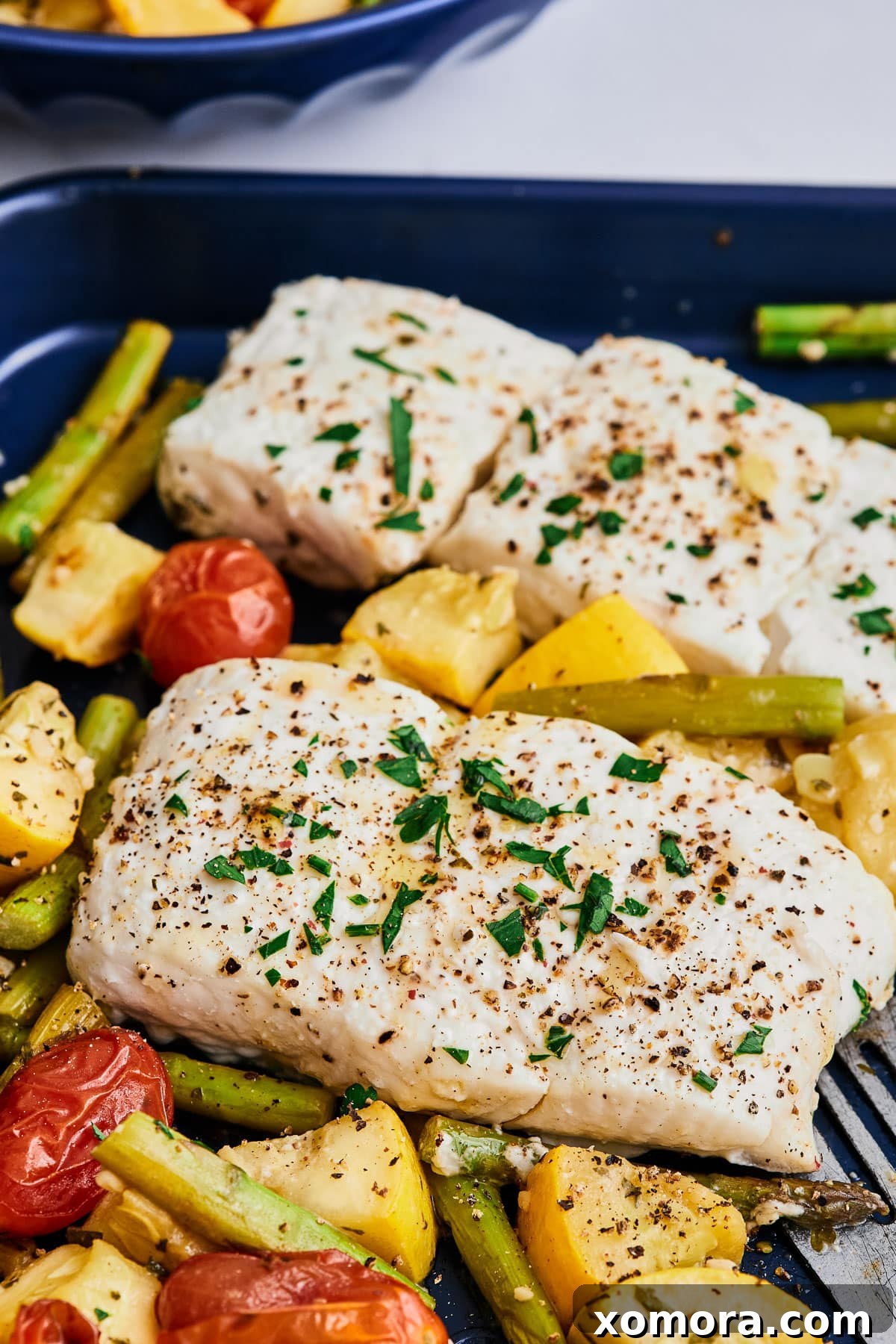
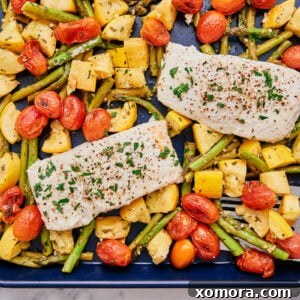
Welcome to your new favorite weeknight meal! This Easy Baked Halibut with Vegetables recipe combines succulent, flaky halibut with vibrant, summery vegetables, all cooked together on a single sheet pan. It’s a light, healthy, and incredibly flavorful dish that’s ready in approximately 30 minutes, making it perfect for busy evenings yet elegant enough for special occasions. Say goodbye to complicated cooking and hello to effortless gourmet dining right in your own kitchen.
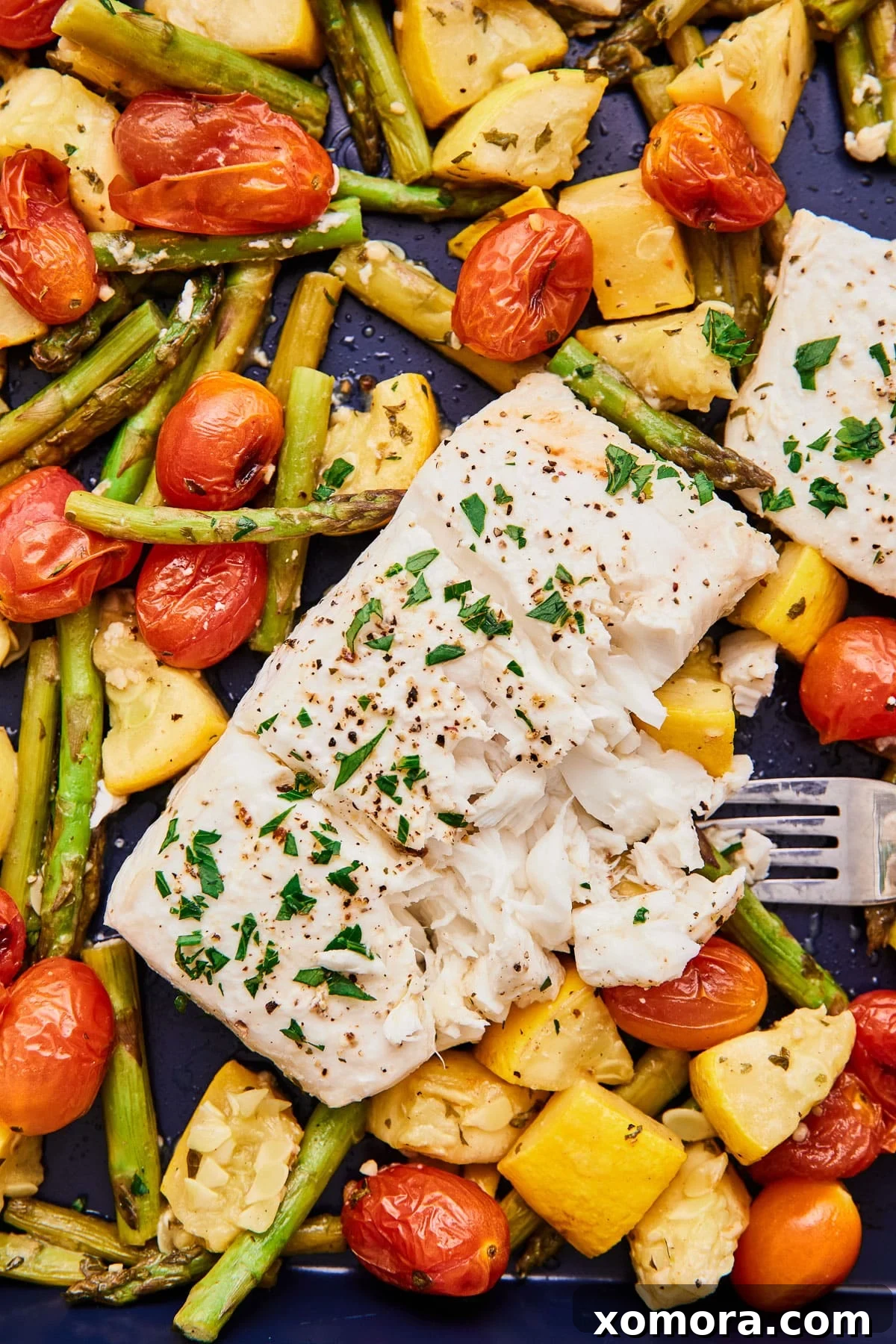
Update: This recipe was originally published in 2022 and has been refreshed with new photos and expanded content to enhance your cooking experience.
Many people express a love for seafood but often feel intimidated by the idea of cooking it at home. If you’ve ever felt this way, rest assured, this baked halibut recipe is truly foolproof. It’s designed to be straightforward, ensuring a delicious and perfectly cooked result every time. You’ll be amazed at how easily you can create a restaurant-quality meal that’s both impressive and incredibly satisfying, all while saving money and enjoying the comfort of your own home.
This delightful dish features tender halibut, sweet yellow squash, crisp asparagus, and juicy cherry tomatoes, all roasted together to perfection. A simple yet incredibly flavorful maple mustard dressing ties all the elements together, infusing the ingredients with a touch of sweetness and a tangy kick. The result is a harmonious blend of textures and tastes that highlights the natural goodness of each component.
Imagine perfectly cooked, flaky fish paired with a medley of tender, caramelized summery vegetables. This isn’t just a meal; it’s a celebration of simple, wholesome ingredients coming together to create something truly extraordinary. It’s a testament to the idea that healthy eating can be both easy and utterly delicious.
This versatile recipe can be adapted to suit various dietary preferences. For a low-carb option, enjoy the fish and vegetables as is, perhaps alongside a fresh green salad. If you’re looking to make the meal heartier and more substantial, simply plate the baked halibut and vegetables with a side of fluffy brown rice, quinoa, or crispy roasted potatoes. No matter how you choose to serve it, this dish promises a wholesome and satisfying experience.
Why You’ll Fall in Love with This Easy Baked Halibut Recipe
This recipe isn’t just easy; it’s a game-changer for anyone looking to incorporate more healthy, delicious seafood into their diet. Here’s why it will quickly become a staple in your culinary repertoire:
- Effortless Sheet Pan Convenience: Everything cooks on a single baking sheet, minimizing cleanup and maximizing flavor. It’s the ultimate solution for busy weeknights when you want a home-cooked meal without the fuss.
- Wholesome & Nutrient-Rich: Packed with lean protein from the halibut and an abundance of vitamins and fiber from the fresh vegetables, this meal is a powerhouse of nutrition. It supports a healthy lifestyle without compromising on taste.
- Mild, Flaky Halibut Perfection: Halibut is a fantastic choice for those new to cooking fish, or for anyone who prefers a mild, non-fishy flavor. It bakes up beautifully, yielding tender, flaky fillets every time.
- Vibrant Summery Flavors: The combination of yellow squash, asparagus, and cherry tomatoes provides a delightful array of textures and naturally sweet, earthy notes that sing of summer.
- Simple Yet Sophisticated Dressing: The maple mustard dressing is incredibly easy to whisk together but adds a complex layer of sweet, tangy, and savory flavors that elevate the entire dish.
- Customizable for Any Diet: Easily adaptable to low-carb, gluten-free, or heartier meal preferences, making it a versatile option for any table.
Get ready to impress yourself and your loved ones with a meal that’s as good for you as it is delicious!
Dive into the Delicious Ingredients: What You’ll Need
One of the beauties of this recipe lies in its use of fresh, simple ingredients that come together to create a remarkable flavor profile. Here’s a closer look at what makes this dish so special:
The Star: Halibut Fillets
- Halibut: As a prized white fish, halibut is celebrated for its mild, slightly sweet flavor and firm, yet wonderfully flaky texture. It’s an excellent source of lean protein, rich in Omega-3 fatty acids, and remarkably low in fat, making it a fantastic choice for a healthy diet. You can use either fresh or frozen halibut fillets. If opting for frozen, ensure they are thoroughly thawed before baking to ensure even cooking and optimal texture. Look for fillets that are bright white and have a clean, fresh scent.
Summery Vegetable Medley
- Yellow Squash: This tender vegetable softens beautifully as it roasts, absorbing the flavors of the dressing and becoming delightfully sweet. Its mild taste pairs perfectly with the halibut. Zucchini can be used as a direct substitute if you prefer. When selecting, choose squash that is firm, blemish-free, and has a vibrant yellow color.
- Asparagus: A classic spring and summer vegetable, asparagus adds a lovely snap and earthy flavor. For the best results, select spears that are bright green, firm, and medium in size. Avoid stalks that appear limp or have opened tips, as these indicate they are past their prime. Trimming the woody ends is crucial for tender bites.
- Grape or Cherry Tomatoes: These small, sweet tomatoes are ideal for roasting. As they cook, their skins will gently burst, releasing their juicy, concentrated flavor and creating little pockets of sweetness that complement the savory fish and other vegetables. Grape tomatoes are often preferred for sheet pan meals due to their consistent size with other ingredients, but cherry tomatoes work equally well.
The Flavorful Maple Mustard Dressing
This simple yet dynamic dressing is the secret to this recipe’s irresistible taste:
- Olive Oil: Essential for coating the vegetables and fish, olive oil helps them tenderize, caramelize, and achieve that beautiful golden-brown finish while roasting. It also provides healthy monounsaturated fats.
- Maple Syrup: A touch of pure maple syrup adds a natural, subtle sweetness that balances the tang of the mustard and enhances the overall flavor of the dish, creating a delightful sweet-savory dynamic.
- Dijon Mustard: Known for its slightly sharp, tangy, and subtly spicy flavor, Dijon mustard (made from brown or black mustard seeds and white wine) provides a wonderful counterpoint to the maple syrup, adding depth and zest to the dressing. It’s more complex than yellow mustard.
- Sesame Oil: Just a small amount of sesame oil contributes a rich, nutty, and distinctly aromatic flavor that adds an extra layer of gourmet appeal. It’s a powerful ingredient, so a little goes a long way.
- Garlic: Minced garlic delivers its characteristic pungent and aromatic kick, infusing the entire dish with irresistible savory notes. Freshly minced garlic is always best, but good quality jarred minced garlic can be used for convenience.
Essential Seasonings
- Dried Parsley or Basil: These dried herbs provide a fresh, aromatic finish. Parsley offers a clean, slightly peppery note, while basil lends a sweet, peppery, and minty undertone. Feel free to use fresh herbs as a garnish when serving for an extra pop of flavor and color.
- Salt and Black Pepper: The foundational seasonings that enhance all the natural flavors of the halibut and vegetables. Adjust to your personal taste.
Step-by-Step Guide: How to Make Baked Halibut with Vegetables
This recipe is designed for ease and efficiency, making it perfect for any cook. Follow these simple steps for a delicious meal:
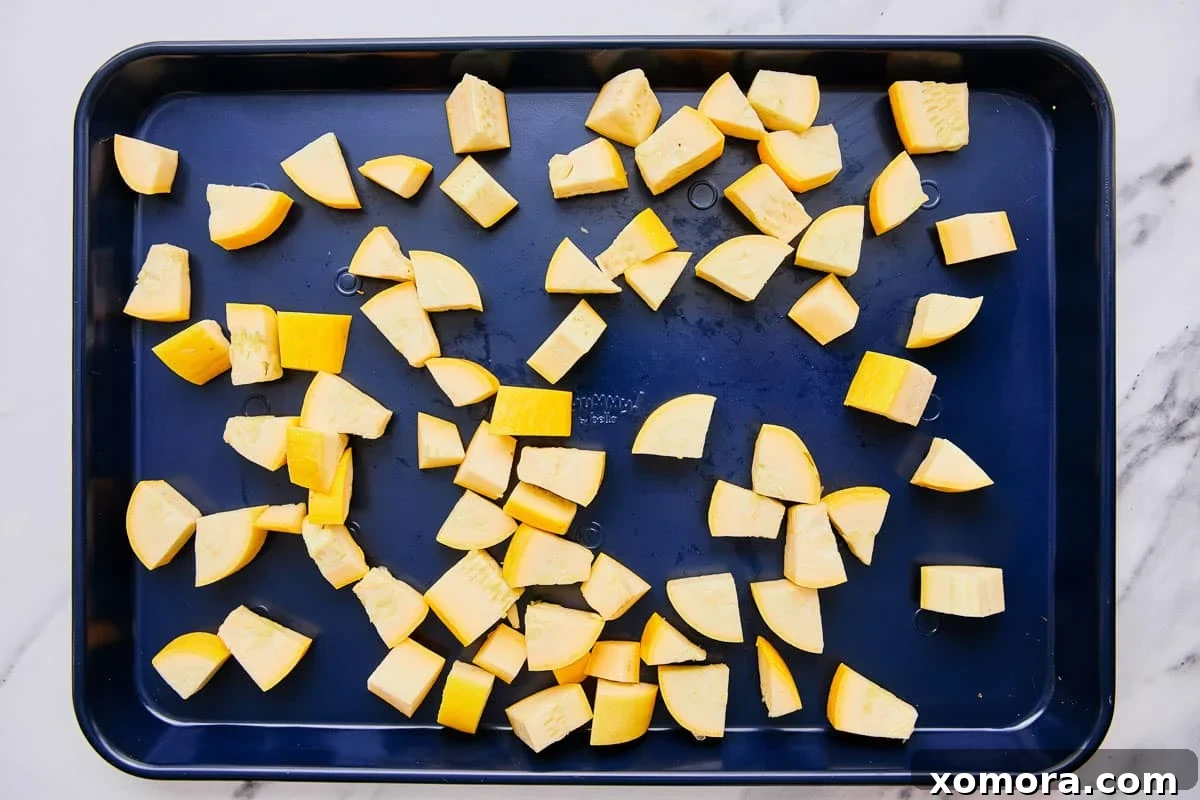
- Prepare the Squash: Begin by preheating your oven to 400°F (200°C). Line a large baking sheet with parchment paper for easy cleanup. Spread the diced yellow squash evenly on the baking sheet. Drizzle it with 1 tablespoon of olive oil, then toss to coat. Bake for 10 minutes to give the squash a head start, as it requires slightly more cooking time than the other vegetables.
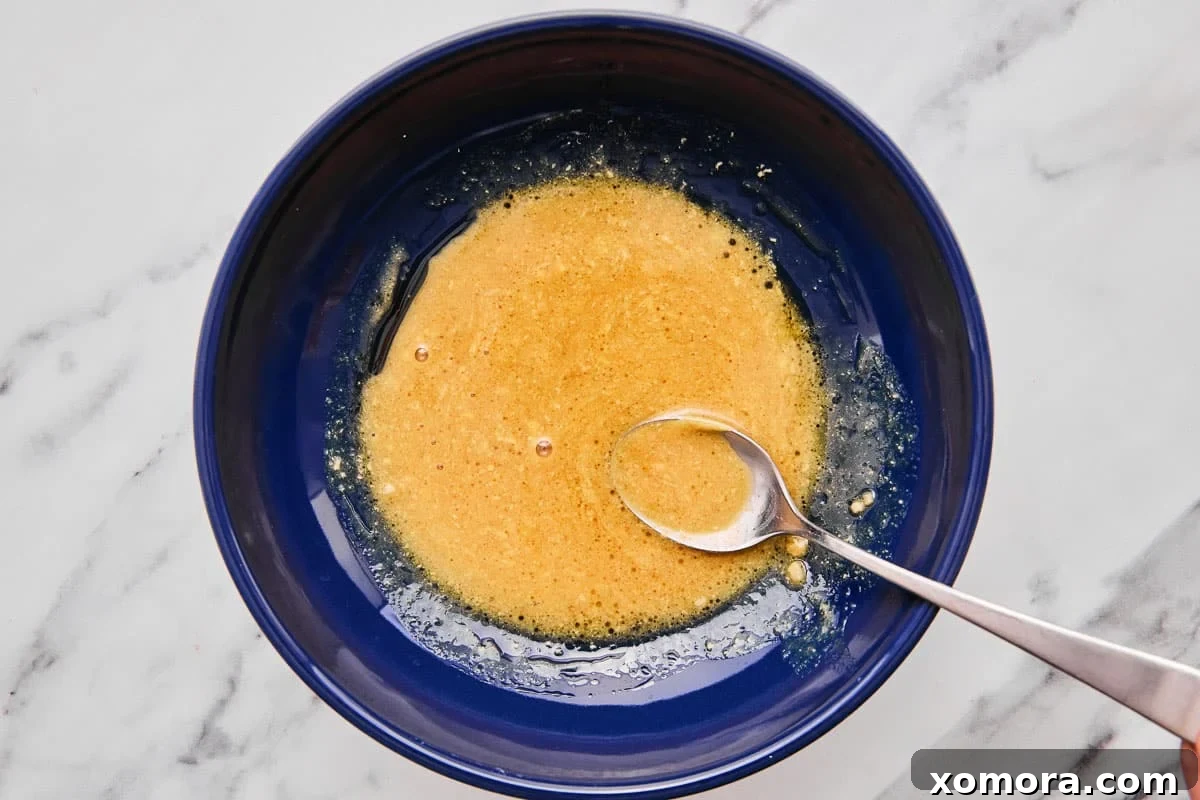
- Whisk the Dressing: While the squash bakes, prepare the irresistible maple mustard dressing. In a small bowl, combine the Dijon mustard, pure maple syrup, sesame oil, and minced garlic. Stir well until all ingredients are thoroughly combined and smooth.
- Combine Remaining Veggies and Halibut: After the squash has baked for 10 minutes, carefully remove the baking sheet from the oven. Add the trimmed asparagus and grape or cherry tomatoes to the sheet pan alongside the partially cooked squash.
- Dress and Season: Drizzle the remaining 1 tablespoon of olive oil over the fresh vegetables. Next, pour the prepared maple mustard dressing evenly over all the vegetables. Season generously with dried parsley or basil, salt, and black pepper. Gently toss the vegetables to ensure they are well coated with the oil and dressing.
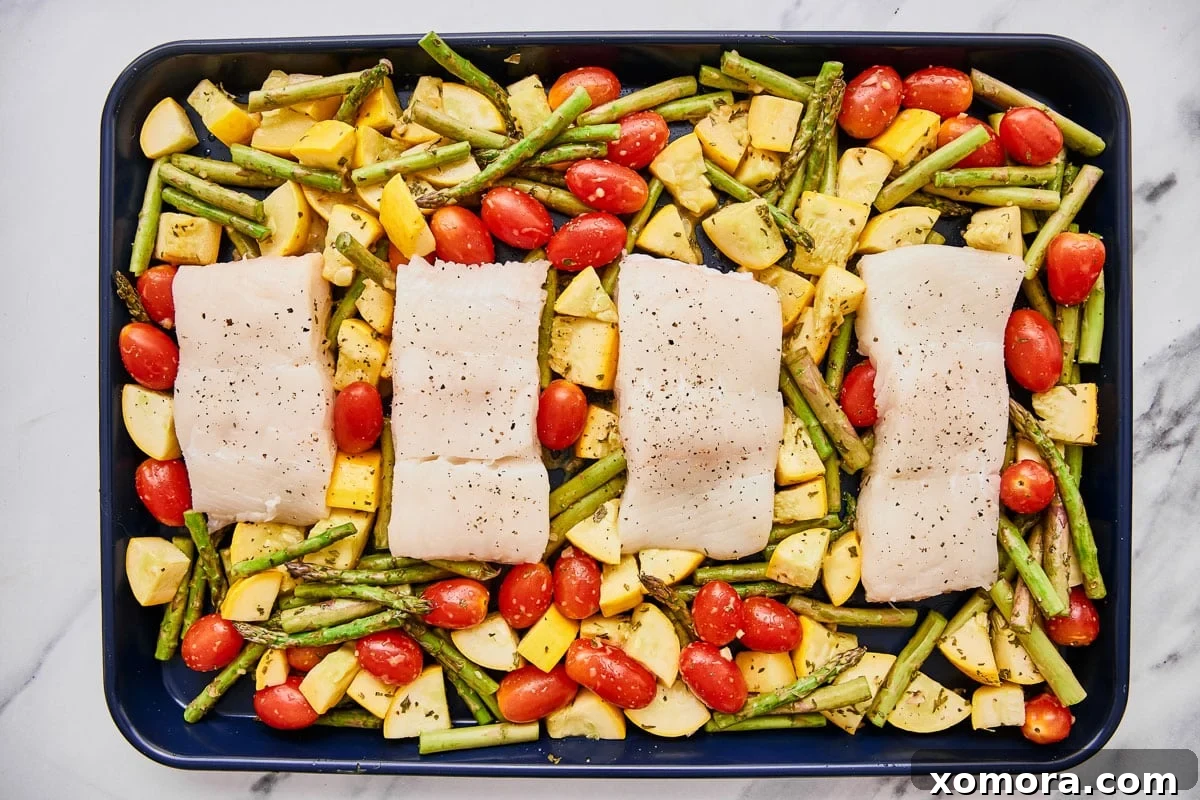
- Add Halibut and Final Bake: Create four clear spaces on the baking sheet for your halibut fillets. Place the halibut fillets directly onto the parchment paper. Season the top of each halibut fillet with a pinch of salt and pepper.
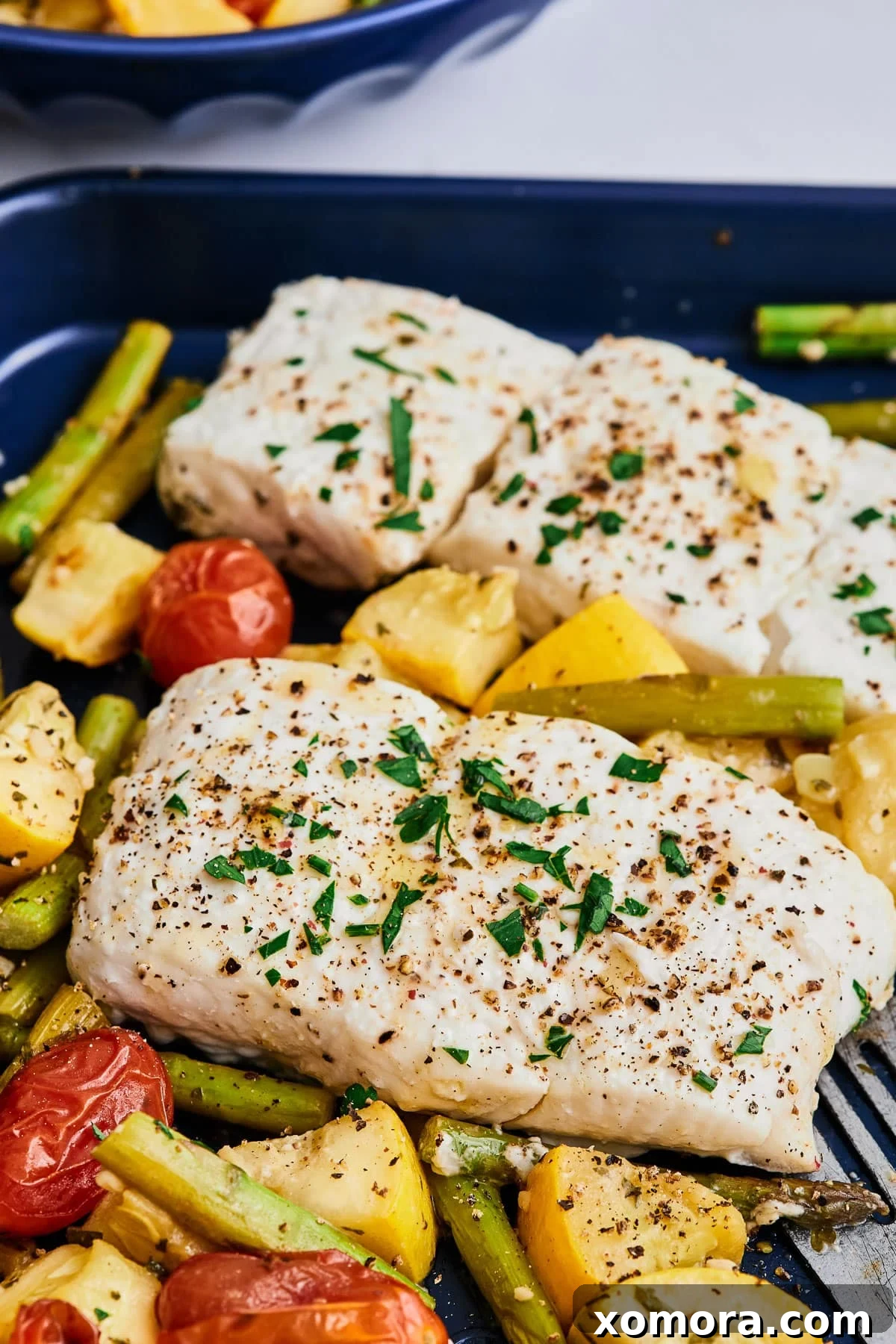
- Roast to Perfection: Return the baking sheet to the preheated oven. Bake the vegetables and fish for an additional 15 to 20 minutes. The cooking time will vary slightly depending on the thickness of your halibut fillets. The fish is cooked when it flakes easily with a fork, and the squash is tender.
Expert Tips for the Best Baked Halibut
Achieving perfectly cooked halibut and tender-crisp vegetables is simple with a few helpful tips:
- Don’t Overcrowd the Pan: For optimal roasting, ensure your vegetables and fish have enough space on the baking sheet. If the pan is too crowded, the ingredients will steam instead of roast, leading to soggy results. Use two baking sheets if necessary to give everything room.
- Avoid Overcooking the Fish: Halibut cooks relatively quickly. Overcooked halibut can become dry and rubbery. Start checking for doneness around the 15-minute mark. The fish is perfectly cooked when it turns opaque throughout and flakes easily with a fork. The internal temperature should reach 145°F (63°C).
- Adjust Cook Times for Fillet Thickness: Thicker halibut fillets will require a longer cooking time, while thinner ones will cook faster. Keep an eye on your fish and adjust accordingly.
- Customise Your Vegetables: Feel free to experiment with other quick-cooking, seasonal vegetables. Broccoli florets, bell peppers, green beans, or snap peas would also be delicious additions or substitutions. Just be sure to cut them into similar-sized pieces for even cooking.
- Fresh Herbs for Garnish: While dried herbs are used in the cooking process, a sprinkle of fresh chopped parsley or basil just before serving can add a wonderful burst of fresh flavor and a beautiful visual appeal.
- Parchment Paper is Your Friend: Lining your baking sheet with parchment paper not only prevents sticking but also makes cleanup incredibly easy, which is a major bonus for any weeknight meal!
Frequently Asked Questions (FAQ)
Here are answers to some common questions about cooking halibut and this recipe:
What is Halibut and Why Choose It for Baking?
Halibut is a large flatfish found in both the Pacific and Atlantic oceans, highly regarded for its culinary qualities. It’s known as a “white fish” due to its lean, white flesh. Its flavor is remarkably mild and sweet, making it an excellent choice for those who might be hesitant about “fishy” tasting seafood. The firm texture of halibut stands up well to various cooking methods, including baking, grilling, and pan-searing. For baking, halibut is ideal because its thick fillets retain moisture beautifully, resulting in a tender, flaky outcome that’s never dry. It’s also a powerhouse of nutrition, packed with protein, selenium, niacin, and phosphorus.
Can You Use a Different Type of Fish in This Recipe?
Absolutely! This recipe is incredibly versatile and works wonderfully with other firm, white fish fillets. Excellent substitutes include:
- Cod: Similar in mild flavor and flaky texture.
- Mahi-Mahi: Offers a slightly firmer texture and a delicate, sweet flavor.
- Flounder or Tilapia: These are thinner fillets and will cook much faster, so reduce the baking time accordingly (likely 8-12 minutes).
- Salmon: While not a white fish, salmon is also a fantastic option for this sheet pan method. Its richer flavor pairs well with the maple mustard dressing.
When substituting, always consider the thickness of the fillet, as this will directly impact the cooking time.
How Do I Know When Halibut is Cooked Perfectly?
Knowing when your halibut is perfectly cooked is key to avoiding dry fish. The best way to tell is by testing it with a fork at its thickest part. When cooked, the flesh will turn opaque and easily flake apart. You can also use a meat thermometer inserted into the thickest part of the fillet; it should read 145°F (63°C). Remember that fish continues to cook slightly after being removed from the oven, so it’s better to undercook slightly than overcook.
Can I Prepare This Meal Ahead of Time?
While this meal is best enjoyed fresh from the oven, you can do some prep work in advance. You can chop all the vegetables and store them in an airtight container in the refrigerator for up to 2-3 days. The maple mustard dressing can also be whisked together and stored in a sealed jar in the fridge for up to 5 days. This will significantly cut down on your active cooking time on a busy night.
Storage and Reheating Baked Halibut
If you happen to have any leftovers of this delicious baked halibut and vegetable meal, they can be easily stored and enjoyed later:
- Refrigeration: Place any leftover halibut and vegetables in an airtight container and refrigerate for up to 3 days. It’s best to consume them within this timeframe to maintain freshness and quality.
- Freezing: For longer storage, this dish freezes surprisingly well. Allow the cooked meal to cool completely, then transfer it to a freezer-safe airtight container or heavy-duty freezer bag. It can be frozen for up to 4 months. Thaw overnight in the refrigerator before reheating.
- Reheating: To reheat, you can gently warm the leftovers in a microwave until heated through. For best results, especially with the fish, consider reheating in the oven at a lower temperature (around 275°F or 135°C) for 10-15 minutes, or until just warmed through. This helps prevent the fish from drying out. Avoid high heat when reheating fish.
Delicious Serving Suggestions
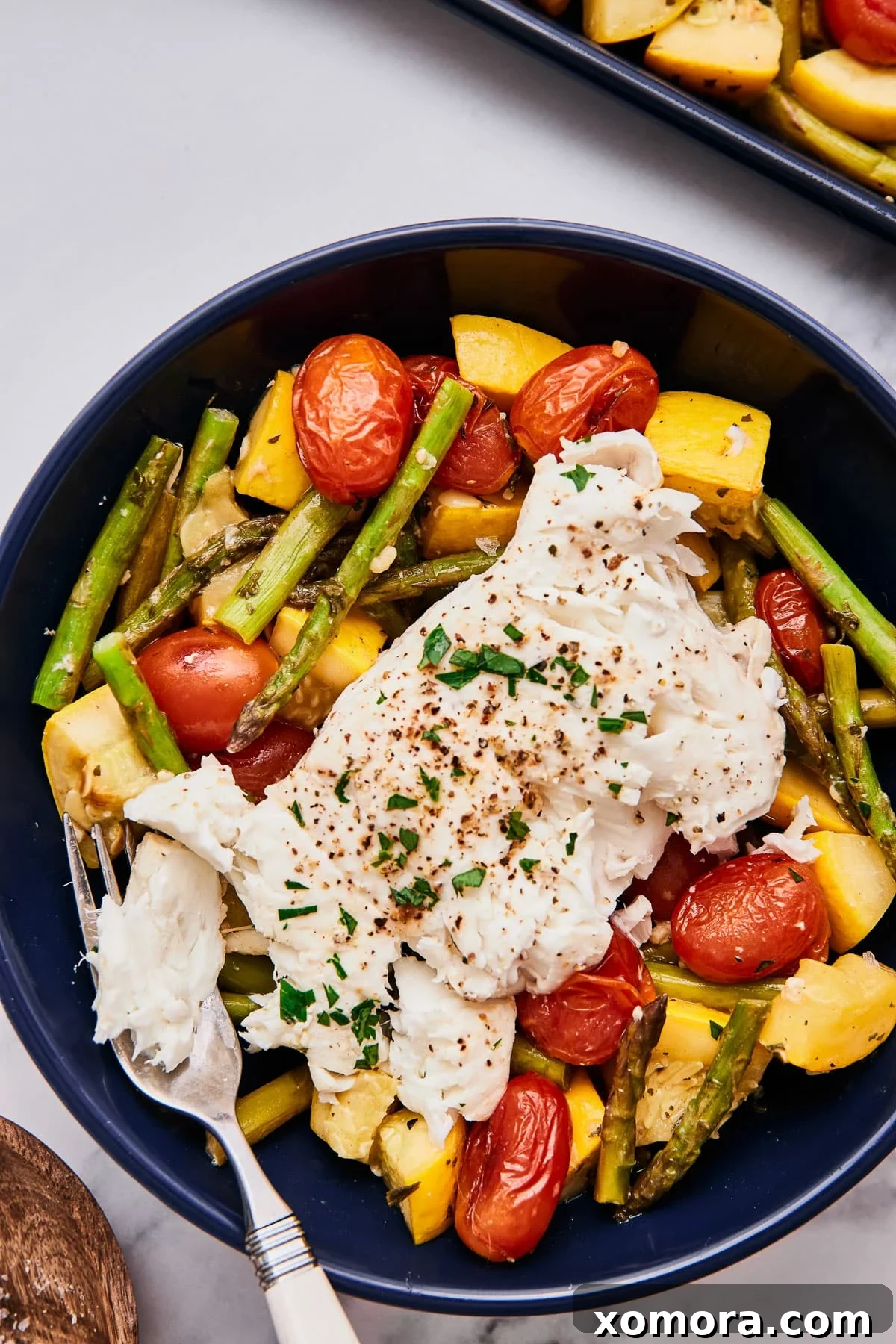
This baked halibut and vegetable meal is wonderfully satisfying on its own, but it also pairs beautifully with a variety of sides to complete your dinner:
- Low-Carb Option: To keep this meal light and low in carbohydrates, serve it with a crisp, simple side salad. A mixed green salad dressed with a vibrant vinaigrette, perhaps with a sprinkle of Parmesan cheese, would be a perfect complement. You can try a homemade Italian dressing for extra flavor.
- Heartier Sides: If you’re looking for a more substantial meal, consider pairing the halibut and vegetables with a wholesome grain or potato dish. Fluffy brown rice, quinoa, couscous, or my personal favorite, Baked Herb Potato Rounds, would absorb the delicious juices from the pan and make for a truly satisfying plate. Crusty bread is also fantastic for soaking up every last bit of that amazing dressing.
- Fresh Garnish: A final sprinkle of fresh parsley, dill, or chives adds a touch of brightness and elevates the presentation of the dish.
Explore More Healthy & Easy Seafood Recipes:
Pistachio Herb Crusted Salmon with Asparagus
Tomato Basil Cod with Broccoli
Sheet Pan Lemon Herb Salmon & Veggies
Pan Seared Chipotle Lime Salmon
Sautéed Lemon Butter Mahi Mahi
Easy Baked Halibut with Vegetables
Pin Recipe
Rate Recipe
Ingredients
Veggies
- 2 yellow squash, trimmed and diced
- 2 tablespoons olive oil, extra virgin
- 1 pound asparagus, trimmed and cut into 1-inch pieces
- 10 ounces grape or cherry tomatoes
- 1 teaspoon dried parsley or basil
- ¼ teaspoon salt
- ¼ teaspoon black pepper
Maple Mustard Dressing
- 2 tablespoons dijon mustard
- 2 tablespoons pure maple syrup
- 1 teaspoon sesame oil
- 1 teaspoon garlic, minced
Halibut
- 4 halibut fillets, 4 to 6 oz each
- salt and pepper to taste
Instructions
- Preheat oven to 400 degrees. Spread squash on a parchment paper lined baking sheet. Drizzle with 1 tablespoon of olive oil. Bake for 10 minutes.
- To create the dressing, add dijon mustard, maple syrup, sesame oil, and garlic to a small bowl. Stir to combine.
- Add the asparagus and tomatoes to the baking sheet with the partially cooked squash. Drizzle the remaining tablespoon of olive oil and maple mustard dressing over everything. Season with salt and pepper. Stir so the vegetables are well coated.
- Use a spatula to create four spaces for the halibut. Add the halibut to the baking sheet. Salt and pepper the top of the halibut. Bake the veggies and fish for 15 to 20 minutes or until halibut is cooked and squash is tender.
Nutrition
Nutrition information is automatically calculated, so should only be used as an approximation.
Like this? Leave a comment below!